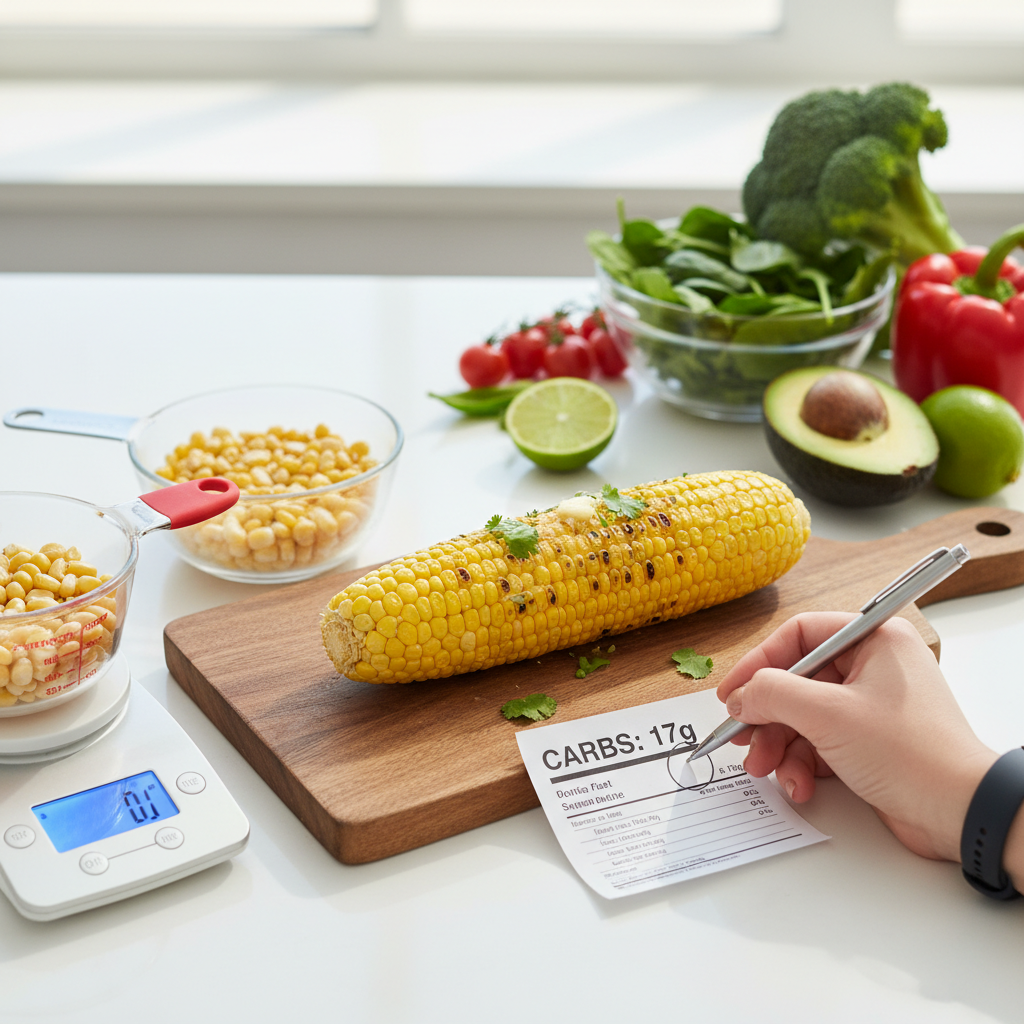

Corn on the cob is not considered keto-friendly due to its high carbohydrate content. While it may be a delicious summer treat, those following a ketogenic diet may want to avoid it. In this article, we’ll explore the carbohydrate values, alternatives, and how corn fits into a low-carb lifestyle, helping you navigate your dietary choices effectively.
Understanding the Keto Diet
The ketogenic diet focuses on significantly reducing carbohydrate intake to induce a metabolic state known as ketosis, where the body relies on fat for energy instead of glucose. Typically, individuals following a keto diet aim for a daily carbohydrate limit ranging from 20 to 50 grams, depending on their specific goals and body responses. Foods are categorized based on their carbohydrate content and glycemic index, with the latter indicating how quickly a food raises blood sugar levels. High-carb foods like grains, most fruits, and starchy vegetables are usually minimized or eliminated to maintain the necessary low-carb threshold.
Nutritional Breakdown of Corn on the Cob

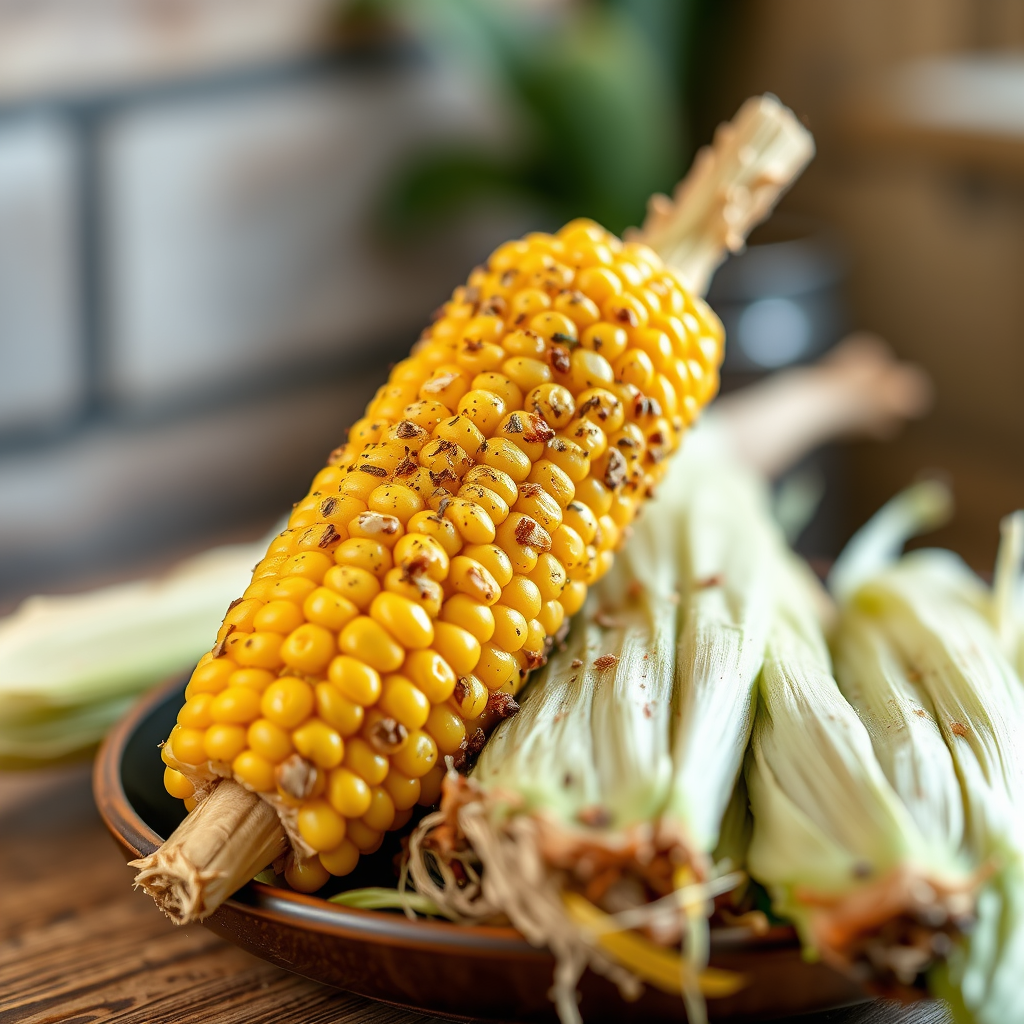
A medium ear of corn contains approximately 25 grams of carbohydrates, a significant amount when compared to other vegetables that are more compatible with a keto lifestyle. For instance, a cup of broccoli contains only about 6 grams of carbohydrates, while spinach has around 1 gram per cup. This stark contrast highlights why corn on the cob is often avoided by those adhering to a ketogenic diet.
Additionally, it’s important to consider fiber when calculating net carbs. Corn contains about 3 grams of fiber per ear, which means its net carbs would be approximately 22 grams. While some proponents of low-carb diets argue that fiber can be subtracted from total carb counts, it’s crucial to approach this calculation cautiously. For many, the impact of consuming high-carb foods like corn can still trigger insulin responses that could disrupt ketosis.
Alternatives to Corn on the Cob
Fortunately, there are several low-carb vegetable options that can serve as excellent substitutes for corn on the cob. Zucchini, for example, is versatile and can be grilled or spiralized as a pasta alternative, offering around 3 grams of carbs per cup. Cauliflower is another fantastic option, often used to create rice or mash, containing only about 5 grams of carbohydrates per cup.
If you’re craving the unique flavor of corn, consider using corn substitutes in recipes. For instance, roasted or grilled bell peppers can add a sweet, smoky flavor reminiscent of corn. When consuming higher-carb foods, it’s essential to practice portion control to maintain overall carb intake within your desired range.
Occasional Enjoyment: Moderation in a Keto Diet
The concept of “keto cheating” refers to indulging in higher-carb foods occasionally without derailing one’s overall dietary goals. For those who find it difficult to resist the allure of corn on the cob, moderation is key. Incorporating small portions of corn, perhaps as a topping for a salad or in a mixed dish, can allow for enjoyment without significantly impacting daily carb limits.
Pairing corn with high-fat foods—such as butter or cheese—can also help balance meals and promote satiety. This approach not only enhances flavor but can also mitigate the blood sugar spike that might accompany a higher-carb food.
Recipes Featuring Corn for Non-Keto Days
For those not strictly following a keto diet, corn can be a delightful addition to summer meals. Consider preparing a fresh corn salad with diced tomatoes, avocado, and a sprinkle of lime for a refreshing side dish. Grilled corn on the cob, brushed with herb-infused butter, is a classic summer favorite that highlights the sweetness of the corn.
Emphasizing the joy of seasonal eating, corn can be a vibrant part of a balanced diet during the warmer months. Healthy side dishes such as corn and black bean salsa or corn chowder can allow for the enjoyment of this vegetable without compromising overall nutrition.
The Role of Fiber in Corn
The fiber content in corn plays a significant role in digestion and overall gut health. Fiber is essential for maintaining a healthy digestive system, promoting regular bowel movements, and potentially lowering cholesterol levels. While some keto dieters may choose to subtract fiber from total carbohydrates when calculating net carbs, it’s essential to consider individual tolerance and how your body reacts to such foods.
In general, fiber-rich foods like corn can contribute to a balanced diet. However, for those strictly adhering to keto, the net carb count should still be closely monitored. Incorporating fiber-rich vegetables that are lower in carbs can help maintain digestive health while meeting dietary goals.
Final Thoughts on Corn and the Keto Diet
In summary, corn on the cob is high in carbohydrates and is not suitable for those strictly following a ketogenic diet. However, understanding its nutritional value can help you make informed choices that align with your dietary goals. There are plenty of low-carb alternatives and ways to incorporate corn in moderation if you desire. We encourage you to explore your options and share your experiences with corn on the keto diet, as this dialogue can provide valuable insights for others navigating similar dietary paths.
Eating corn on the cob may not align with a strict keto diet due to its carbohydrate levels. However, understanding its nutritional value and alternatives can help you maintain a low-carb lifestyle. For more tips and delicious recipes, stay tuned to our blog!
Frequently Asked Questions
Is corn on the cob keto-friendly?
Corn on the cob is generally not considered keto-friendly due to its relatively high carbohydrate content. A medium-sized ear of corn contains about 25 grams of carbohydrates, which can quickly exceed the daily carb limit for those following a ketogenic diet. If you are aiming for a strict keto lifestyle, it’s advisable to limit or avoid corn and opt for lower-carb vegetables like leafy greens or cauliflower instead.
How many carbs are in corn on the cob?
A medium ear of corn on the cob typically contains around 25 grams of carbohydrates, with about 3 grams of fiber. This means the net carbs would be approximately 22 grams, which is significant for anyone trying to maintain a state of ketosis. For comparison, most keto diets recommend keeping daily carb intake between 20 to 50 grams, making corn a less-than-ideal choice.
Why is corn on the cob not recommended for a ketogenic diet?
Corn on the cob is high in carbohydrates, which directly conflicts with the principles of a ketogenic diet that focuses on low carb intake to promote fat burning. High carb foods can raise blood sugar levels and hinder the body’s ability to enter or maintain ketosis. Hence, for those adhering to a strict keto regimen, it’s best to steer clear of corn altogether and choose vegetables that are lower in carbs.
What are some keto-friendly alternatives to corn on the cob?
If you’re looking for keto-friendly alternatives to corn on the cob, consider vegetables like zucchini, asparagus, or cauliflower. These options are lower in carbohydrates and can be grilled or roasted to achieve a delicious flavor profile similar to that of corn. Additionally, you can enjoy dishes like cauliflower rice or zucchini noodles to satisfy your cravings while staying within your keto guidelines.
Which cooking methods can I use for keto-friendly vegetables instead of corn on the cob?
There are several cooking methods you can use for keto-friendly vegetables, including grilling, roasting, steaming, or sautéing. For instance, grilling zucchini or asparagus with olive oil and spices can enhance their natural flavors while keeping the dish low in carbohydrates. Additionally, sautéing cauliflower rice with garlic and herbs makes for a versatile side dish that aligns well with keto dietary restrictions.
References
- Maize
- https://www.ncbi.nlm.nih.gov/pmc/articles/PMC6492270/
- https://www.healthline.com/nutrition/keto-diet-foods#vegetables
- https://www.medicalnewstoday.com/articles/healthy-vegetables-for-a-keto-diet
- USDA
- https://www.nutrition.gov/topics/whats-food/corn-nutrition-facts
- https://www.reuters.com/article/us-health-keto-diet-idUSKBN1W10ZB