

Cheesecake can be keto-friendly, depending on the ingredients used and the portion size. Many people on the ketogenic diet may fear giving up their favorite desserts, but with some adjustments to traditional recipes, cheesecake can fit seamlessly into a low-carb lifestyle. This article will delve into how classic cheesecake compares to keto principles and offer insights into modifications that make it a feasible dessert option for those adhering to a ketogenic diet.
Understanding the Keto Diet
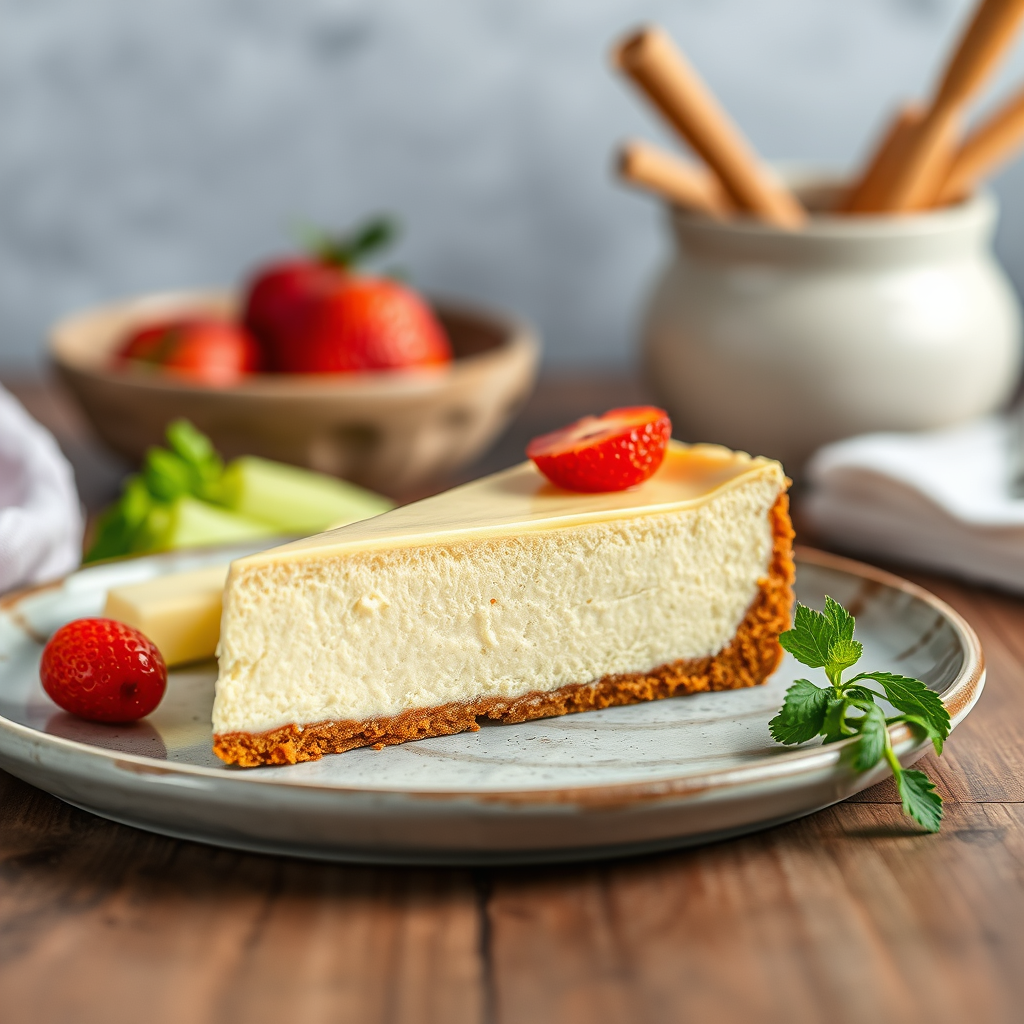
The ketogenic diet focuses on low carbohydrate intake and high fat consumption, primarily aiming to shift the body’s metabolism from burning glucose for energy to burning fat. This metabolic state, known as ketosis, occurs when carbohydrate intake is drastically reduced, typically to around 20-50 grams per day. In ketosis, the body becomes adept at utilizing fat as its primary energy source, which can lead to weight loss and other health benefits. To achieve and maintain ketosis, individuals must be vigilant about their food choices, making it crucial to consider how different foods, including desserts like cheesecake, fit into their daily macronutrient limits.
Traditional Cheesecake Ingredients
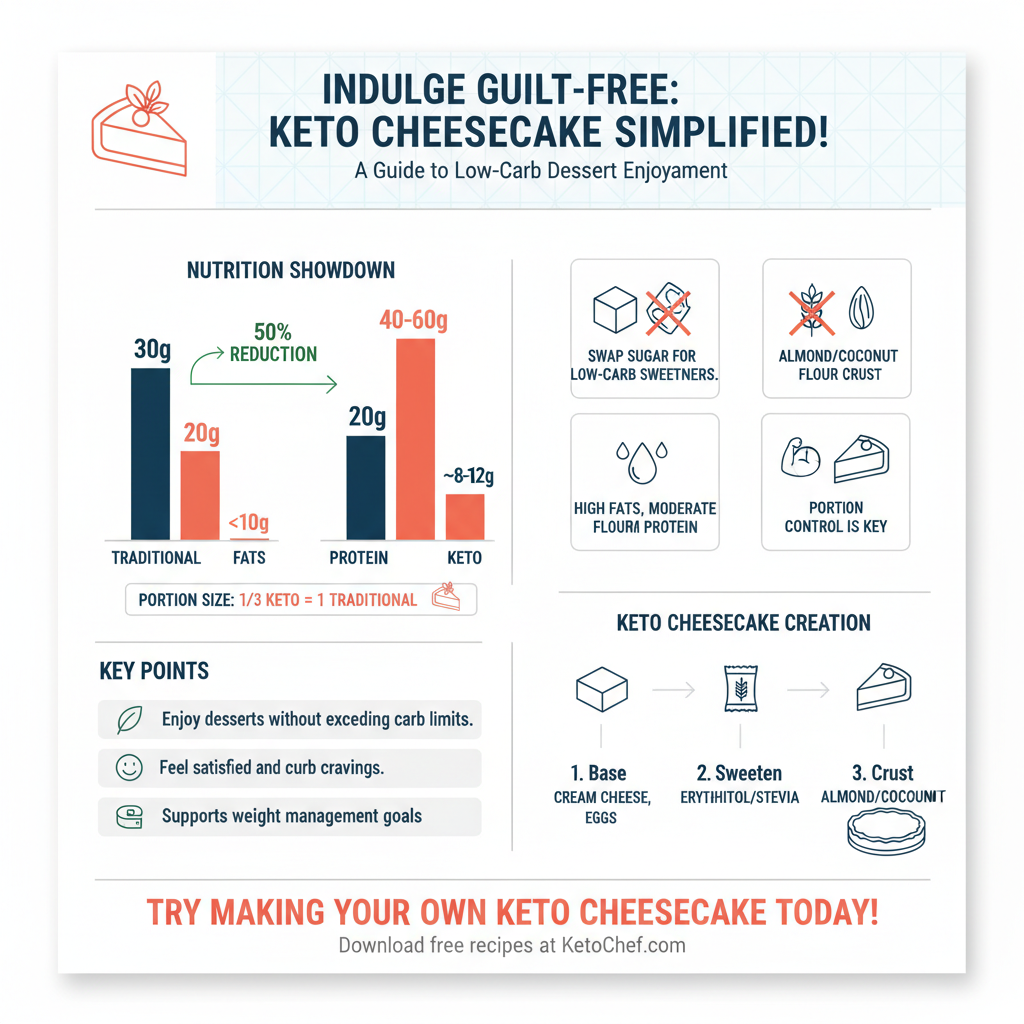
Classic cheesecake is typically made with cream cheese, sugar, and a graham cracker crust. This combination creates a rich and creamy dessert that many find irresistible. However, traditional cheesecake is packed with sugar and refined carbohydrates, especially in the crust, which makes it unsuitable for a ketogenic diet. A standard slice of traditional cheesecake can contain upwards of 30 grams of carbohydrates, primarily from the sugar and the crust. For individuals striving to keep their carbohydrate intake low, this amount can easily exceed the daily limits set by a ketogenic diet.
Keto-Friendly Cheesecake Alternatives
To create a keto-friendly cheesecake, the focus must shift to ingredient substitutions that lower the carbohydrate content while maintaining flavor and texture. For the crust, almond flour or coconut flour serves as excellent alternatives to the traditional graham crackers. Both options are significantly lower in carbohydrates and can provide a satisfying crunch. Furthermore, replacing sugar with low-carb sweeteners such as erythritol or stevia can ensure that the cheesecake remains sweet without causing spikes in blood sugar levels. These sweeteners are not only lower in calories but also do not contribute to carbohydrate counts, making them ideal for a keto-friendly dessert.
Nutritional Breakdown of Keto Cheesecake
A typical slice of keto cheesecake can contain lower carbs, higher fats, and moderate protein compared to its traditional counterpart. For instance, a slice of keto cheesecake may contain around 5-10 grams of carbohydrates, 20-30 grams of fat, and 5-10 grams of protein, depending on the specific recipe and ingredients utilized. In contrast, a traditional slice often has over 30 grams of carbohydrates, significantly limiting its compatibility with the ketogenic lifestyle. By analyzing the macros between traditional and keto cheesecake, individuals can better understand how to incorporate this dessert into their meal plans while staying within their nutritional goals.
Tips for Making Cheesecake Keto-Friendly
When making cheesecake keto-friendly, there are several strategies to enhance flavor and texture without compromising on health goals. Experimenting with different low-carb sweeteners can yield delightful variations in taste; for instance, combining erythritol with a touch of stevia can create a more balanced sweetness. Additionally, incorporating flavorings such as vanilla extract, lemon zest, or even cocoa powder can elevate the dessert and provide a gourmet touch. It’s also vital to consider portion sizes; even low-carb desserts should be consumed in moderation to avoid exceeding daily carbohydrate limits. Keeping slices manageable allows for indulgence without derailing dietary progress.
Popular Keto Cheesecake Recipes
For those eager to dive into the world of keto cheesecake, several popular recipes can serve as a starting point. For instance, a no-bake keto cheesecake requires just a handful of ingredients, including cream cheese, heavy cream, and a low-carb sweetener, blended to create a creamy texture. Alternatively, a chocolate-flavored keto cheesecake can be made by incorporating unsweetened cocoa powder into the batter for a rich chocolate experience. Regardless of the recipe chosen, it is crucial to use high-quality ingredients, as they can significantly affect the final taste and texture of the cheesecake. Organic cream cheese and fresh eggs can enhance the overall quality of the dessert.
Potential Pitfalls to Avoid
While making cheesecake keto-friendly, it is essential to remain vigilant about potential pitfalls. Many pre-made or store-bought keto cheesecakes may still contain hidden sugars or unhealthy additives that can undermine your dietary efforts. Always check ingredient labels to ensure compliance with keto guidelines, looking out for any ingredients that may contribute unwanted carbohydrates. Additionally, be cautious with portion sizes of homemade keto cheesecakes, as it’s easy to overindulge in even the healthiest desserts.
Summarizing the key points, cheesecake can definitely fit into a keto diet if the right ingredients are chosen. By making simple modifications to traditional recipes — such as using low-carb sweeteners and alternative flours — you can indulge in this delicious dessert while staying on track with your dietary goals. Exploring some of the recipes mentioned and experimenting in the kitchen can lead to delightful keto-friendly cheesecake creations that satisfy your sweet tooth without sacrificing your commitment to a low-carb lifestyle.
Frequently Asked Questions
Is cheesecake keto-friendly, and what are the key ingredients to consider?
Yes, cheesecake can be keto-friendly if prepared with the right ingredients. Traditional recipes often use high-carb ingredients like sugar and graham cracker crust, which are not suitable for a ketogenic diet. For a keto cheesecake, opt for low-carb sweeteners like erythritol or stevia and use almond flour or coconut flour for the crust. These substitutions drastically reduce the net carbs, making it a delicious option for those on a keto diet.
How many carbs are in a typical slice of keto cheesecake?
A typical slice of keto cheesecake can contain anywhere from 3 to 7 grams of net carbs, depending on the recipe and portion size. This is significantly lower than traditional cheesecake, which can have upwards of 30 grams of carbs per slice due to added sugars and crust ingredients. Always check specific recipes for carb counts, and consider using a nutrition calculator to tailor your dessert to your dietary needs.
Why is cheesecake a popular dessert choice for those on a keto diet?
Cheesecake is a favored dessert among keto dieters because it is rich, creamy, and can be easily adapted to fit low-carb guidelines. The primary ingredient, cream cheese, is high in fat and low in carbohydrates, aligning perfectly with the keto macronutrient ratio. Additionally, its versatility allows for various flavor profiles and toppings, making it satisfying without the sugar spikes associated with traditional desserts.
What are some popular keto cheesecake recipes I can try at home?
Some popular keto cheesecake recipes include classic New York-style cheesecake, chocolate cheesecake, and berry swirl cheesecake. Each of these recipes can be made with low-carb sweeteners and nut-based crusts to keep the carbohydrate content low. Websites and cookbooks dedicated to keto cooking often feature these recipes, complete with nutritional information to help you stay on track with your diet.
Which types of sweeteners are best for making a keto cheesecake?
The best sweeteners for making a keto cheesecake include erythritol, stevia, and monk fruit sweetener, as they provide sweetness without the high carbohydrate content of regular sugar. Erythritol is particularly popular because it closely resembles the taste and texture of sugar, while stevia and monk fruit can be more potent, so a little goes a long way. It’s important to experiment with these sweeteners to find the perfect balance for your taste preferences while maintaining keto compliance.
References
- Cheesecake
- https://www.healthline.com/nutrition/keto-friendly-desserts
- https://www.medicalnewstoday.com/articles/cheesecake-nutrition-facts
- https://www.ncbi.nlm.nih.gov/pmc/articles/PMC7887789/
- https://www.verywellfit.com/keto-friendly-cheesecake-recipe-4782235
- https://www.cdc.gov/nutrition/index.html