

Bologna can be keto-friendly, but it largely depends on the specific ingredients and brand you choose. Most traditional bologna is low in carbohydrates, making it suitable for a ketogenic lifestyle. However, certain varieties may contain additives that can increase carb content, which is crucial for those who are strictly monitoring their carbohydrate intake. In this article, we will explore the nutritional aspects of bologna, its ingredients, potential health implications, and how it fits into a keto diet.
Understanding Bologna Ingredients

Bologna is typically made from a combination of meats, which may include pork, beef, or poultry, often blended with various seasonings and spices to enhance flavor. The traditional preparation of bologna can vary significantly depending on regional preferences and manufacturing processes. While the primary ingredients may be meat, the inclusion of fillers and preservatives is also common in many commercial products. These additives can include starches, sugars, and artificial flavorings, which may inadvertently increase the carbohydrate content and diminish the overall health benefits of the product.
When selecting bologna for a keto diet, it is essential to scrutinize the ingredient list on the packaging. Look for terms like “no added sugars” or “minimal fillers” to ensure that you are choosing a product that aligns with your dietary goals. Additionally, some brands may offer cleaner, more natural options, often labeled as “natural” or “organic,” which typically use fewer and simpler ingredients.
Nutritional Profile of Bologna
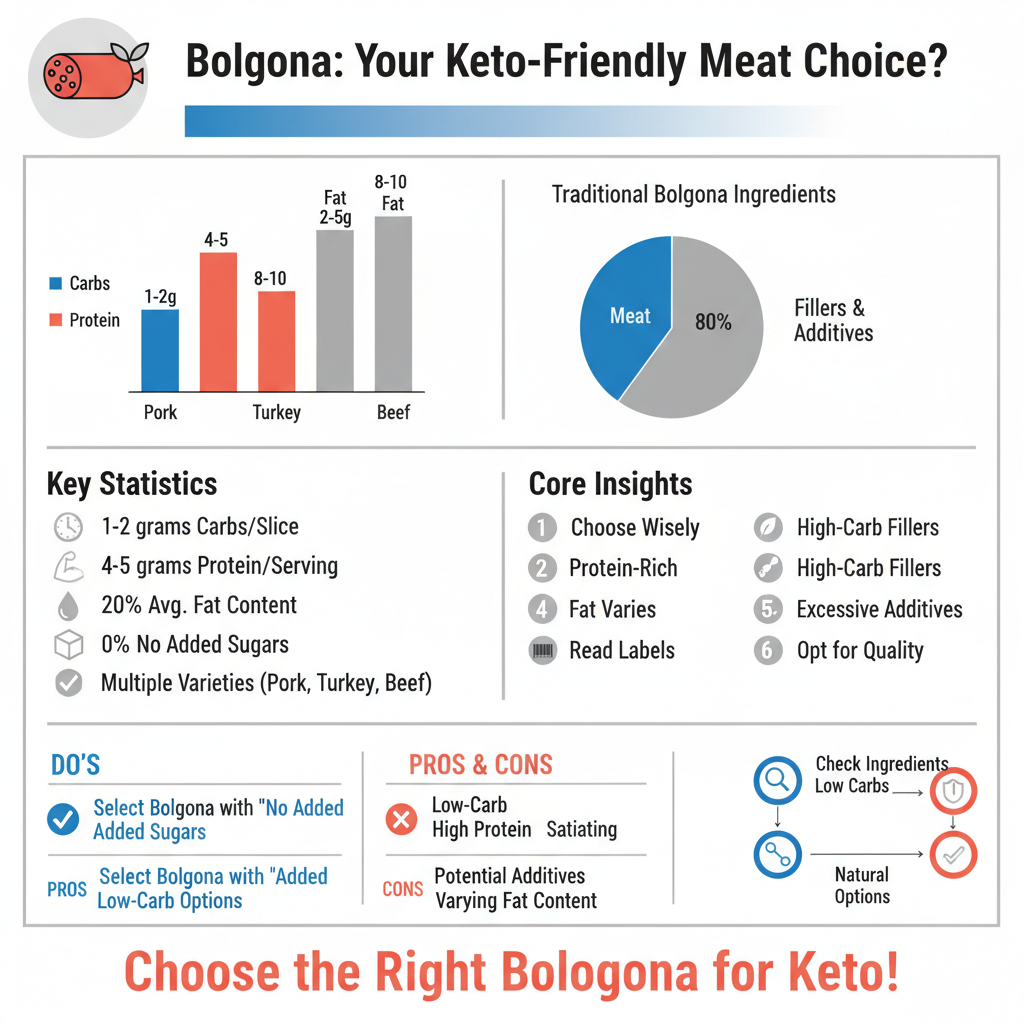

The nutritional profile of bologna is relatively favorable for a keto diet, particularly when compared to conventional sandwich meats. A standard serving of bologna contains about 1-2 grams of carbohydrates, which is significantly lower than many bread products and other processed meats. This low-carb content aligns well with the macronutrient ratios recommended for a ketogenic lifestyle, which typically emphasizes high fat and moderate protein intake.
In addition to being low in carbs, bologna is also high in both protein and fat. A typical slice may contain around 4-5 grams of protein and 8-10 grams of fat, depending on the specific brand and formulation. The protein content not only aids in muscle maintenance but also helps keep you satiated, making bologna a potential ally for those looking to manage their weight while on a keto diet.
However, the fat content can vary, especially between different kinds of bologna, such as turkey bologna compared to pork bologna. Therefore, it is crucial to consider your overall daily macronutrient goals when incorporating bologna into your meals.
Assessing Brands for Keto Compatibility
When it comes to choosing bologna for a ketogenic diet, not all brands are created equal. It’s important to do your research and select brands that prioritize quality ingredients. Look for products that advertise themselves as free from added sugars and artificial preservatives.
Brands such as Applegate and Boar’s Head offer options that are often considered more keto-compatible due to their emphasis on natural ingredients. Applegate, for instance, provides organic bologna variants that contain no artificial ingredients and minimal fillers, making it a preferable choice for health-conscious consumers.
Additionally, you may want to explore local butcher shops or specialty markets that offer freshly made bologna. These products may not only be free from undesirable additives but can also provide a richer flavor profile and higher quality meat. Always check the nutritional information on the packaging to ensure that the product meets your dietary requirements.
Health Considerations of Eating Bologna
While bologna can be a convenient and tasty addition to a keto diet, it’s important to be aware of the potential health implications associated with processed meats. Numerous studies have linked high consumption of processed meats, including bologna, to an increased risk of certain health issues, including cardiovascular disease and certain types of cancer. The presence of nitrates and nitrites in many processed meats has raised concerns about their long-term effects on health.
Moderation is key when it comes to consuming bologna and other processed meats. While it can certainly be enjoyed occasionally as part of a balanced diet, it should not serve as a primary protein source. To mitigate potential risks, consider complementing bologna with whole, unprocessed foods such as vegetables, nuts, and seeds, which can provide additional nutrients and health benefits.
Creative Ways to Incorporate Bologna into Keto Meals
Bologna can be a versatile ingredient in a variety of keto-friendly meals. One popular way to enjoy bologna is by using it in lettuce wraps. Simply take a large leaf of romaine or iceberg lettuce, add a slice of bologna, and top it with your choice of high-fat condiments like mayonnaise or avocado. This creates a satisfying meal or snack without the extra carbs typically found in bread.
Another creative option is to use bologna as a topping for salads. Diced bologna can add a savory flavor and protein boost to leafy green salads, making them more filling and enjoyable. Pairing bologna with high-fat cheeses, olives, or nuts can further enhance the taste and nutritional profile of your meal.
For breakfast, consider making a bologna and egg scramble. Sauté bologna slices with your choice of vegetables, then add scrambled eggs for a hearty start to the day. This combination not only keeps carb levels low but also provides ample protein and healthy fats to fuel your morning.
Alternatives to Bologna on a Keto Diet
If you find that bologna doesn’t quite fit your preferences or dietary needs, there are numerous alternatives that can also be keto-friendly. Turkey, roast beef, and chicken are popular deli meats that are often lower in fat but can still provide adequate protein. Each of these options has its own unique flavor and texture, making them suitable for a variety of meal preparations.
For those who enjoy cooking, consider making homemade deli meats. Roasting a whole chicken or beef brisket can yield delicious, preservative-free slices that you can use in sandwiches, salads, or as main dishes. This allows you to control the ingredients completely, ensuring that what you are consuming aligns with your health goals.
Additionally, other keto-friendly meats such as salami, prosciutto, or even bacon can provide variety and enjoyment without the unwanted additives found in many commercial processed meats.
In summary, bologna can be a keto-friendly option if chosen wisely, with attention to ingredients and nutritional content. Always opt for brands with lower carbohydrate counts and minimal additives. For those looking to maintain a keto lifestyle, exploring a variety of meats and meal preparations can enhance dietary variety while keeping carb intake in check. Consider trying different brands and recipes to find what works best for you!
Frequently Asked Questions
Is bologna a keto-friendly meat option?
Yes, bologna can be considered a keto-friendly meat option, as it is typically low in carbohydrates and high in fat and protein, aligning well with the ketogenic diet’s macronutrient goals. However, it’s essential to check the labels, as some brands may add fillers or sugars that increase carb content. Opting for high-quality, nitrate-free bologna can help ensure it fits your keto lifestyle.
How many carbs are in bologna?
The carbohydrate content in bologna can vary by brand, but on average, a single slice of bologna contains about 0.5 to 1 gram of carbohydrates. For those following a strict ketogenic diet, this low carb count makes bologna a suitable choice, especially when consumed in moderation and as part of a balanced meal plan that prioritizes healthy fats and proteins.
Why might some people avoid bologna on a keto diet?
Some individuals may choose to avoid bologna on a keto diet due to concerns about the quality of ingredients, as many processed meats can contain preservatives, additives, and hidden sugars. Additionally, the high sodium content and potential nitrates in certain bologna brands can be a health concern for some. It’s crucial to read ingredient lists and select products that align with your health goals.
What is the best type of bologna for a keto diet?
The best type of bologna for a keto diet is one that is organic, grass-fed, and made without fillers or added sugars. Look for brands that use high-quality meats and natural ingredients to ensure you are consuming a product that is both keto-friendly and healthy. Additionally, choosing nitrate-free options can help reduce potential health risks associated with processed meats.
How can I incorporate bologna into my keto meal plan?
Incorporating bologna into your keto meal plan can be easy and delicious. You can use it as a protein source in salads, roll it up with cheese and low-carb vegetables for a quick snack, or include it in omelets for breakfast. Just ensure that the rest of your meals are balanced with healthy fats and low-carb vegetables to maintain your ketogenic goals effectively.
References
- https://www.healthline.com/nutrition/keto-diet-foods
- https://www.medicalnewstoday.com/articles/322706
- https://www.ncbi.nlm.nih.gov/pmc/articles/PMC6460364/
- https://www.webmd.com/diet/obesity/what-is-the-keto-diet
- https://www.dietdoctor.com/low-carb/keto
- https://www.thekitchn.com/keto-diet-foods-22980693