

The keto diet can be beneficial for managing PCOS symptoms by promoting weight loss and improving insulin sensitivity. By significantly lowering carbohydrate intake and increasing healthy fats, the ketogenic diet can help regulate hormones and improve metabolic health, which is crucial for women suffering from polycystic ovary syndrome (PCOS). In this article, we will explore how the ketogenic diet may help with hormone regulation, weight management, and overall health for those suffering from PCOS.
Understanding PCOS and Its Challenges

Polycystic ovary syndrome (PCOS) is a complex hormonal disorder that affects approximately 5-10% of women of reproductive age. This condition can lead to a variety of symptoms, including irregular menstrual cycles, excess androgen levels, and polycystic ovaries, which can manifest as weight gain, acne, and excessive hair growth. One of the key challenges faced by women with PCOS is insulin resistance, a condition where the body’s cells become less responsive to insulin, leading to elevated blood sugar levels and increased fat storage.
Insulin resistance is particularly common in PCOS, with studies suggesting that up to 70% of women with this condition may experience it. This can create a vicious cycle where elevated insulin levels promote weight gain, which in turn exacerbates insulin resistance. Managing blood sugar levels can be a significant hurdle, making weight management and hormonal balance particularly challenging for those with PCOS.
The Basics of a Keto Diet
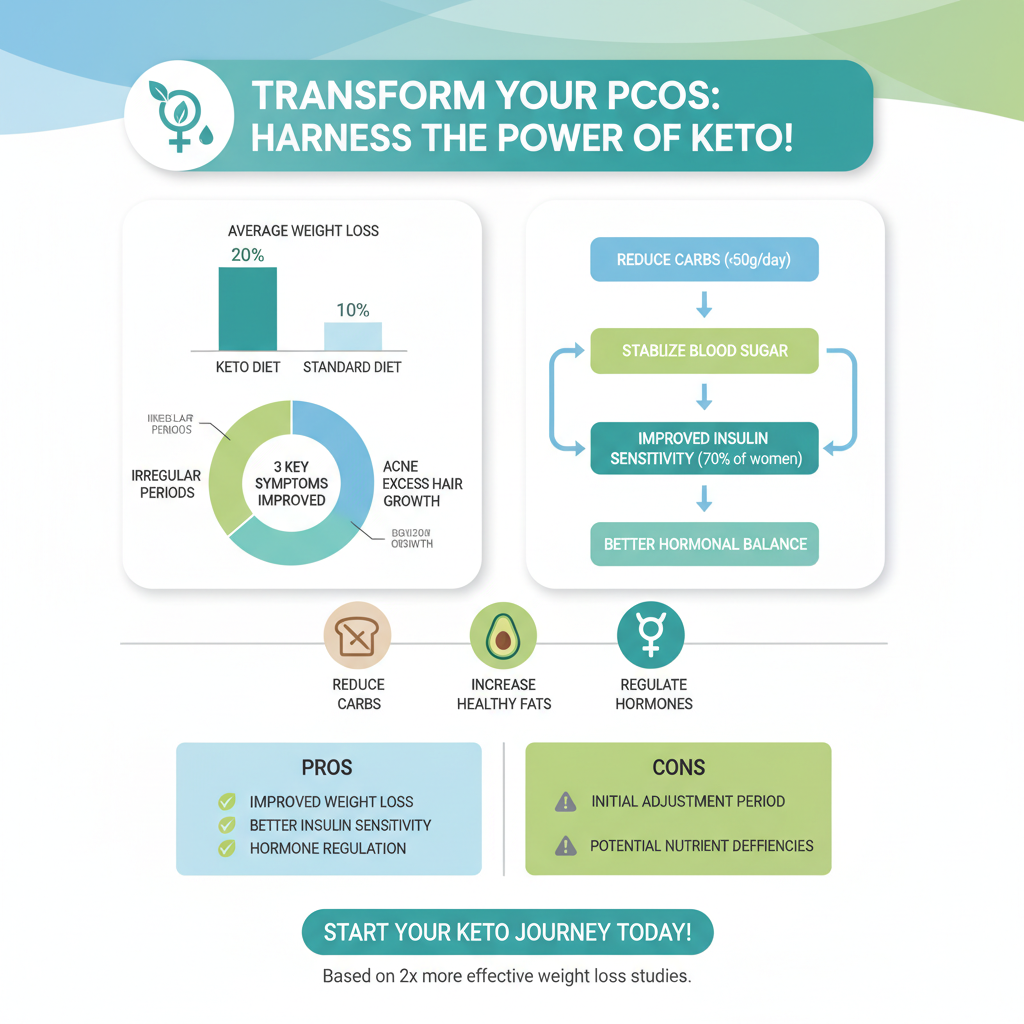

A ketogenic diet is characterized by a high intake of healthy fats, moderate protein consumption, and a very low carbohydrate intake, typically less than 50 grams of carbs per day. This drastic reduction in carbohydrates forces the body to enter a state of ketosis, in which it becomes more efficient at burning fat for fuel instead of carbohydrates. This metabolic shift is not just beneficial for weight loss; it can also help regulate insulin levels and reduce the body’s overall insulin response to food.
For women with PCOS, the reduction in carbohydrate intake may aid in stabilizing blood sugar levels and improving insulin sensitivity. By lowering insulin levels, the body may also reduce the production of androgens, which are often elevated in women with PCOS. This could lead to improvements in symptoms like irregular periods, acne, and excess hair growth.
Potential Benefits of Keto for PCOS
Weight Loss
One of the most notable benefits of the keto diet for women with PCOS is its potential for significant weight loss. Studies have shown that women with PCOS who follow a ketogenic diet often experience greater weight loss compared to those on a standard low-calorie diet. This weight loss can lead to improved hormonal balance, reduced insulin levels, and better regulation of menstrual cycles. Furthermore, even a modest weight loss of just 5-10% of body weight can yield significant improvements in PCOS symptoms.
Improved Insulin Sensitivity
Lowering carbohydrate intake through a ketogenic diet can lead to improved insulin sensitivity and a reduction in insulin resistance. Research indicates that the ketogenic diet can be effective at lowering fasting insulin levels and stabilizing blood sugar levels. For women with PCOS, this means that the body’s cells may respond better to insulin, helping to manage weight and reduce symptoms associated with the condition. Greater insulin sensitivity can also contribute to a healthier metabolic profile, which is critical for long-term health.
Risks and Considerations
While the keto diet can offer significant benefits for managing PCOS, it is not without its risks and considerations.
Nutrient Deficiencies
One major concern with a strict ketogenic diet is the potential for nutrient deficiencies. By limiting carbohydrate-rich foods such as fruits, whole grains, and certain vegetables, individuals may inadvertently reduce their intake of essential vitamins and minerals. Nutrients like fiber, B vitamins, and antioxidants are critical for overall health and can be lacking in a poorly planned ketogenic diet. It’s essential to focus on nutrient-dense foods and consider supplementation if necessary to avoid deficiencies.
Individual Variance
Another critical consideration is that results can vary greatly from person to person. While some women may find relief from their PCOS symptoms on a ketogenic diet, others may not experience the same benefits. Factors such as genetics, lifestyle, and adherence to the diet can all play a role in its effectiveness. It’s essential for individuals to monitor their responses to dietary changes and adjust their approach accordingly.
Practical Tips for Starting Keto with PCOS
If you’re considering starting a ketogenic diet to manage PCOS, here are some practical tips to help you get started effectively:
Begin with Meal Planning
Taking the time to plan your meals can make a significant difference in your success on the keto diet. Focus on incorporating whole, low-carb foods like leafy green vegetables, healthy fats (such as avocados, olive oil, and nuts), and high-quality proteins (like grass-fed meat, fish, and eggs). Meal prep can help you stay on track, and keeping healthy snacks on hand can prevent unplanned indulgences.
Stay Hydrated and Consider Supplements
Proper hydration is crucial when following a ketogenic diet, as the body may lose more water during the initial stages of ketosis. Aim to drink plenty of water throughout the day. Additionally, consider supplementing with essential vitamins and minerals, especially magnesium, potassium, and omega-3 fatty acids, to ensure you’re meeting your nutritional needs and supporting overall health.
Consulting Healthcare Professionals
Before embarking on any significant dietary change, it is essential to consult with a healthcare provider, particularly when managing a condition like PCOS. A registered dietitian can offer personalized advice tailored to your unique health needs, helping you create a balanced and sustainable ketogenic plan. They can also assist in monitoring your progress and making necessary adjustments to optimize your results.
The keto diet can offer valuable benefits for managing PCOS, particularly regarding weight loss and insulin sensitivity. However, it’s crucial to approach it mindfully and with professional guidance. If you’re considering the keto diet to help manage your PCOS, start by consulting with a healthcare professional to develop a plan that works for you. By taking informed steps and prioritizing your overall health, you can effectively manage your PCOS symptoms and improve your quality of life.
Frequently Asked Questions
Is a keto diet effective for managing PCOS symptoms?
Yes, a keto diet can be effective in managing symptoms of Polycystic Ovary Syndrome (PCOS). The low-carb, high-fat approach of the ketogenic diet may help reduce insulin levels and improve insulin sensitivity, which are crucial for women with PCOS. This diet can also assist in weight loss, which can further alleviate symptoms associated with PCOS, such as irregular menstrual cycles and hormonal imbalances.
What foods should I include in a keto diet for PCOS?
A keto diet for PCOS should focus on low-carb, high-fat foods that promote satiety and stabilize blood sugar levels. Incorporate non-starchy vegetables like leafy greens and broccoli, healthy fats such as avocados and olive oil, and high-quality protein sources like eggs and fatty fish. Avoid sugary foods and refined carbs, as they can exacerbate insulin resistance, which is common in women with PCOS.
How does a keto diet impact hormone levels in women with PCOS?
A keto diet can positively impact hormone levels by reducing insulin resistance, which is often elevated in women with PCOS. Lowering carbohydrate intake decreases insulin spikes, leading to more stable blood sugar levels and potentially reducing androgen production. This hormonal balancing can help alleviate symptoms such as acne, excessive hair growth, and irregular periods, making the keto diet a beneficial option for managing PCOS.
Why should I consider a keto diet if I have PCOS?
Considering a keto diet for PCOS can be beneficial due to its potential to improve insulin sensitivity, aid in weight loss, and regulate menstrual cycles. Many women with PCOS struggle with weight management and metabolic issues, and a ketogenic approach can help address these concerns through dietary changes that promote fat burning and hormonal balance. Additionally, the diet’s emphasis on whole foods can lead to better overall health.
Which keto-friendly snacks are suitable for women with PCOS?
Women with PCOS can enjoy a variety of keto-friendly snacks that are low in carbs and high in healthy fats. Some excellent options include nuts and seeds, cheese, Greek yogurt (full-fat), sliced vegetables with guacamole, and hard-boiled eggs. These snacks not only help maintain ketosis but also provide essential nutrients that support hormonal health and keep cravings at bay.
References
- https://www.ncbi.nlm.nih.gov/pmc/articles/PMC7070900/
- https://www.ncbi.nlm.nih.gov/pmc/articles/PMC6326916/
- https://www.healthline.com/nutrition/keto-diet-and-pcos
- https://www.ncbi.nlm.nih.gov/pmc/articles/PMC8320524/
- Polycystic Ovary Syndrome (PCOS): Symptoms, Causes, Tests, and Treatment
- https://www.mayoclinic.org/diseases-conditions/polycystic-ovary-syndrome/symptoms-causes/syc-20357510
- People & Places | Registered Dental Hygienists
- https://www.jamanetwork.com/journals/jama/fullarticle/2771728