

To maintain a state of ketosis, it’s crucial to limit sugar intake, typically to about 20 to 50 grams of total carbohydrates per day, depending on individual tolerance. This restriction is essential as it helps the body shift from burning glucose to burning fat for fuel. In this article, we will explore how much sugar you can consume on a keto diet, the types of sugars to avoid, and alternatives that fit within your keto lifestyle to ensure you remain in ketosis while still enjoying your meals.
Understanding Sugar and Carbohydrates

Sugar is a type of carbohydrate, and it exists in various forms in our diet. These can be broadly categorized into natural sugars, such as those found in fruits and dairy, and added sugars, which are incorporated into processed foods. Natural sugars tend to come with beneficial nutrients, while added sugars can contribute to increased caloric intake without nutritional value.
For example, one medium banana contains approximately 14 grams of sugar, while a single tablespoon of table sugar adds around 12 grams. Common sugary foods like candy, soft drinks, and baked goods can contain upwards of 30 grams of sugar per serving, easily exceeding the daily limit for those on a keto diet. Understanding the carbohydrate count in these foods is crucial for managing your ketosis effectively.
The Role of Sugar in Ketosis
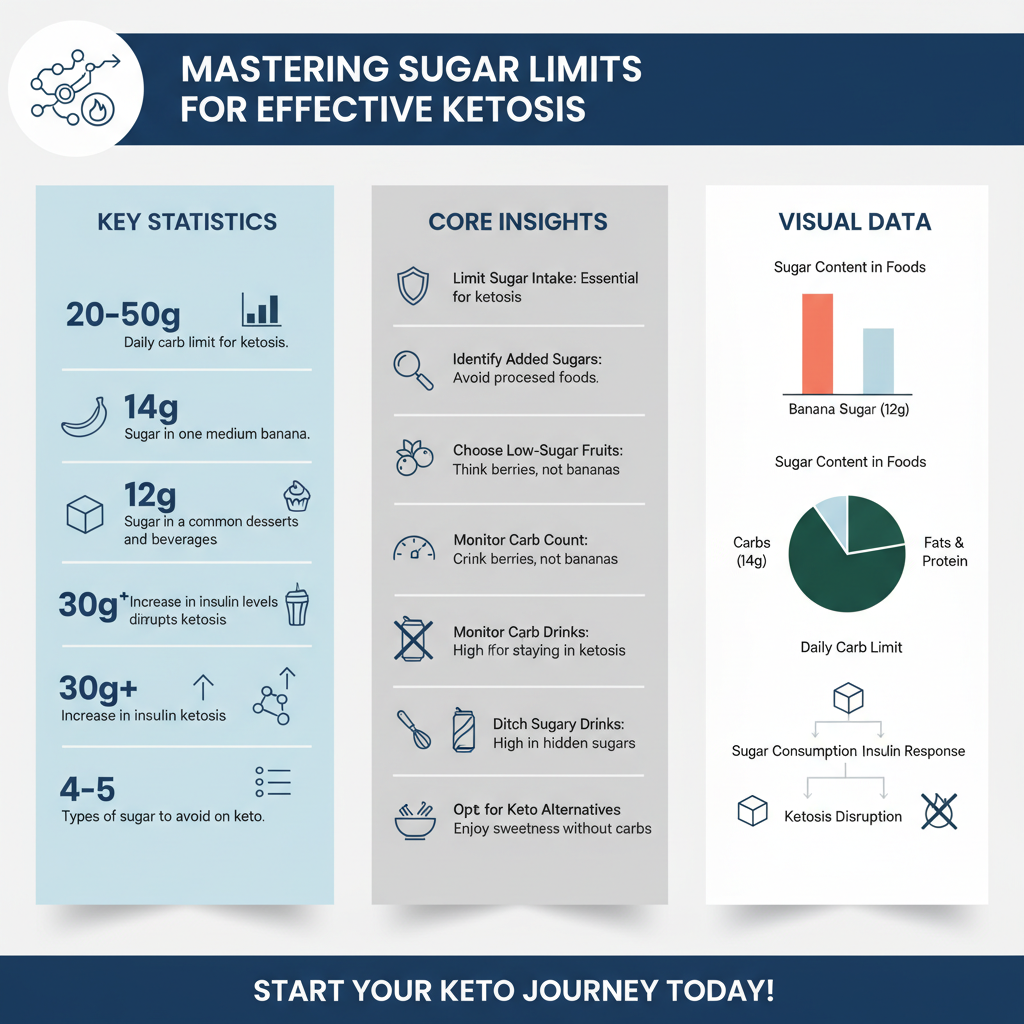

When you consume sugar, it raises your blood glucose levels, prompting the pancreas to release insulin. Insulin is a hormone that helps cells absorb glucose for energy. However, in a ketogenic diet, elevated insulin levels can hinder the body from entering or maintaining a state of ketosis. This makes it vital to keep sugar intake low.
The carbohydrate threshold for maintaining ketosis generally ranges from 20 to 50 grams per day. Staying below this limit allows your body to continue relying on fat stores for energy instead of reverting to glucose metabolism. Therefore, even small amounts of sugar can potentially disrupt your ketosis if they push your total carbohydrate intake beyond this threshold.
Foods to Avoid on a Keto Diet
To effectively adhere to a keto diet, it’s essential to eliminate high-sugar foods that can lead to exceeding your carbohydrate limit. Some of the primary offenders include:
– Sugary Beverages: Soft drinks, energy drinks, and sweetened teas can contain exorbitant amounts of sugar, often exceeding 30 grams per serving.
– Desserts and Sweets: Cakes, cookies, and candies are typically laden with sugar and should be avoided.
– Fruits: While fruits are healthy, many contain high amounts of sugar. For instance, grapes and bananas can spike your sugar intake significantly.
– Processed Foods: Many packaged foods, including sauces and condiments, can contain hidden sugars that disrupt ketosis.
These foods can lead to increased insulin levels and can reverse the metabolic state of ketosis, making it difficult to achieve your weight loss and health goals.
Keto-Friendly Sugar Alternatives
Fortunately, there are sugar alternatives that can satisfy your sweet tooth without knocking you out of ketosis. Natural sweeteners like stevia and erythritol are popular choices:
– Stevia: Extracted from the leaves of the Stevia plant, this sweetener is calorie-free and does not affect blood sugar levels.
– Erythritol: A sugar alcohol that contains almost no calories and has a minimal impact on blood sugar. It also has a taste profile similar to sugar.
While these alternatives have their benefits, it’s essential to be aware of potential drawbacks. Some individuals may experience digestive discomfort from sugar alcohols like erythritol, and stevia can have an aftertaste that some find unappealing. Therefore, moderation and personal tolerance should guide your use of these sweeteners.
Monitoring Your Sugar Intake
To successfully manage your sugar and carbohydrate intake on a keto diet, consider utilizing tools and apps designed for tracking your food consumption. Applications like MyFitnessPal, Cronometer, and Carb Manager can help you log your meals and keep an accurate count of your carbohydrate intake, ensuring you stay within your limits.
Additionally, learning to read nutrition labels effectively is crucial. Look for total carbohydrate counts and pay attention to the serving sizes. Note that some products may list sugar alcohols separately, and it’s important to understand how they fit into your total carb count. Familiarizing yourself with these practices will empower you to make informed decisions while shopping and dining out.
Common Myths About Sugar on Keto
There are several misconceptions surrounding sugar consumption on a keto diet that need clarification. One common myth is that all carbohydrates are created equal. In reality, the distinction between net carbs (total carbohydrates minus fiber and certain sugar alcohols) and total carbs is critical. Many keto dieters focus on net carbs to gauge their intake accurately.
Another misconception is that you can’t enjoy any sweet flavors on a keto diet. While traditional sugars are off-limits, using keto-friendly sweeteners allows for a variety of flavors without compromising your goals. Understanding these differences can help demystify the process and make adherence to a keto lifestyle more manageable.
Incorporating these strategies will help you navigate sugar consumption while following a keto diet. Understanding how much sugar you can have and identifying keto-friendly alternatives can lead to successful weight loss and improved health. Make sure to monitor your intake and adjust as needed to stay in ketosis, allowing you to reap the benefits of a low-carb lifestyle while enjoying the flavors you love.
Frequently Asked Questions
How much sugar can I consume on a keto diet?
On a ketogenic diet, the goal is to limit sugar intake to around 20-50 grams of net carbs per day, with the emphasis on minimizing sugar consumption to achieve and maintain ketosis. This typically translates to less than 5% of your total daily caloric intake coming from sugars, including those from fruits and processed foods. To stay within these limits, focus on low-carb vegetables, healthy fats, and proteins while avoiding sugary snacks and beverages.
Why is it important to limit sugar on a keto diet?
Limiting sugar is crucial on a keto diet because sugar consumption can spike insulin levels, which can hinder the body’s ability to enter and stay in ketosis. Ketosis is a metabolic state where the body utilizes fat for fuel instead of carbohydrates, and high sugar intake can disrupt this process. By reducing sugar, you not only help your body transition into ketosis more effectively but also improve your overall health and manage cravings.
What are some low-sugar alternatives for a keto diet?
For those following a keto diet, excellent low-sugar alternatives include natural sweeteners like stevia, erythritol, and monk fruit, which provide sweetness without the carbs that traditional sugar contains. Additionally, incorporating unsweetened cocoa powder and vanilla extract can enhance flavors in recipes without adding sugar. Always read labels carefully to ensure the products are truly low in sugar and fit within your daily carbohydrate limit.
Which fruits are lowest in sugar for a keto-friendly diet?
When following a keto diet, fruits that are lowest in sugar and can be enjoyed in moderation include berries such as strawberries, raspberries, and blackberries, as they are high in fiber and relatively low in net carbs. Avocado and tomatoes, while technically fruits, are also excellent choices as they are very low in sugar. Always check portion sizes to ensure you remain within your daily carbohydrate goals.
How can I track my sugar intake on a keto diet effectively?
To effectively track your sugar intake on a keto diet, consider using a food diary app or a nutrition tracker that allows you to log your meals and snacks. Look for tools that provide detailed nutritional breakdowns, including total sugars and net carbs. Additionally, reading food labels and being mindful of hidden sugars in sauces, dressings, and packaged foods can help you stay on track and maintain your keto lifestyle.
References
- Ketogenic diet
- https://www.ncbi.nlm.nih.gov/pmc/articles/PMC6071200/
- The Ketogenic Diet: A Detailed Beginner’s Guide to Keto
- https://www.webmd.com/diet/what-is-the-ketogenic-diet
- https://www.cdc.gov/healthyweight/healthy_eating/sugar.html
- https://www.verywellfit.com/what-is-the-ketogenic-diet-5189782
- https://www.nutrition.gov/topics/nutrition-basics/sugar
- https://www.sciencedirect.com/science/article/pii/S2212267214001954