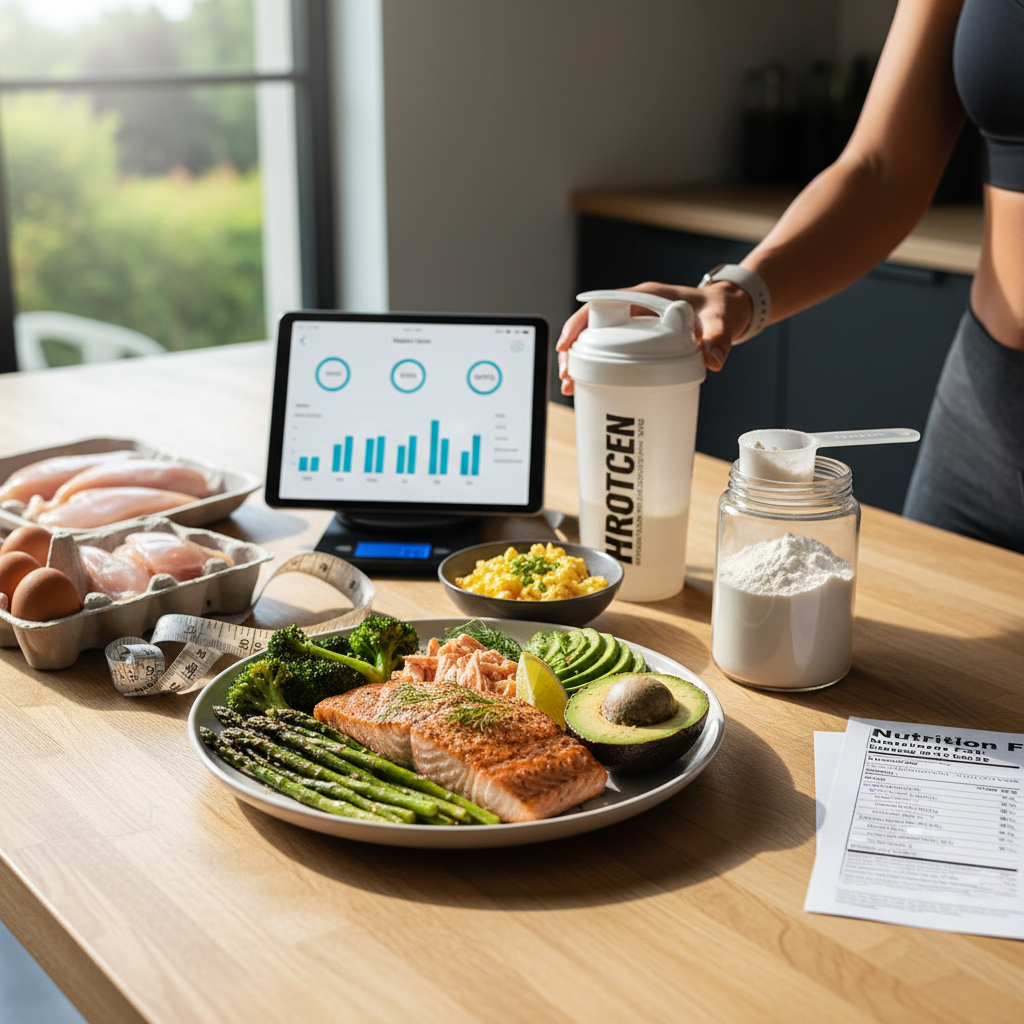

To maximize your results on a ketogenic diet, aim to consume about 20-25% of your daily calories from protein, which typically translates to around 0.6 to 1.0 grams of protein per pound of lean body mass. This protein intake is essential for maintaining muscle mass while ensuring you stay in ketosis, a metabolic state where your body efficiently burns fat for fuel instead of carbohydrates. Balancing your macronutrients effectively allows you to enjoy the benefits of keto while supporting your overall health. In this article, we’ll break down how to calculate your protein requirements, the best sources of protein for a keto diet, and tips for balancing your macronutrients effectively.
Understanding Protein Needs on Keto

Protein intake varies based on individual factors such as activity level, age, and fitness goals. For those who are highly active or engaged in resistance training, a higher protein intake may be beneficial to support muscle repair and growth. Conversely, sedentary individuals may require less protein to meet their nutritional needs. A general guideline for protein consumption on a ketogenic diet is to target 0.6 to 1.0 grams per pound of lean body mass. For example, if you weigh 150 pounds and have 100 pounds of lean body mass, aiming for 60 to 100 grams of protein per day would be appropriate. Maintaining an adequate protein intake is crucial, as it helps preserve muscle mass during weight loss and can contribute to satiety, making it easier to adhere to your diet.
Calculating Your Protein Intake
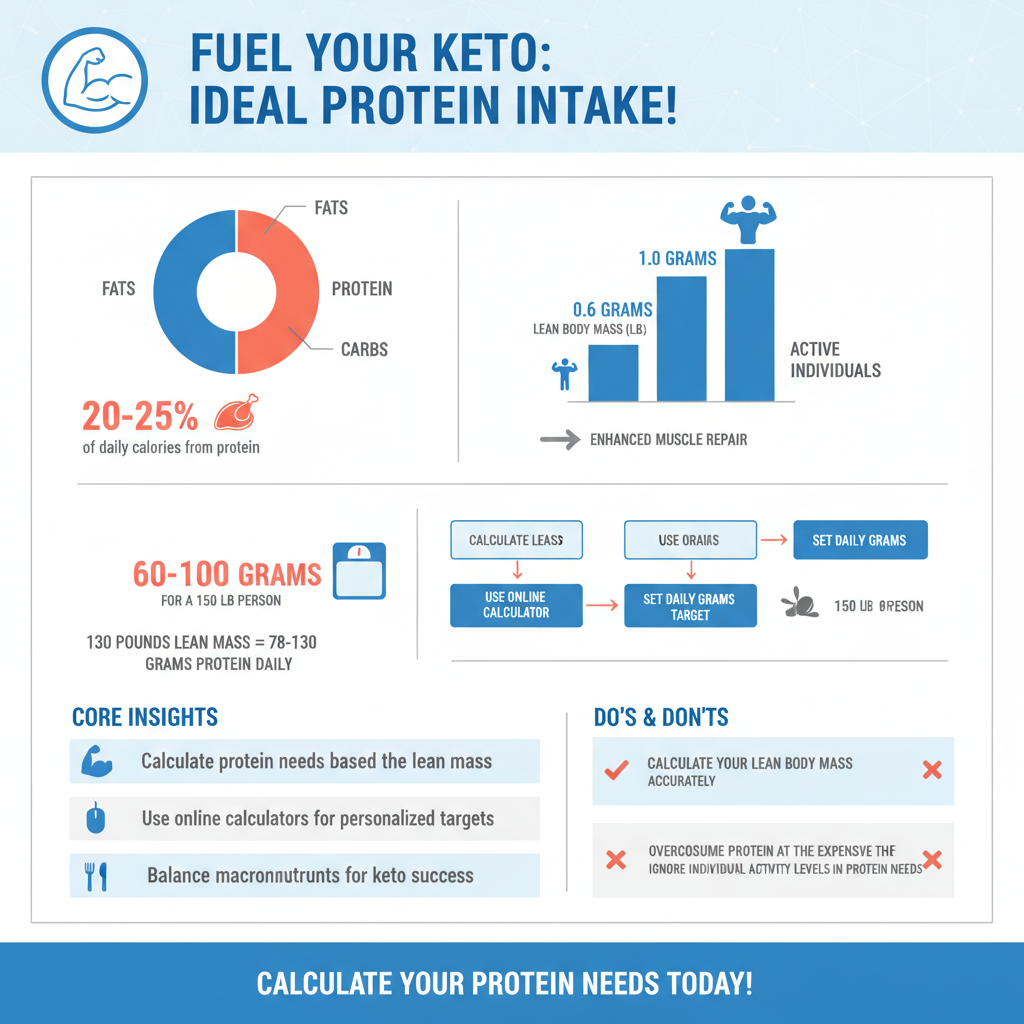

To accurately estimate your protein needs, consider your body weight and activity level. One way to determine your protein intake is to first calculate your lean body mass, which can be done using a body composition test or an online calculator. Once you have that number, you can multiply your lean body mass by the recommended protein range of 0.6 to 1.0 grams.
For instance, if your lean body mass is 130 pounds, your protein intake should range from approximately 78 to 130 grams per day. Additionally, there are various online protein calculators that can help simplify this process by taking into account your weight, activity level, and dietary goals. Using these tools can provide a more personalized protein target that aligns with your health and fitness objectives.
Best Protein Sources for a Keto Diet
When following a ketogenic diet, it is important to focus on high-quality protein sources that contribute to your overall health without exceeding your carbohydrate limits. Some of the best protein sources for a keto diet include:
– Grass-Fed Meats: Beef, lamb, and pork from grass-fed animals are excellent options. They tend to be higher in omega-3 fatty acids and other nutrients compared to grain-fed counterparts.
– Fatty Fish: Fish such as salmon, mackerel, and sardines not only provide high-quality protein but also healthy fats, making them ideal for a ketogenic diet.
– Eggs: Eggs are a nutrient-dense food rich in protein and healthy fats. They are versatile and can be incorporated into various meals.
– Poultry: Chicken and turkey are lean sources of protein that can be used in multiple dishes, making them convenient for meal prep.
– Plant-Based Proteins: While plant-based proteins like nuts, seeds, and legumes can be included, it is essential to be mindful of their carbohydrate content. For instance, almond and hemp seeds are low in carbs and high in protein, making them suitable options on a keto diet.
Balancing Protein with Fats and Carbs
Understanding the keto macro ratio is crucial for successfully maintaining ketosis. Typically, a ketogenic diet consists of approximately 70-75% fats, 20-25% protein, and 5-10% carbohydrates. This ratio allows the body to enter and sustain a state of ketosis, where it primarily burns fat for energy.
To balance your protein intake with fats and carbs, consider adjusting your fat consumption based on your protein levels. For instance, if you find yourself consuming higher amounts of protein, you may need to increase your fat intake to maintain the desired ratio. This could involve incorporating more healthy fats from sources such as avocados, olive oil, and coconut oil into your meals. Tracking your macronutrient ratios using food diaries or apps can also be beneficial in ensuring you stay within the recommended ranges.
Common Mistakes in Protein Consumption
One common pitfall for individuals on a ketogenic diet is overconsumption of protein. When protein intake exceeds the body’s needs, the excess can undergo a process called gluconeogenesis, where it is converted into glucose, potentially kicking you out of ketosis. Therefore, it is essential to adhere to the recommended protein guidelines and avoid excessive protein consumption.
Another mistake is neglecting fat intake. Since fats are the primary energy source on a keto diet, it is critical to maintain an adequate fat intake to support energy levels and metabolic function. Striking a balance between protein and fat is key to achieving optimal results on the ketogenic diet.
Tips for Tracking Your Protein Intake
To effectively track your protein intake, consider using apps or food diaries that allow you to monitor your daily macronutrient ratios. Many nutrition tracking apps provide features to log food intake, making it easier to see how much protein, fat, and carbohydrates you consume each day.
Meal prepping with protein-rich foods can also help you consistently meet your targets. Preparing meals in advance allows you to control your portions and ensure that you always have keto-friendly options available. For example, cooking a batch of chicken breasts or hard-boiled eggs at the beginning of the week can provide quick and convenient protein sources for your meals and snacks.
Knowing how much protein to eat on a keto diet is essential for achieving your health goals. Start tracking your intake today and experiment with different protein sources to find what works best for you. If you found this information helpful, consider sharing it with others on their keto journey!
Frequently Asked Questions
How much protein should I eat on a keto diet?
On a ketogenic diet, the general recommendation for protein intake is about 20-25% of your total daily caloric intake. This typically translates to approximately 1.2 to 2.0 grams of protein per kilogram of body weight. However, individual needs can vary based on factors such as activity level, age, and muscle mass, so it’s essential to tailor your protein intake accordingly while ensuring it complements your low-carb lifestyle.
What are the best sources of protein for a ketogenic diet?
The best sources of protein on a keto diet include high-fat meats like beef, pork, and lamb, as well as poultry such as chicken and turkey. Seafood like salmon and mackerel are also excellent options due to their omega-3 fatty acids. Additionally, eggs, full-fat dairy products like cheese and Greek yogurt, and plant-based proteins like tofu and tempeh can contribute to your protein intake while keeping carbohydrate levels low.
Why is protein intake important on a keto diet?
Protein intake is crucial on a keto diet because it helps preserve muscle mass while promoting fat loss. Adequate protein supports satiety, reducing hunger pangs and cravings, which can be beneficial for those adjusting to a low-carb lifestyle. Additionally, protein plays a vital role in various bodily functions, including hormone regulation and immune support, making it important for overall health while in ketosis.
How does too much protein affect ketosis?
Consuming too much protein on a ketogenic diet can lead to a process called gluconeogenesis, where excess protein is converted into glucose, potentially kicking you out of ketosis. While protein is essential for muscle maintenance and overall health, it’s important to find a balance, typically aiming for moderate levels of protein to support your goals without compromising your state of ketosis.
Which factors determine my ideal protein intake on keto?
Several factors influence your ideal protein intake on a ketogenic diet, including your age, gender, weight, activity level, and specific health goals. For instance, athletes or individuals looking to build muscle may require more protein than sedentary individuals. Additionally, factors like metabolic health and personal dietary preferences should be considered when determining the right amount of protein for your unique keto journey.
References
- https://www.ncbi.nlm.nih.gov/pmc/articles/PMC6078881/
- https://www.healthline.com/nutrition/keto-diet-and-protein
- https://www.webmd.com/diet/what-is-the-keto-diet
- https://www.clevelandclinic.org/health/articles/what-is-the-keto-diet
- https://www.dietitians.ca/Your-Health/Nutrition-Articles/Keto-Diet-and-Protein-Intake.aspx
- https://www.journalofclinicalnutrition.org/content/early/2020/06/04/jcn.2020.0307
- https://www.mayoclinic.org/healthy-lifestyle/nutrition-and-healthy-eating/expert-answers/keto-diet/faq-20459501