

The ketogenic diet typically involves consuming about 70-80% of your total daily calories from fats. This high-fat intake is essential for achieving and maintaining ketosis, where your body burns fat for fuel instead of carbohydrates. To effectively adopt the keto lifestyle and optimize your health, it’s crucial to understand your individual fat needs, the types of fats that are beneficial, and practical strategies to incorporate them into your meals. In this article, we’ll explore the optimal fat intake for keto, the types of fats to focus on, and practical tips to incorporate them into your diet.
Understanding Fat Percentages in the Keto Diet

The standard ratio for a ketogenic diet is approximately 70-80% fat, 15-25% protein, and 5-10% carbohydrates. This macronutrient distribution is designed to help your body enter and maintain a state of ketosis, where it primarily uses fat as its energy source. However, it is important to recognize that individual needs may vary based on factors such as age, activity level, metabolic health, and specific health goals. For example, a more active individual may require a slightly higher intake of protein to support muscle repair and growth, while someone with a sedentary lifestyle might thrive on a lower fat percentage within the recommended range. Therefore, it is advisable to assess your unique circumstances and possibly consult a healthcare professional or a registered dietitian to tailor your macronutrient ratios accordingly.
Types of Fats Recommended on Keto

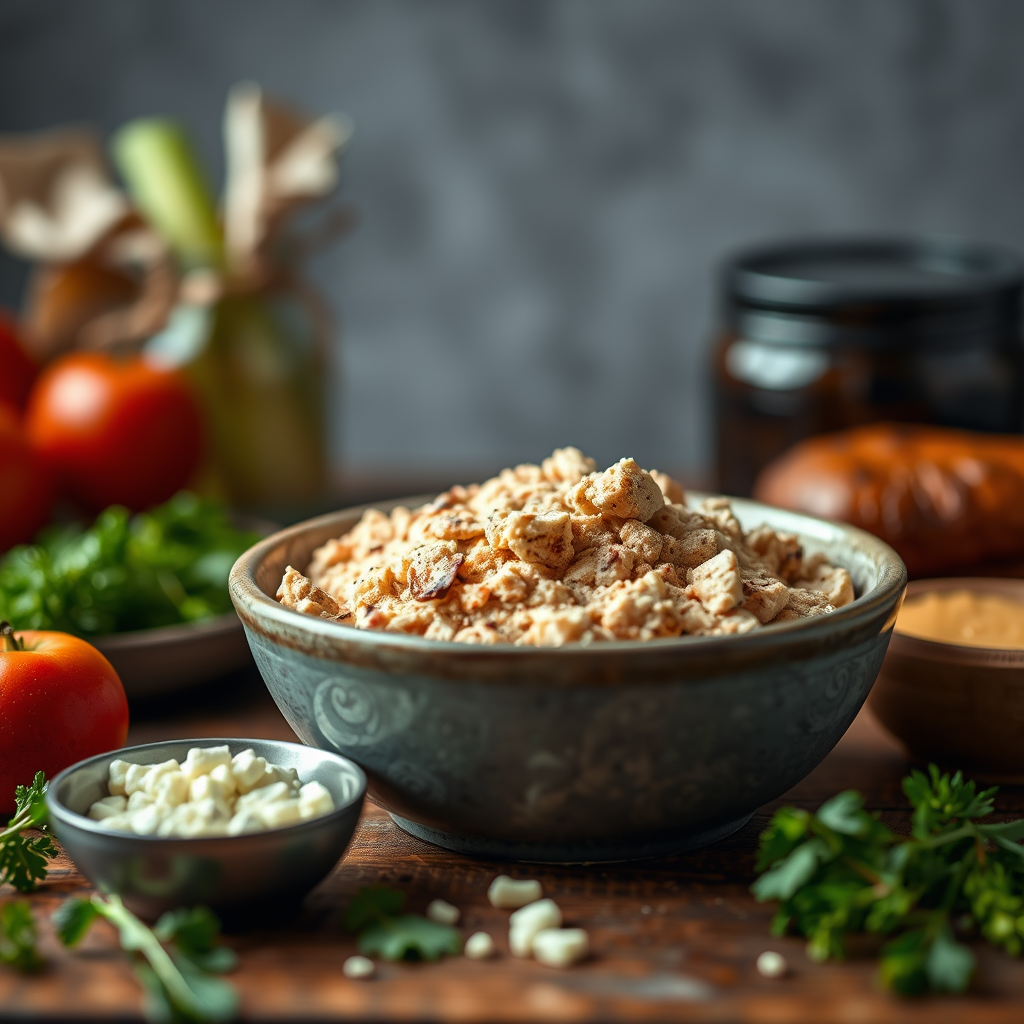
When embarking on a ketogenic diet, not all fats are created equal. Healthy fats should be the cornerstone of your fat intake, and they include options like avocados, nuts, seeds, olive oil, coconut oil, and fatty fish such as salmon and sardines. These fats provide essential fatty acids and nutrients that are crucial for overall health. Avocados, for instance, are rich in monounsaturated fats and potassium, which can help maintain electrolyte balance. Nuts and seeds offer a good source of omega-3 and omega-6 fatty acids, both of which are beneficial for heart health.
Conversely, it is essential to avoid trans fats and highly processed oils, such as margarine and certain vegetable oils (like canola and soybean oil), as these can be detrimental to health. Consuming these unhealthy fats can lead to inflammation and increase the risk of chronic diseases. Instead, prioritize whole food sources of fat that contribute positively to your health and support your ketogenic journey.
Calculating Your Daily Fat Intake
To determine your daily fat intake, the first step is to establish your total daily caloric needs. Once you have that number, you can multiply it by your desired fat percentage—typically 70-80% for a ketogenic diet. For example, if your daily caloric intake is 2,000 calories and you aim to consume 75% of your calories from fat, you would calculate:
2,000 calories x 0.75 = 1,500 calories from fat.
Since there are 9 calories in each gram of fat, you would then divide 1,500 by 9 to find that you need approximately 167 grams of fat per day.
Utilizing a macronutrient calculator or a nutrition app can simplify this process significantly. Many of these tools allow you to input your goals, activity level, and preferences, providing a more personalized approach to your diet. This can help ensure you’re hitting your fat targets while also keeping track of your protein and carbohydrate intake.
Incorporating Fat into Your Meals
Incorporating healthy fats into your meals can be both enjoyable and straightforward. Focus on whole foods that are high in healthy fats. For example, fatty fish like salmon or mackerel can be grilled or baked and served with a side of sautéed spinach in olive oil. Grass-fed meats, which are higher in omega-3 fatty acids compared to conventional meats, can be used in stir-fries or salads. Unsweetened dairy products, such as full-fat yogurt or cheese, can enhance the flavor of various dishes while providing additional fat content.
Experimenting with recipes that emphasize these healthy fats can make your meals more satisfying. For example, a salad topped with a generous amount of avocado, drizzled with olive oil and sprinkled with nuts, not only provides essential nutrients but also adds a rich, satisfying flavor. Smoothies can be enhanced with ingredients like coconut cream or nut butters, which increase fat content while delivering a creamy texture.
Monitoring Your Progress
Tracking your macronutrient intake is key to ensuring you’re meeting your fat goals on a ketogenic diet. Keeping a food diary or utilizing a nutrition app can help you monitor your daily intake of fats, proteins, and carbohydrates. This practice not only helps you stay accountable but also allows you to make adjustments based on your weight loss, energy levels, and overall health.
If you find that you’re not experiencing the desired effects of ketosis—such as increased energy levels or weight loss—consider evaluating your fat intake. It may be necessary to increase your fat consumption or adjust the types of fats you are eating. Remember that the goal is to maintain a state of ketosis, which is best achieved through a consistent and adequate intake of healthy fats.
Common Mistakes to Avoid
While adopting a ketogenic diet, there are several common mistakes that individuals should strive to avoid. One significant error is not consuming enough fat, which can lead to energy dips, irritability, and a failure to achieve ketosis. Ensuring you eat sufficient healthy fats is essential for maintaining energy levels and overall well-being.
Another mistake is relying too heavily on processed keto snacks, which may contain unhealthy fats or added sugars. While these snacks can be convenient, they often undermine the health benefits of a ketogenic diet. Instead, focus on whole foods that naturally provide healthy fats and nutrients. This approach not only supports your ketogenic goals but also promotes long-term health.
The ketogenic diet’s success hinges on the right balance of fat consumption. By understanding how much fat to include in your daily intake and focusing on healthy sources, you can effectively reach and maintain ketosis. Now is the time to evaluate your diet and make adjustments to align with your keto goals!
Frequently Asked Questions
How much fat should I consume on a keto diet?
On a ketogenic diet, the general macronutrient ratio is about 70-75% of your total daily calories from fats. This means if you are consuming 2,000 calories a day, approximately 1400-1500 calories should come from fats, translating to about 155-170 grams of fat. However, individual requirements may vary based on factors such as age, sex, activity level, and specific health goals, so it’s essential to adjust accordingly.
Why is fat intake so high on a keto diet?
The high fat intake on a keto diet is crucial for achieving and maintaining a state of ketosis, where your body primarily burns fat for energy instead of carbohydrates. This shift not only helps in weight loss but also provides sustained energy levels and can improve mental clarity. By consuming a higher percentage of fats, you reduce carbohydrate intake, which is vital for lowering insulin levels and promoting fat burning.
What types of fats are best for a ketogenic diet?
The best types of fats for a ketogenic diet include healthy monounsaturated fats like olive oil and avocados, saturated fats such as coconut oil and grass-fed butter, and omega-3 fatty acids found in fatty fish like salmon and walnuts. These fats not only support ketosis but also promote heart health and provide essential nutrients. Avoid trans fats and highly processed vegetable oils, as they can negatively impact your health.
How can I track my fat intake effectively on a keto diet?
To track your fat intake effectively on a keto diet, consider using a food tracking app like MyFitnessPal or Cronometer, which allows you to log your meals and see macronutrient breakdowns. Additionally, familiarize yourself with the fat content of common foods and read nutrition labels to ensure you’re hitting your fat goals. Keeping a food diary can also help you stay accountable and make adjustments as needed.
Which mistakes should I avoid regarding fat consumption on a keto diet?
Common mistakes to avoid regarding fat consumption on a keto diet include not consuming enough healthy fats, which can lead to inadequate energy levels, and relying too heavily on unhealthy fats like processed oils and trans fats. Additionally, some individuals might mistakenly think they can eat unlimited calories from fats; however, it’s essential to maintain a calorie deficit for weight loss while ensuring that the majority of your calories come from quality fat sources.
References
- Ketogenic diet
- https://www.ncbi.nlm.nih.gov/pmc/articles/PMC6078550/
- https://www.healthline.com/nutrition/what-is-a-keto-diet
- https://www.cdc.gov/healthyweight/healthy_eating/dietary_guidelines.html
- https://www.hsph.harvard.edu/nutritionsource/keto-diet/
- Why am I always hungry? Reasons for hunger even after eating
- https://www.webmd.com/diet/what-is-the-keto-diet
- https://www.nutrition.gov/topics/nutrition-101/understanding-fats
- https://www.mayoclinic.org/healthy-lifestyle/nutrition-and-healthy-eating/expert-answers/keto-diet/faq-20423860