

On a keto diet, you should aim for a fat intake of about 70-75% of your total daily calories. This high-fat consumption is crucial as it enables your body to enter ketosis, a metabolic state where fat becomes the primary fuel source instead of carbohydrates. In this article, we will explore the ideal fat consumption on a keto diet, discuss how to balance it with proteins and carbohydrates, and provide insights for optimal results.
Understanding the Keto Diet’s Macronutrient Ratio
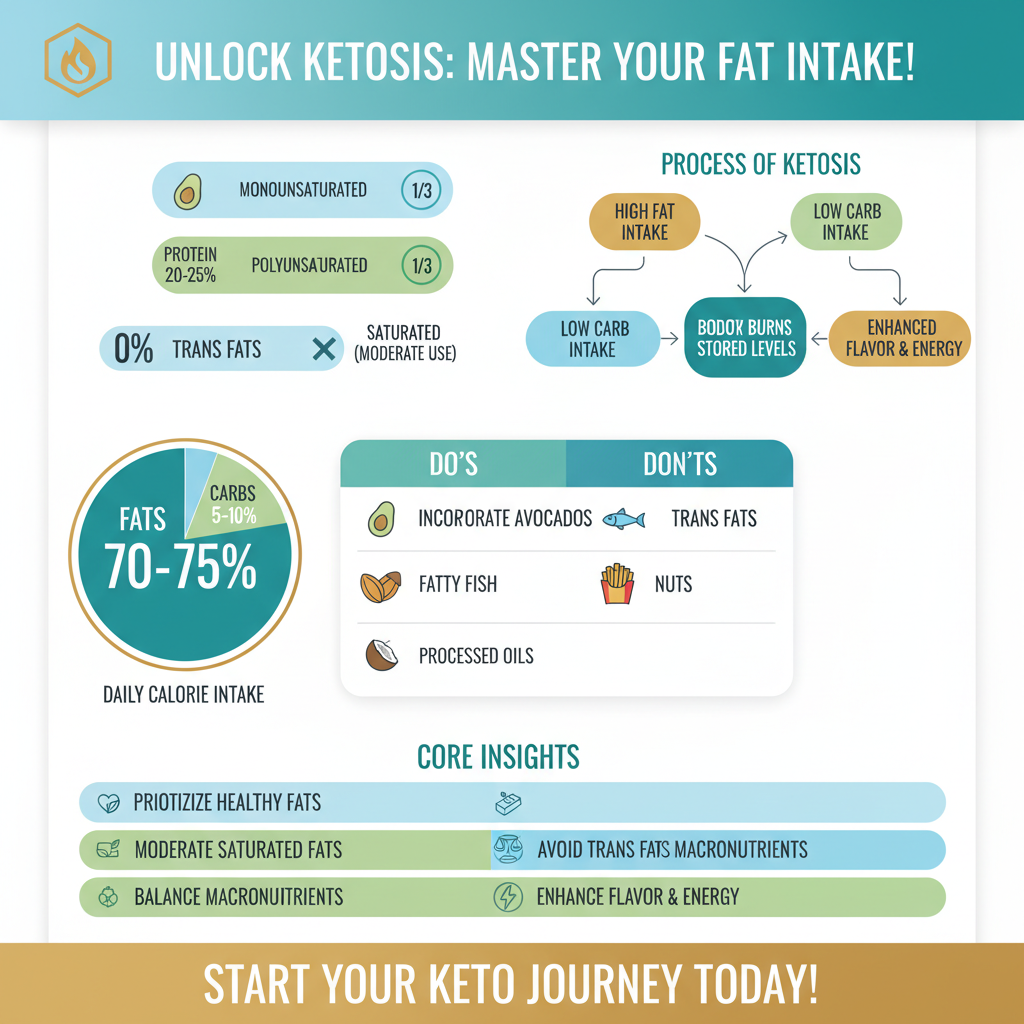
The ketogenic diet is distinctively characterized by its macronutrient breakdown, typically comprising 70-75% fat, 20-25% protein, and a minimal 5-10% carbohydrates. This ratio is intentional; it encourages your body to shift from relying on glucose derived from carbohydrates to burning fat for energy, a process known as ketosis. Achieving and maintaining this unique metabolic state not only promotes efficient fat burning but also offers other health benefits, including improved mental clarity and sustained energy levels.
For individuals considering a keto diet, understanding these macronutrient ratios is essential. The high fat content helps regulate insulin levels, allowing the body to utilize stored fat as a primary energy source. Protein, while also important, should be consumed in moderation to prevent gluconeogenesis—where excess protein is converted into glucose, which can disrupt ketosis.
Types of Fats to Include
When following a ketogenic diet, not all fats are created equal. It is crucial to focus on incorporating healthy fats while minimizing the intake of unhealthy fats.
Healthy fats to prioritize include:
– Monounsaturated Fats: Found in avocados, olive oil, and nuts, these fats are known for their heart health benefits and anti-inflammatory properties.
– Polyunsaturated Fats: Omega-3 and Omega-6 fatty acids found in fatty fish (like salmon), flaxseeds, and walnuts contribute to overall health and can help reduce inflammation.
– Saturated Fats: While often viewed with skepticism, saturated fats from sources like coconut oil and butter can be part of a healthy keto diet when consumed in moderation. They can enhance flavor and provide energy without the rapid spikes in blood sugar.
Conversely, it’s advisable to avoid trans fats and overly processed fats often found in packaged foods and fast foods. These unhealthy fats can lead to increased inflammation and negative health outcomes, potentially counteracting the benefits sought through a ketogenic lifestyle.
Calculating Your Daily Fat Needs
To effectively calculate your daily fat intake on a keto diet, start by determining your total daily caloric intake, which can vary based on factors such as age, sex, weight, and activity level. Once you know your caloric needs, apply the ratio of 70% fat to derive the amount of fat you should consume.
For example, if your daily caloric intake is 2,000 calories, you will want to derive approximately 1,400 calories from fat. Since each gram of fat contains 9 calories, you can calculate your fat intake by dividing 1,400 by 9, which results in roughly 155 grams of fat per day.
To ensure that you are meeting your fat goals, consider employing tracking tools or apps that allow you to log your food intake. This will help you stay accountable and make adjustments as necessary to suit your body’s needs.
Common Misconceptions About Fat on Keto
Despite the growing popularity of the keto diet, several misconceptions about fat consumption persist. One of the primary fears is that a high fat intake will inevitably lead to weight gain. However, numerous studies indicate that ketogenic diets can promote weight loss, primarily due to the satiating nature of fats and the body’s enhanced ability to burn fat for energy in ketosis.
Another prevalent misconception is the assumption that all fats are equal. It’s vital to distinguish between healthy fats and unhealthy processed fats. Emphasizing the former while avoiding the latter is essential for achieving the desired health outcomes on a ketogenic diet.
Additionally, some individuals may believe that a keto diet does not allow for any carbohydrates. While it’s true that carbohydrate intake is significantly reduced, a small amount of healthy carbs, such as leafy greens and low-carb vegetables, can be beneficial for overall health and should not be entirely eliminated.
Monitoring Your Progress
Monitoring your macronutrient intake is key to adhering to a successful keto diet. Utilize food diaries or digital apps to keep track of your daily consumption of fats, proteins, and carbohydrates. This practice not only ensures that you are meeting your fat intake goals but also allows you to observe how your body responds to the diet.
Pay attention to various indicators of progress, such as changes in energy levels, weight fluctuations, and overall well-being. If you notice a lack of energy or minimal weight loss, it may be necessary to reevaluate your fat intake and adjust accordingly. Regular assessments can help you fine-tune your diet for the best results.
Tips for Success on a High-Fat Diet
To thrive on a high-fat diet, consider the following tips:
– Meal Prep: Plan and prepare your meals in advance to ensure you have keto-friendly options readily available. This can help you resist the temptation of high-carb convenience foods.
– Explore Recipes: Experiment with a variety of recipes that incorporate healthy fats. From avocado smoothies to coconut curry dishes, finding enjoyable meals can keep you motivated and satisfied.
– Stay Hydrated: Adequate hydration is essential on a keto diet, as the body tends to excrete more water and electrolytes in ketosis. Ensure you are drinking enough water and consider supplementing with electrolytes if necessary.
– Seek Support: Joining a community or online group focused on the keto lifestyle can provide you with encouragement, recipe ideas, and tips for overcoming challenges.
By incorporating these strategies into your routine, you can enhance your chances of successfully maintaining a high-fat intake while enjoying the benefits of a ketogenic lifestyle.
Maintaining the right fat intake on a keto diet is essential for effective weight loss and overall health. By focusing on healthy fat sources, understanding your macronutrient needs, and monitoring your progress, you can successfully fuel your body in ketosis. Start tracking your intake today to experience the numerous benefits of a well-balanced keto lifestyle.
Frequently Asked Questions
How much fat should I consume on a keto diet?
On a standard ketogenic diet, about 70-75% of your total daily caloric intake should come from fat. This typically translates to around 150-200 grams of fat per day for someone consuming a 2,000-calorie diet. It’s essential to focus on healthy fats, such as avocados, nuts, seeds, olive oil, and fatty fish, to ensure you meet your nutritional needs while staying in ketosis.
Why is fat so important in a keto diet?
Fat is crucial in a keto diet because it serves as the primary source of energy when carbohydrate intake is minimized. By replacing carbs with fats, your body enters a state of ketosis, where it efficiently burns fat for fuel. This shift can lead to various benefits, including improved mental clarity, weight loss, and better blood sugar control.
What types of fats are best for a keto diet?
The best types of fats for a keto diet include monounsaturated fats, saturated fats, and omega-3 fatty acids. Incorporate sources like avocados, olive oil, coconut oil, butter, and fatty fish such as salmon. Avoid trans fats and limit polyunsaturated fats from processed sources to maintain optimal health while following a ketogenic lifestyle.
How can I calculate my fat intake for a keto diet?
To calculate your fat intake for a keto diet, start by determining your daily caloric needs using a TDEE calculator. Then, multiply that number by 0.7 to 0.75 to find your target caloric intake from fat. Since each gram of fat provides 9 calories, divide your target fat calories by 9 to get the number of grams of fat you should aim for each day.
What happens if I don’t eat enough fat on a keto diet?
If you don’t consume enough fat on a keto diet, your body may struggle to enter or maintain ketosis, leading to symptoms like fatigue, brain fog, and increased cravings for carbohydrates. Insufficient fat intake can also hinder weight loss and overall energy levels, making it essential to ensure you are meeting your fat macro goals to reap the full benefits of the ketogenic lifestyle.
References
- Ketogenic diet
- The Ketogenic Diet: A Detailed Beginner’s Guide to Keto
- https://www.ncbi.nlm.nih.gov/pmc/articles/PMC5852755/
- https://www.cdc.gov/healthyweight/assessing/bmi/adult_bmi/index.html
- https://www.nutrition.gov/topics/nutrition-health/healthy-eating/low-carb-diets
- https://www.mayoclinic.org/healthy-lifestyle/nutrition-and-healthy-eating/expert-answers/keto-diet/faq-20492977
- https://www.hsph.harvard.edu/nutritionsource/what-should-you-eat/low-carb-diets/
- https://www.nutrition.org.uk/healthyliving/basics/fats.html