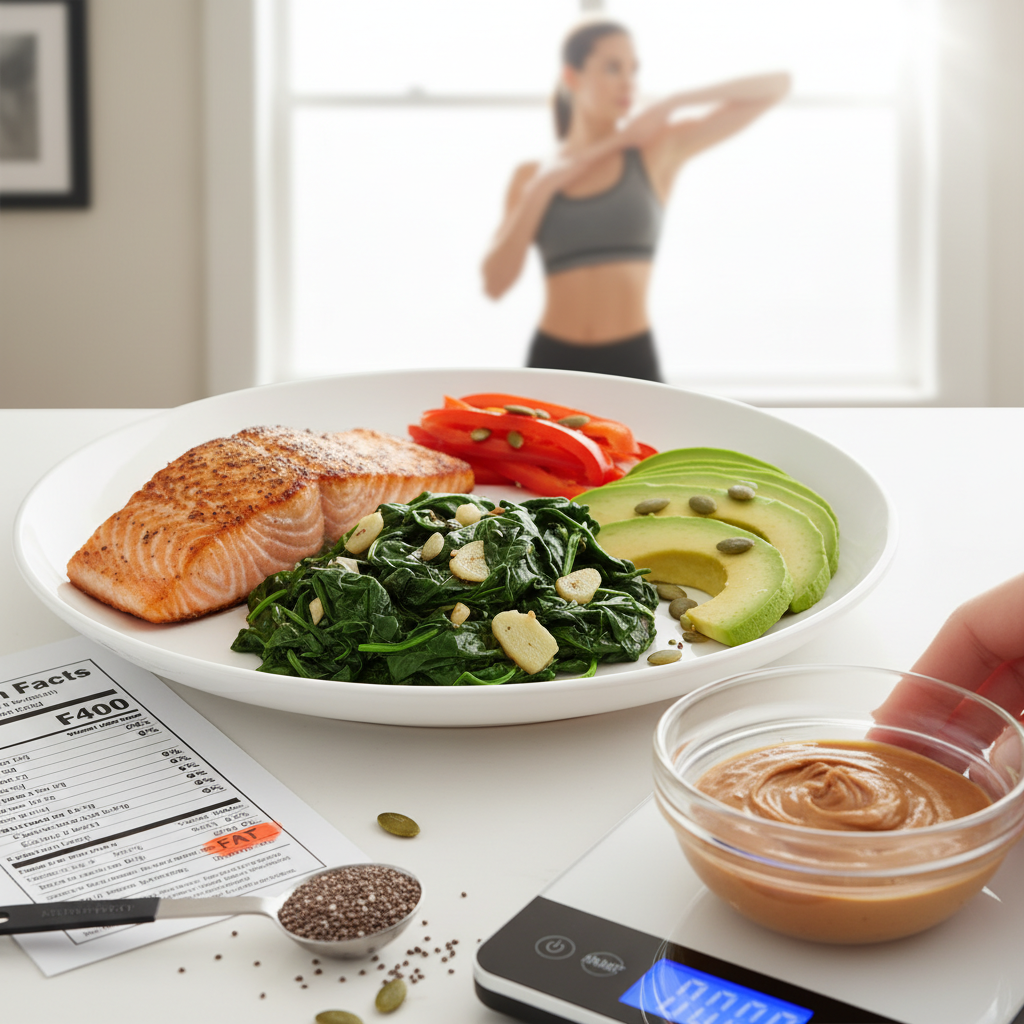

The keto diet typically requires a daily fat intake of about 70-80% of your total calories, translating to approximately 150-200 grams of fat for most people. This high-fat approach is crucial for achieving and maintaining ketosis, where your body burns fat for fuel instead of carbohydrates. In this article, we’ll explore the specifics of fat intake on the keto diet, how to calculate your needs, and tips to ensure you’re on track.
Understanding the Keto Diet

The keto diet is a low-carb, high-fat eating plan designed to induce ketosis, a metabolic state in which the body becomes highly efficient at burning fat for energy. By significantly reducing carbohydrate intake and replacing it with fat, the body shifts its primary energy source from glucose to ketones, which are produced from fat. This dietary strategy generally comprises about 70-75% fat, 20-25% protein, and 5-10% carbohydrates. The high-fat ratio not only helps to achieve ketosis but also promotes satiety, making it easier to consume fewer calories, which can be beneficial for weight loss. Understanding the macronutrient composition of the keto diet is essential for anyone looking to effectively implement this dietary strategy for health and wellness.
Calculating Your Daily Fat Needs
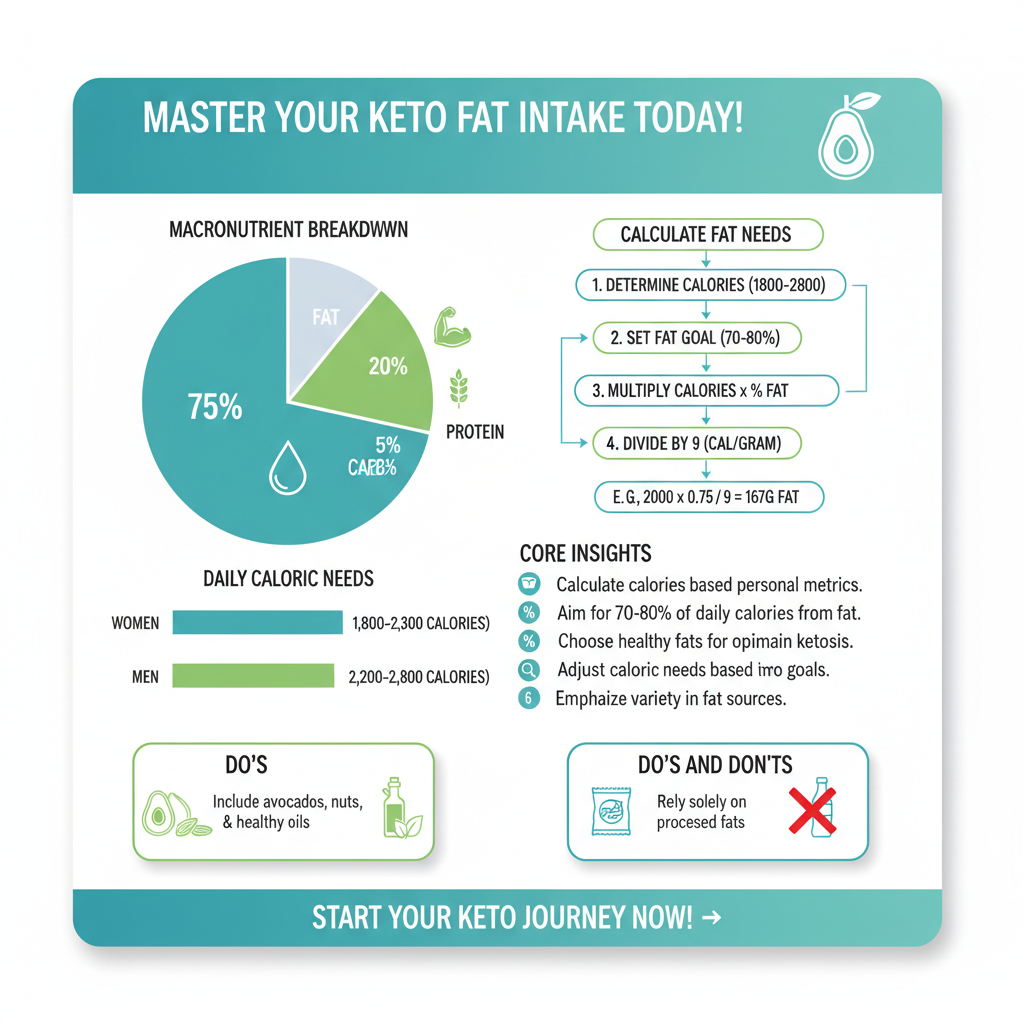

To determine your daily fat intake on a keto diet, you first need to establish your overall daily caloric needs, which vary based on factors such as age, sex, weight, height, and activity level. For example, an average adult woman may require about 1,800-2,200 calories per day for maintenance, while an average adult male may need 2,200-2,800 calories. Once you have this number, you can calculate your fat intake by applying the recommended fat percentage (70-80%).
For instance, if your daily caloric needs are 2,000 calories, aiming for 75% of those calories from fat would mean consuming 1,500 calories from fat. Since there are 9 calories per gram of fat, you would divide 1,500 by 9, resulting in approximately 167 grams of fat per day. Adjust your caloric intake as needed based on your weight loss or maintenance goals, ensuring you consistently stick to the recommended fat ratio for a successful keto diet.
Types of Fats to Include
Not all fats are created equal, and selecting the right types of fats is crucial for optimizing your health on a keto diet. Focus on including healthy fats that not only provide energy but also support overall well-being. Examples of healthy fats include:
– Avocados: Rich in monounsaturated fats, fiber, and potassium, avocados are an excellent choice for keto dieters.
– Nuts and Seeds: Almonds, walnuts, chia seeds, and flaxseeds are high in healthy fats, protein, and essential nutrients.
– Olive Oil: Extra virgin olive oil is a staple in the Mediterranean diet and is renowned for its heart-healthy properties.
– Coconut Oil: This oil contains medium-chain triglycerides (MCTs), which can be quickly converted into ketones for energy.
– Fatty Fish: Salmon, mackerel, and sardines are not only high in omega-3 fatty acids but also provide a good source of protein.
Conversely, it is important to limit unhealthy fats, such as trans fats found in processed foods and hydrogenated oils, as these can lead to inflammation and other health issues. Prioritizing quality fats over quantity can enhance your keto experience and promote better health outcomes.
Tracking Your Fat Intake
To ensure you are meeting your fat intake goals on the keto diet, tracking your daily consumption is essential. Utilizing apps such as MyFitnessPal or Cronometer can simplify this process, allowing you to log your meals and see your macronutrient breakdown in real time. These tools not only help in monitoring fat intake but also assist in keeping track of protein and carbohydrate consumption.
Additionally, maintaining a food diary can be beneficial for those who prefer a more hands-on approach. Documenting your meals can help you recognize patterns in your eating habits and make necessary adjustments. Always keep an eye on portion sizes and aim to choose nutrient-dense foods that provide a high ratio of healthy fats, which will help you reach your fat goals without excess calories.
Common Mistakes to Avoid
As with any dietary plan, there are common pitfalls that individuals may encounter while following a keto diet. One major mistake is neglecting protein intake. While the focus on fat is vital, it is equally important to maintain a moderate protein intake to support muscle health and overall bodily functions. Aim for a protein intake that comprises about 20-25% of your total calories.
Another common error is over-relying on unhealthy fats. While it can be tempting to consume large quantities of any fat to reach your macros, prioritizing quality over quantity is essential for overall health. Focus on incorporating whole food sources of fats and avoid processed options that may contain harmful additives and preservatives.
Adjusting Fat Intake for Your Lifestyle
Your daily fat intake should not be static; instead, it should be adjusted based on your lifestyle, activity level, and metabolic rate. For instance, if you engage in regular physical activity, you may require slightly higher fat intake to fuel your workouts and recovery. Conversely, if you become more sedentary or are aiming for weight loss, you might consider lowering your fat intake slightly while still adhering to the keto guidelines.
Listening to your body’s hunger cues is also paramount in finding the right balance. Some individuals may feel satisfied and energized with fewer grams of fat, while others may require more to feel satiated. Be flexible and willing to adjust your fat intake as needed to optimize your personal keto experience.
The keto diet emphasizes a high-fat intake to achieve effective weight loss and health benefits. By understanding how to calculate your fat needs and making informed food choices, you can successfully navigate your keto journey. Start by assessing your daily caloric needs and gradually incorporate healthy fats into your meals for optimal results. Remember to track your intake, avoid common mistakes, and adjust your fat consumption based on your lifestyle to maximize the benefits of this dietary approach.
Frequently Asked Questions
How many grams of fat should I consume daily on a keto diet?
On a ketogenic diet, fat typically constitutes about 70-80% of your total daily caloric intake. For most people, this translates to roughly 150-200 grams of fat per day, depending on individual caloric needs, body weight, and activity level. It’s essential to focus on healthy fat sources, such as avocados, nuts, seeds, and olive oil, to meet your daily fat requirements while maintaining overall health.
What are the consequences of not getting enough fat on a keto diet?
Not consuming enough fat on a keto diet can hinder your ability to enter or maintain ketosis, the metabolic state where your body burns fat for fuel instead of carbohydrates. Insufficient fat intake can lead to increased cravings for carbs, fatigue, and reduced energy levels, making it challenging to stick to the diet. Additionally, inadequate fat may result in nutrient deficiencies, particularly in essential fatty acids that are vital for overall health.
Why is high fat intake important for the success of a keto diet?
High fat intake is crucial for the success of a keto diet because it shifts your body’s primary energy source from carbohydrates to fats. This metabolic shift allows for efficient fat burning and can help with weight loss while also promoting mental clarity and stable energy levels. Furthermore, dietary fats play a significant role in hormone regulation and nutrient absorption, which are essential for maintaining overall health during a low-carb lifestyle.
Which types of fats are best for a ketogenic diet?
The best types of fats for a ketogenic diet include monounsaturated fats, saturated fats, and omega-3 fatty acids. Foods like avocados, olive oil, coconut oil, butter, and fatty fish provide healthy sources of these fats. It’s important to avoid trans fats and highly processed oils, as they can negatively impact your health and disrupt your keto goals.
How can I track my fat intake effectively on a keto diet?
To track your fat intake effectively on a keto diet, consider using mobile apps or websites designed for nutrition tracking, such as MyFitnessPal or Cronometer. These tools allow you to log your meals, calculate your macronutrient ratios, and ensure you’re meeting your daily fat goals. Additionally, keeping a food journal can help you stay accountable and make informed choices about your fat consumption throughout the day.
References
- Ketogenic diet
- https://www.ncbi.nlm.nih.gov/pmc/articles/PMC7070207/
- The Ketogenic Diet: A Detailed Beginner’s Guide to Keto
- https://www.webmd.com/diet/obesity/what-is-a-ketogenic-diet
- https://www.mayoclinic.org/healthy-lifestyle/nutrition-and-healthy-eating/expert-answers/keto-diet/faq-20419693
- https://www.verywellfit.com/what-is-the-ketogenic-diet-5111769
- https://www.cdc.gov/healthyweight/assessing/bmi/adult_bmi/english_bmi_calculator/bmi_calculator.html
- https://pubmed.ncbi.nlm.nih.gov/31517195/
- Frontiers | Microcarriers for Upscaling Cultured Meat Production