

The ideal carbohydrate intake for women on a keto diet typically ranges from 20 to 50 grams per day. This low carb allowance is crucial for achieving and maintaining a state of ketosis, which promotes efficient fat burning while minimizing fluctuations in blood sugar levels. In this article, we will delve deeper into the specifics of carb intake for women on a keto diet, the various factors that influence individual needs, and practical strategies for ensuring success on this dietary journey.
Understanding the Keto Diet

The ketogenic diet is a high-fat, low-carbohydrate eating plan designed to shift the body’s metabolism from relying on carbohydrates to utilizing fats as its primary energy source. This is achieved by drastically reducing carbohydrate intake and replacing it with healthy fats. When the body is deprived of carbohydrates, it enters a metabolic state known as ketosis, where it begins to break down fat into ketones for energy. This process not only aids in weight loss but also has been shown to have therapeutic benefits for various health conditions, including epilepsy, type 2 diabetes, and certain neurological diseases. Understanding the mechanics of ketosis is crucial for women embarking on a keto journey, as it lays the groundwork for how to properly manage their carb intake.
Recommended Carb Intake for Women
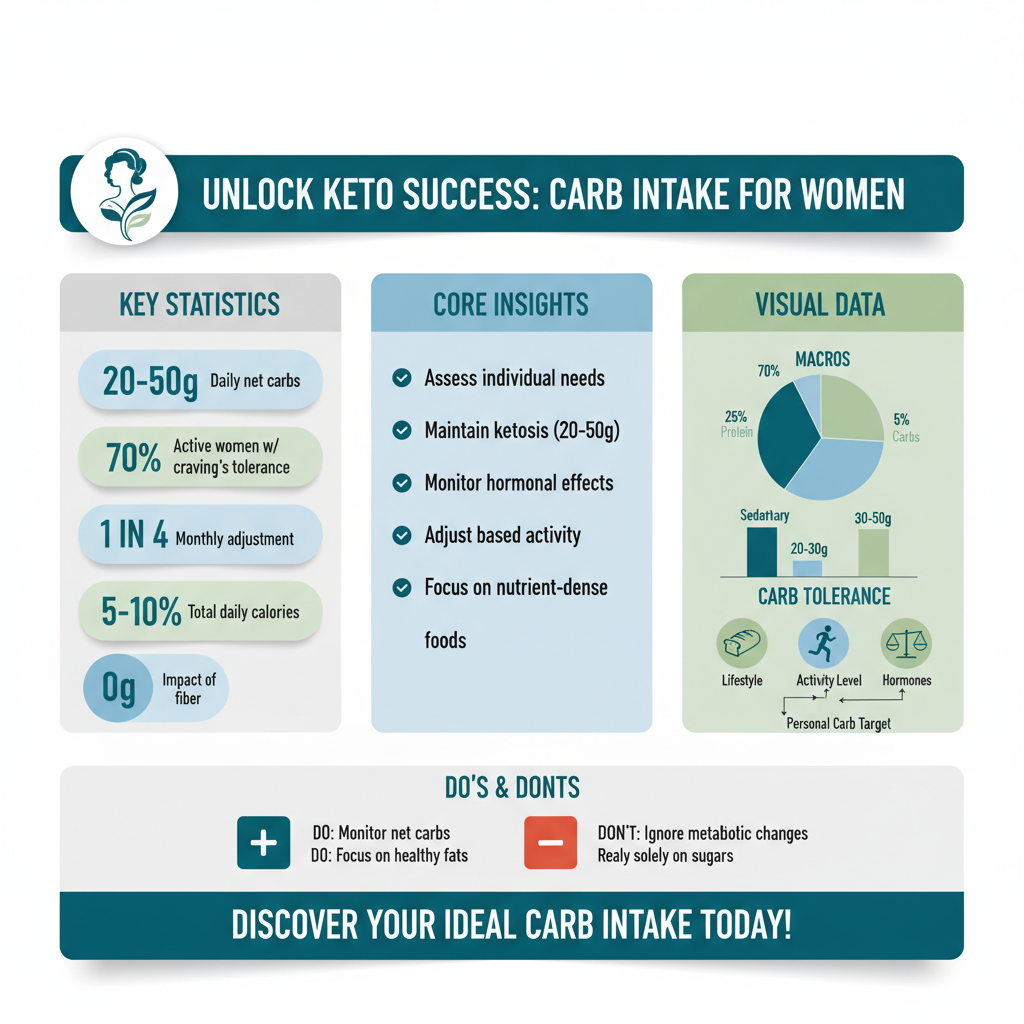
For most women, the recommended daily intake of net carbohydrates on a ketogenic diet falls between 20 and 50 grams. This range is sufficient for entering and sustaining ketosis while allowing for a variety of nutrient-dense foods. Net carbs are calculated by subtracting fiber and certain sugar alcohols from total carbohydrates, as these components have minimal impact on blood sugar levels. However, individual carbohydrate needs can vary significantly based on several factors, including age, activity level, metabolism, and specific weight loss or health goals. For example, a physically active woman may be able to tolerate a higher carb intake while still maintaining ketosis compared to someone who leads a more sedentary lifestyle. Therefore, it’s crucial for each woman to assess her unique circumstances when determining her optimal carb intake.
Factors Influencing Carb Needs
Several factors can influence the amount of carbohydrates a woman can consume while remaining in ketosis. Hormonal changes, particularly those associated with menstruation, pregnancy, or menopause, can impact carbohydrate tolerance and energy levels. For instance, many women experience cravings for carbohydrates during their menstrual cycle due to hormonal fluctuations. Additionally, lifestyle factors such as physical activity play a significant role; women who engage in regular high-intensity workouts may require slightly more carbohydrates to fuel their performance and recover effectively without compromising their state of ketosis. Understanding these variables can help women better tailor their keto diet to their personal needs, ensuring both adherence and effectiveness.
Tracking Carbohydrate Intake
To successfully manage carbohydrate consumption on a keto diet, tracking is essential. Utilizing apps or keeping a food diary can be beneficial for monitoring daily carb intake and ensuring it remains within the target range. Many popular apps, such as MyFitnessPal and Carb Manager, allow users to log their meals and provide in-depth nutritional information. It’s important to focus on net carbs, as this gives a clearer picture of carbohydrate impact on blood sugar levels. By accurately tracking what you eat, you can identify patterns, assess your carb tolerance, and make adjustments as needed to stay in ketosis.
Best Low-Carb Foods for Women
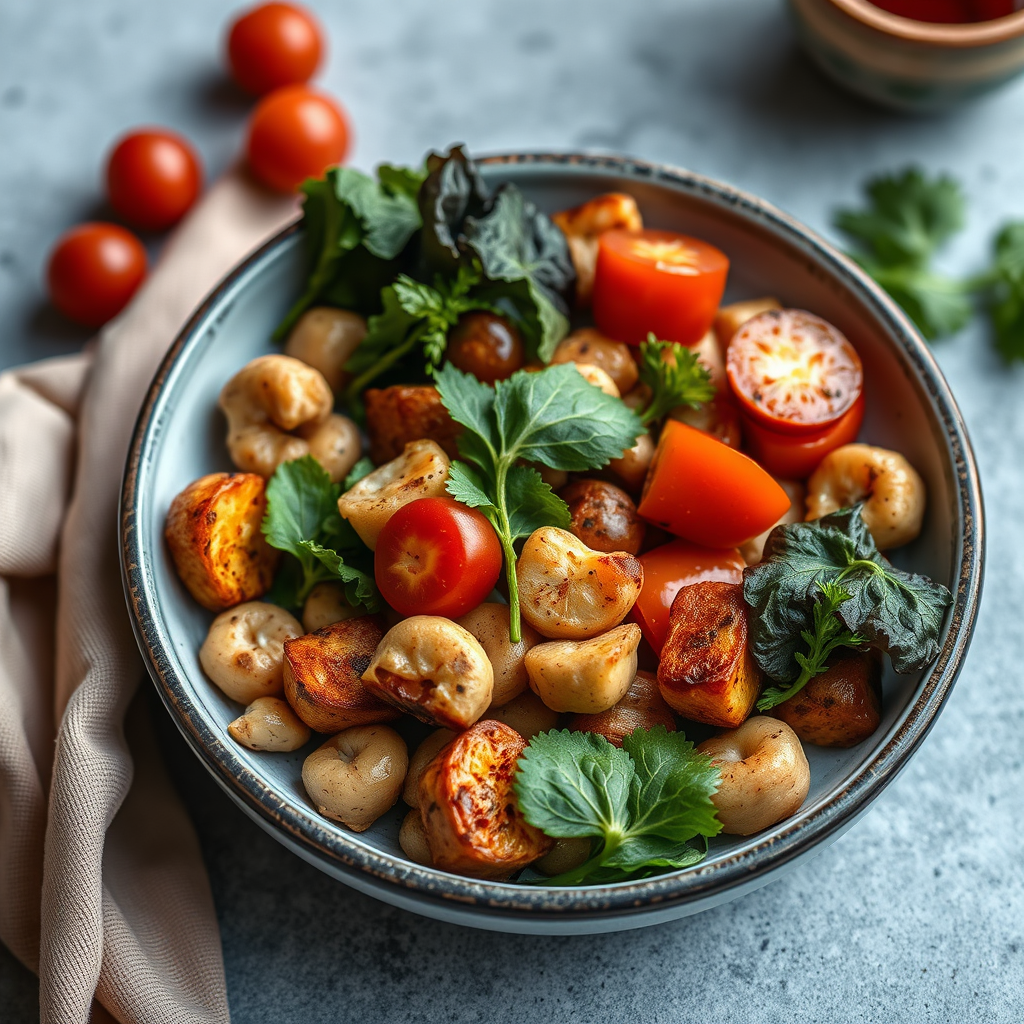
Incorporating a variety of low-carb foods is vital for a successful keto diet. Women should focus on non-starchy vegetables such as leafy greens, broccoli, and cauliflower, which provide essential vitamins and minerals without excess carbohydrates. Healthy fats should also be a staple; sources like avocados, olive oil, nuts, and seeds are not only nutrient-dense but can also help keep you satiated. Protein is equally important, with options like fish, poultry, and eggs being excellent choices. It’s crucial to avoid high-carb foods, including grains, sugars, and starchy vegetables, as these can quickly derail your ketosis efforts. By making informed food choices, women can enjoy a satisfying and varied diet while adhering to their carb limits.
Common Keto Mistakes to Avoid
As women navigate the complexities of a ketogenic diet, there are several common mistakes to be aware of to avoid hindering progress. One of the most significant pitfalls is overestimating carb allowances; even small amounts of hidden sugars or high-carb foods can impact ketosis, so consistent tracking and discipline are key. Another frequent error is focusing solely on fat intake without considering protein needs. While fat is the primary macronutrient on a keto diet, adequate protein is essential for muscle preservation, especially if weight loss is a goal. Neglecting protein can lead to muscle loss and negatively affect metabolic health. By being mindful of these common mistakes, women can enhance their keto journey and achieve better results.
Tips for Success on a Keto Diet
To maximize the benefits of a keto diet, women can implement several strategies for success. First, consider gradually reducing carbohydrate intake over a period of days or weeks, which can help minimize side effects often referred to as the “keto flu,” including fatigue, headaches, and irritability. Staying well-hydrated is also crucial, as a ketogenic diet can lead to increased water loss. Moreover, incorporating electrolyte supplementation—such as sodium, potassium, and magnesium—can support energy levels and overall health during the transition to ketosis. Finally, seeking support from online communities or local groups can provide encouragement and accountability, making the keto journey more manageable and enjoyable.
Maintaining a keto diet as a woman involves understanding your specific carbohydrate needs and how they align with your lifestyle and goals. By following the guidelines outlined in this article, you can effectively manage your carb intake and thrive on your keto journey. For further support, consider consulting with a nutritionist specializing in ketogenic diets, as they can help tailor a plan that best suits your individual needs and preferences.
Frequently Asked Questions
How many carbs should a woman consume on a keto diet to stay in ketosis?
For women on a ketogenic diet, the typical carbohydrate intake to maintain ketosis is around 20 to 50 grams of net carbs per day. This low carb intake helps the body shift from using glucose as its primary fuel source to utilizing fat for energy. It’s important to monitor your individual response and adjust your carb limit based on personal factors such as activity level and metabolic rate.
Why is it important for women to limit carbs on a keto diet?
Limiting carbohydrates on a keto diet is crucial because it encourages the body to enter a state of ketosis, where it burns fat for fuel instead of carbohydrates. For women, this can lead to weight loss, improved energy levels, and better mental clarity. Additionally, a lower carb intake can help stabilize blood sugar levels, which is particularly beneficial for those with insulin sensitivity.
What are some low-carb foods that women can eat on a keto diet?
Women following a keto diet can enjoy a variety of low-carb foods, including leafy greens like spinach and kale, non-starchy vegetables such as broccoli and cauliflower, healthy fats like avocados and olive oil, and protein sources like eggs, fish, and poultry. Incorporating these foods not only helps meet the carb restrictions but also ensures that you’re receiving essential nutrients while maintaining a balanced diet.
How can women effectively track their carb intake on a keto diet?
To effectively track carb intake on a keto diet, women can use food tracking apps such as MyFitnessPal or Carb Manager, which allow users to log meals and monitor net carbs consumed daily. Additionally, reading nutrition labels and understanding serving sizes is vital for accurate tracking. Keeping a food diary can also help identify patterns and make adjustments as needed to stay within the desired carb range.
Which common mistakes should women avoid when starting a keto diet?
Common mistakes women should avoid when starting a keto diet include consuming too many hidden carbs found in processed foods, not eating enough healthy fats, and neglecting to hydrate adequately. It’s also crucial to avoid focusing solely on weight loss; instead, prioritize overall health and well-being. Educating oneself about the keto diet and planning meals in advance can help mitigate these pitfalls and promote sustainable success.
References
- https://www.ncbi.nlm.nih.gov/pmc/articles/PMC6835550/
- https://www.health.harvard.edu/staying-healthy/the-ketogenic-diet
- https://www.cdc.gov/healthyweight/healthy_eating/dietary_guidelines.html
- https://www.ncbi.nlm.nih.gov/pmc/articles/PMC6520720/
- https://www.webmd.com/diet/what-is-the-ketogenic-diet
- Ketogenic.com | Start, Succeed & Sustain a Keto Diet
- https://www.mayoclinic.org/healthy-lifestyle/nutrition-and-healthy-eating/expert-answers/keto-diet/faq-20448845