

In a ketogenic diet, you are typically allowed to consume about 20 to 50 grams of carbohydrates per day to effectively enter and maintain ketosis. This low carb intake is crucial because it encourages your body to shift from using glucose as its primary energy source to burning fat instead. In this article, you’ll learn more about the carb limits on keto, how to count them effectively, and tips for success.
Understanding the Keto Carb Limit

The ketogenic diet is designed around a very low carbohydrate intake. The standard recommendation for those following this diet is to limit net carbohydrates to between 20 and 50 grams per day. Net carbs are determined by subtracting dietary fiber and certain sugar alcohols from the total carbohydrate count. This method is essential because fiber does not significantly impact blood sugar levels and therefore does not interfere with ketosis.
For instance, if a food item has 10 grams of total carbohydrates and 5 grams of fiber, the net carbs would be 5 grams. This calculation is fundamental for individuals seeking to maintain or achieve ketosis, as it allows for the consumption of fiber-rich foods while still adhering to carb limits. Understanding this concept is pivotal for anyone embarking on a ketogenic lifestyle, as it provides clarity on how to approach food choices.
Importance of Staying Within Carb Limits
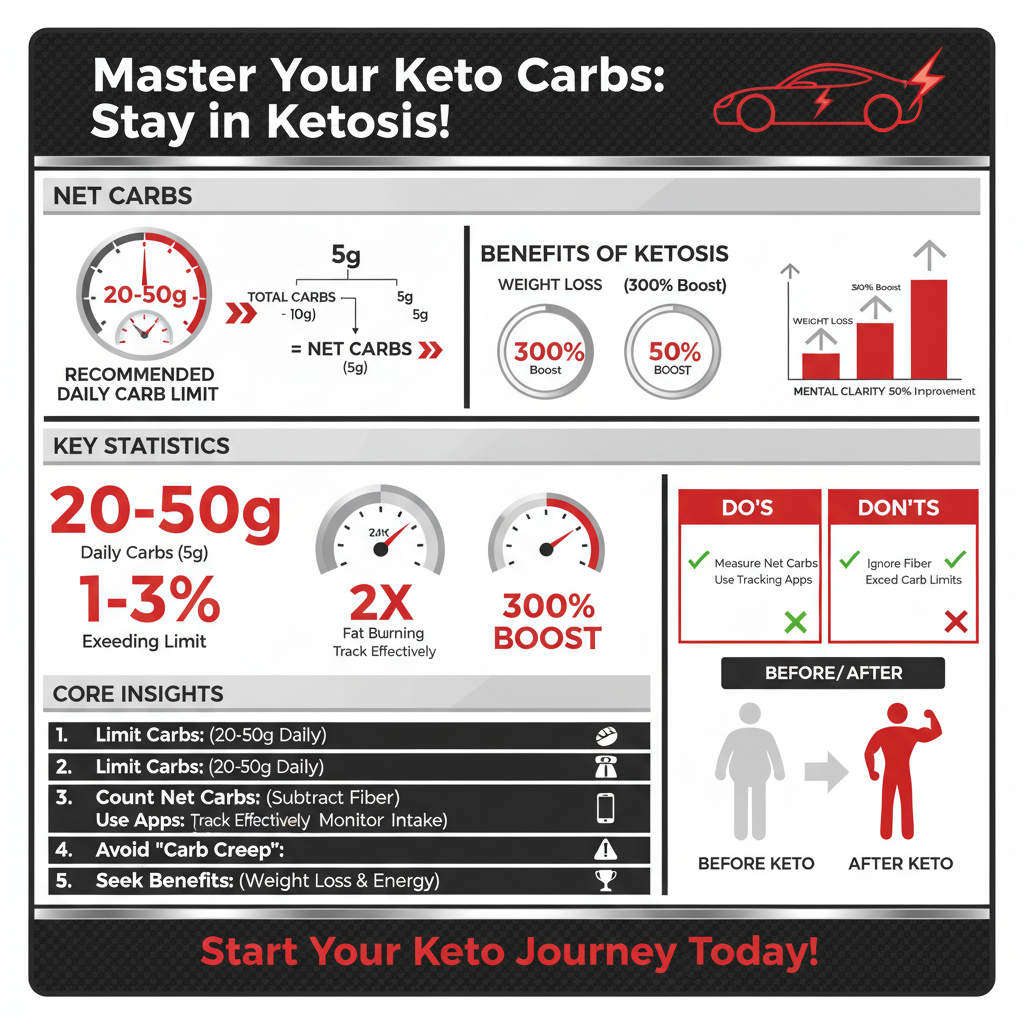

Staying within the prescribed carb limits on a ketogenic diet is crucial for maintaining ketosis, the metabolic state where fat becomes the primary fuel source. When carbohydrate intake exceeds the limit, the body tends to revert back to burning glucose, which can stall weight loss efforts and diminish the benefits of the diet.
Research has shown that ketosis promotes fat burning, potentially leading to significant weight loss and improved metabolic health. Moreover, maintaining ketosis can enhance mental clarity and energy levels. Conversely, exceeding carb limits can cause symptoms of “carb creep,” where individuals unintentionally increase their carb intake, leading to a return to reliance on glucose for energy. Therefore, adherence to the carb limits is not just about weight loss; it is integral to reaping the full benefits of a ketogenic diet.
How to Count Carbs on Keto
Effectively counting carbohydrates is a fundamental skill for anyone on a ketogenic diet. One of the most efficient ways to monitor your daily carb intake is by using food tracking apps such as MyFitnessPal, Cronometer, or Carb Manager. These apps allow you to log your meals and keep a close watch on your macronutrient ratios, providing real-time feedback on your carb consumption.
Additionally, becoming familiar with common high-carb foods is essential for avoiding pitfalls. Foods to avoid include bread, pasta, rice, sugary snacks, and most fruits, as these can quickly add up in terms of carbohydrate content. Learning to read nutrition labels can also empower you to make more informed choices. For example, a single medium banana contains approximately 27 grams of carbs, which may take up a significant portion of your daily allowance.
Types of Carbs: Good vs. Bad
Understanding the difference between good and bad carbohydrates is vital for sustaining a successful ketogenic diet. Focus on incorporating fiber-rich and non-starchy vegetables into your meals as they provide essential nutrients while keeping net carb counts low. Examples include leafy greens, broccoli, cauliflower, zucchini, and bell peppers. These foods are not only low in carbs but are also packed with vitamins, minerals, and antioxidants that contribute to overall health.
Conversely, you should limit or completely avoid grains, sugars, and processed foods, as these tend to be high in carbohydrates and low in nutritional value. Foods like white bread, pastries, soda, and candy can quickly derail your efforts to stay within carb limits. Instead, consider using alternatives such as almond flour or coconut flour for baking, which are lower in carbs and can help satisfy cravings without compromising dietary goals.
Adjusting Carb Intake for Individual Needs
It is important to recognize that individual carbohydrate tolerance can vary significantly among people. Factors such as age, sex, metabolic health, and activity level can influence how many carbs one can consume while still remaining in ketosis. Some individuals may thrive on fewer than 20 grams of carbs per day, while others might find that they can comfortably consume closer to 50 grams without exiting ketosis.
For those who engage in regular high-intensity exercise, their carbohydrate needs might be slightly higher due to increased energy expenditure. Conversely, individuals with a more sedentary lifestyle may need to be more stringent with their carb intake. Therefore, it is advisable to experiment with your carb limits while closely monitoring your body’s responses to find the balance that works best for you.
Tips for Success on a Keto Diet
Successfully adhering to a ketogenic diet often requires strategic planning and preparation. Meal prepping with low-carb recipes is an effective way to ensure you stay on track and avoid impulse eating. Preparing meals in advance allows you to control the ingredients and portion sizes, making it easier to stick to your carb limits.
Additionally, experimenting with keto-friendly substitutes can help satisfy cravings for high-carb foods without deviating from your dietary goals. For example, if you crave pasta, consider using zucchini noodles or shirataki noodles as a low-carb alternative. Similarly, cauliflower can be used to create a delicious pizza crust or mashed potatoes.
Engaging in online communities or forums can also provide motivation and support as you navigate your keto journey. Sharing recipes, tips, and experiences with others can enhance your commitment and help you overcome challenges.
Summarizing your carb limit on a ketogenic diet is crucial for achieving your health goals. By focusing on low-carb, high-fat foods and understanding how to count carbs, you can effectively maintain ketosis. Ready to start your keto journey? Begin by tracking your carb intake today!
Frequently Asked Questions
How many carbs can I eat on a keto diet?
On a ketogenic diet, the typical guideline is to limit carbohydrate intake to about 20 to 50 grams of net carbs per day. This restriction helps the body reach a state of ketosis, where it burns fat for fuel instead of carbohydrates. It’s important to focus on net carbs, which are calculated by subtracting fiber and certain sugar alcohols from total carbohydrates.
Why is it important to limit carbs on a keto diet?
Limiting carbohydrates is crucial on a keto diet because it encourages the body to enter ketosis, a metabolic state that burns fat for energy. High carbohydrate consumption can hinder this process, preventing weight loss and reducing the potential health benefits associated with ketosis, such as improved energy levels and better mental clarity.
What are some low-carb foods I can include in my keto diet?
To maintain a low-carb intake on a keto diet, focus on foods such as leafy greens (spinach, kale), non-starchy vegetables (broccoli, cauliflower), healthy fats (avocados, olive oil), and protein sources (meat, fish, eggs). Incorporating nuts and seeds can also provide healthy fats while keeping carb counts low, making it easier to stay within your daily carb limit.
How can I track my carb intake on a keto diet effectively?
Effectively tracking your carb intake on a keto diet can be accomplished by using mobile apps or food diaries that allow you to log meals and calculate net carbs. Additionally, familiarize yourself with food labels to understand the carb content in foods you consume. Keeping a consistent record will help you stay within your target carb range and maintain ketosis.
Which signs indicate that I might be exceeding my carb limit on a keto diet?
If you are exceeding your carb limit on a keto diet, you may experience symptoms such as fatigue, brain fog, or cravings for sugary foods, which can indicate that your body is not in ketosis. Additionally, you might notice weight loss plateaus or a return of previous health issues that were alleviated by the keto diet. Monitoring your energy levels and mood can help you gauge if you need to adjust your carb intake.
References
- Ketogenic diet
- https://www.healthline.com/nutrition/what-is-a-ketogenic-diet
- https://www.ncbi.nlm.nih.gov/pmc/articles/PMC5781970/
- https://www.verywellfit.com/what-is-the-ketogenic-diet-5193712
- https://www.cdc.gov/healthyweight/healthy_eating/dietary_guidelines.html
- https://www.mayoclinic.org/healthy-lifestyle/nutrition-and-healthy-eating/expert-answers/keto-diet/faq-20452632
- https://www.diabetes.org/nutrition/healthy-foods/what-is-the-keto-diet
- https://www.nutrition.gov/topics/nutrition-facts/keto-diet