

Following a ketogenic diet typically allows for consuming about 20 to 50 grams of net carbohydrates per day, depending on individual factors like activity level and weight loss goals. This targeted carb intake is crucial for entering and maintaining a metabolic state known as ketosis, where the body efficiently burns fat for fuel. In this article, we will delve into the specifics of carbohydrate intake on a keto diet, helping you understand how to effectively manage your carb consumption for optimal health and weight loss results.
Understanding the Keto Diet

The ketogenic diet is a high-fat, low-carb eating plan designed to shift the body’s primary energy source from carbohydrates to fats. This dietary approach encourages the consumption of healthy fats, moderate protein, and minimal carbohydrates. When carbohydrate intake is significantly reduced, the body enters a state called ketosis, wherein it starts to burn fat for energy instead of glucose derived from carbs. This shift can lead to a range of benefits, including weight loss, improved mental clarity, and enhanced energy levels.
In ketosis, the liver converts fatty acids into ketones, which serve as an alternative energy source for the brain and other organs. This metabolic shift not only helps with fat loss but also stabilizes blood sugar levels and reduces hunger, making it a popular choice for those seeking to improve their overall health and well-being. Understanding the principles behind the keto diet is essential for effectively managing your carbohydrate intake and achieving your health goals.
The Recommended Carb Intake
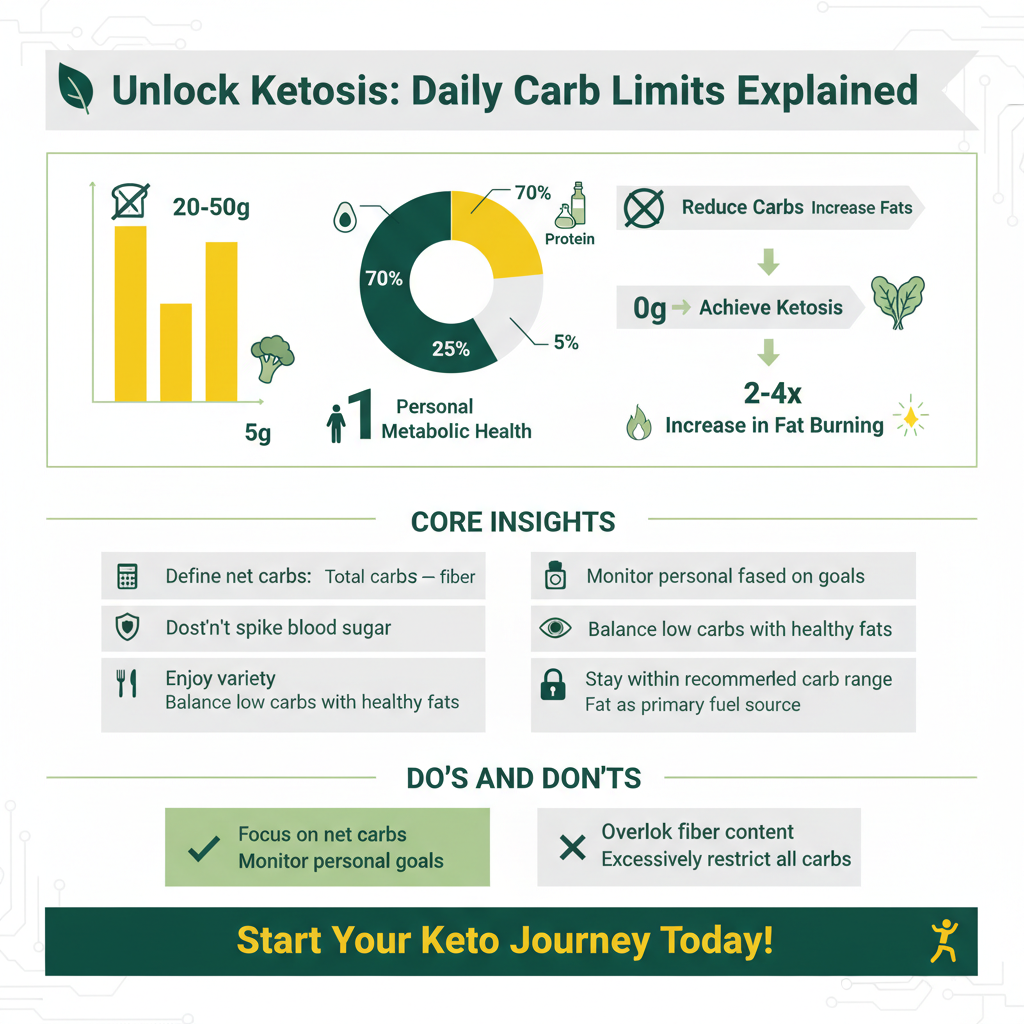

Most keto experts recommend a daily carbohydrate intake of 20-50 grams of net carbs to maintain ketosis. Net carbs are calculated by subtracting dietary fiber and certain sugar alcohols from the total carbohydrates consumed. This calculation is important because fiber is a type of carbohydrate that the body cannot digest and does not contribute to blood sugar spikes, making it a suitable component of a keto diet.
For example, if a food item contains 15 grams of total carbohydrates and 5 grams of fiber, the net carbs would be 10 grams. By focusing on net carbs rather than total carbohydrates, individuals can enjoy a wider variety of foods while still adhering to their carb limits. It’s important to note that the exact amount of net carbs an individual can consume while remaining in ketosis may vary based on personal factors such as metabolic health, activity levels, and specific dietary goals.
Factors Influencing Carb Limits
Individual metabolic rate and goals play a significant role in determining how many carbs one can consume on a keto diet. For instance, someone with a higher metabolic rate or who engages in regular high-intensity workouts may be able to tolerate a slightly higher carb intake than someone with a slower metabolism or a more sedentary lifestyle.
Additionally, personal health goals, such as weight loss or muscle gain, can also impact carb limits. For those aiming for rapid fat loss, sticking to the lower end of the recommended carb intake (around 20 grams) may be more beneficial. Conversely, individuals looking to maintain their weight or build muscle may find that a slightly higher carb intake (closer to 50 grams) is suitable for their needs.
Monitoring how your body responds to various levels of carbohydrate intake is crucial. Keeping track of your energy levels, weight fluctuations, and overall well-being can help you tailor your carb consumption to meet your specific goals.
Types of Carbohydrates to Focus On
When following a ketogenic diet, it’s essential to prioritize the types of carbohydrates consumed. Non-starchy vegetables and high-fiber foods should be your primary sources of carbs. Vegetables such as spinach, kale, broccoli, and cauliflower are not only low in net carbs but also packed with essential vitamins and minerals. These nutrient-dense options help fill you up without sabotaging your carb limits.
On the other hand, processed carbohydrates and sugars should be avoided to maintain ketosis effectively. Foods like bread, pasta, sugary snacks, and sweetened beverages can quickly add up in carb content and lead to blood sugar spikes, derailing your keto efforts. Instead, consider incorporating healthy fats, such as avocados, nuts, and olive oil, to enhance meals and keep you satiated.
Furthermore, it’s wise to be cautious with certain sugar alcohols, as they can affect individuals differently. While erythritol and stevia are often well-tolerated and have minimal impact on blood sugar, other sugar alcohols like maltitol may contribute to net carbs and should be consumed sparingly.
Monitoring Your Carb Intake
To successfully navigate a ketogenic diet, monitoring carbohydrate intake is crucial. Utilizing food tracking apps can greatly assist in managing daily carb consumption. These tools allow you to log your meals, track macro-nutrient ratios, and calculate net carbs effectively. Popular apps like MyFitnessPal or Cronometer can provide insights into your eating habits and help you stay accountable to your dietary goals.
Another effective strategy is meal prepping. By planning and preparing your meals in advance, you can ensure that you remain within your carb limits while enjoying a variety of flavorful and satisfying foods. Creating a weekly menu and cooking in batches can save time, reduce stress during the week, and help prevent impulsive food choices that may lead to excessive carb intake.
Tips for Staying Within Your Carb Limits
Planning meals and snacks in advance is vital for adhering to your carbohydrate limits. Consider keeping a list of keto-friendly foods and recipes at hand to streamline meal preparation and shopping. This can help you avoid accidental overconsumption of carbs.
Furthermore, educating yourself about hidden carbs in sauces, dressings, and packaged foods is essential. Many seemingly healthy options can contain added sugars or refined carbs that may not be immediately obvious. Always check nutrition labels for total and net carbs, and opt for homemade versions when possible to maintain control over ingredients.
Engaging in regular physical activity can also help you balance your carb intake. Exercise increases insulin sensitivity and can allow for a slightly higher carb allowance while still remaining in ketosis, depending on your individual response to dietary changes.
Incorporating these strategies into your keto lifestyle can significantly improve your chances of successfully managing your carbohydrate intake and achieving your health goals.
In summary, sticking to a daily carb intake of 20 to 50 grams is essential for achieving and maintaining ketosis on a ketogenic diet. By understanding your personal needs and choosing the right types of carbohydrates, you can successfully navigate your keto journey. Start tracking your carbs today and experiment with meal planning to optimize your results!
Frequently Asked Questions
What is the ideal daily carbohydrate intake for a ketogenic diet?
The ideal daily carbohydrate intake for a ketogenic diet typically ranges from 20 to 50 grams of net carbs. Net carbs are calculated by subtracting fiber and certain sugar alcohols from total carbohydrates. This low carb intake is crucial for entering and maintaining a state of ketosis, where your body burns fat for fuel instead of carbohydrates.
How do I determine my personal carb limit on a keto diet?
To determine your personal carb limit on a keto diet, start by calculating your daily caloric needs based on your age, sex, weight, and activity level. From there, aim for 5-10% of your total calories to come from carbohydrates, which usually translates to 20-50 grams of net carbs. It’s also beneficial to monitor your body’s response and adjust your intake as needed, focusing on how you feel and your ketone levels.
Why are carbs limited on a ketogenic diet?
Carbs are limited on a ketogenic diet to encourage the body to enter ketosis, a metabolic state where fat is used as the primary energy source instead of carbohydrates. When carbohydrate intake is drastically reduced, insulin levels drop, and the body begins to break down fat into ketones for energy. This shift not only aids in weight loss but can also improve mental clarity and energy levels for many individuals.
What are the best low-carb foods to include in a keto diet?
The best low-carb foods for a keto diet include leafy greens, non-starchy vegetables, avocados, nuts, seeds, and high-quality proteins like fatty fish, eggs, and grass-fed meat. Additionally, healthy fats such as olive oil, coconut oil, and butter are essential for meeting your fat intake while keeping carbohydrates low. Incorporating these foods can help you stay within your carb limit while enjoying a diverse diet.
Which factors influence how many carbs I can consume on keto?
Several factors influence how many carbs you can consume on a ketogenic diet, including your age, sex, metabolism, activity level, and overall health goals. For instance, more active individuals may be able to tolerate slightly higher carb intake due to their increased energy expenditure. Additionally, personal health conditions, such as insulin sensitivity or metabolic disorders, can also dictate how strictly you need to adhere to carb limits.
References
- https://www.health.harvard.edu/staying-healthy/the-ketogenic-diet
- https://www.ncbi.nlm.nih.gov/pmc/articles/PMC6461232/
- https://www.webmd.com/diet/what-is-the-keto-diet
- Mayo Clinic
- Dietary Guidelines for Americans
- https://www.cdc.gov/healthyweight/assessing/bmi/adult_bmi/english_bmi_calculator/bmi_calculator.html
- https://www.nhs.uk/live-well/eat-well/how-to-follow-a-keto-diet/
- https://www.fda.gov/food/food-labeling-nutrition/food-labeling-guide
- https://www.thekitchn.com/what-is-the-keto-diet-22905359