

The keto diet can be followed effectively for a period of 3 to 6 months, depending on your health goals and individual response. This structured approach can yield significant benefits, such as weight loss and improved energy levels, while also allowing for a sustainable transition back to a more balanced diet. In this article, we will delve into how long to stay on the keto diet, the factors influencing this timeline, and practical tips for transitioning off the diet or maintaining results.
Understanding the Keto Diet
The ketogenic diet focuses on high fat, moderate protein, and low carbohydrate intake, typically comprising about 70% fats, 25% protein, and 5% carbohydrates. This macronutrient composition aims to shift the body into a metabolic state known as ketosis. In ketosis, the body becomes highly efficient at burning fat for fuel instead of relying on glucose derived from carbohydrates. This shift not only promotes fat loss but also alters energy levels and mental clarity, making the diet appealing to many individuals seeking a change in lifestyle.
The creation of ketones—byproducts of fat metabolism—during ketosis serves as an alternative energy source for the brain and body. This state can be achieved through strict dietary adherence, which often results in a variety of physiological changes that some individuals find beneficial. However, understanding how this diet works is crucial for those considering its implementation and the potential duration of adherence.
Benefits of Following Keto
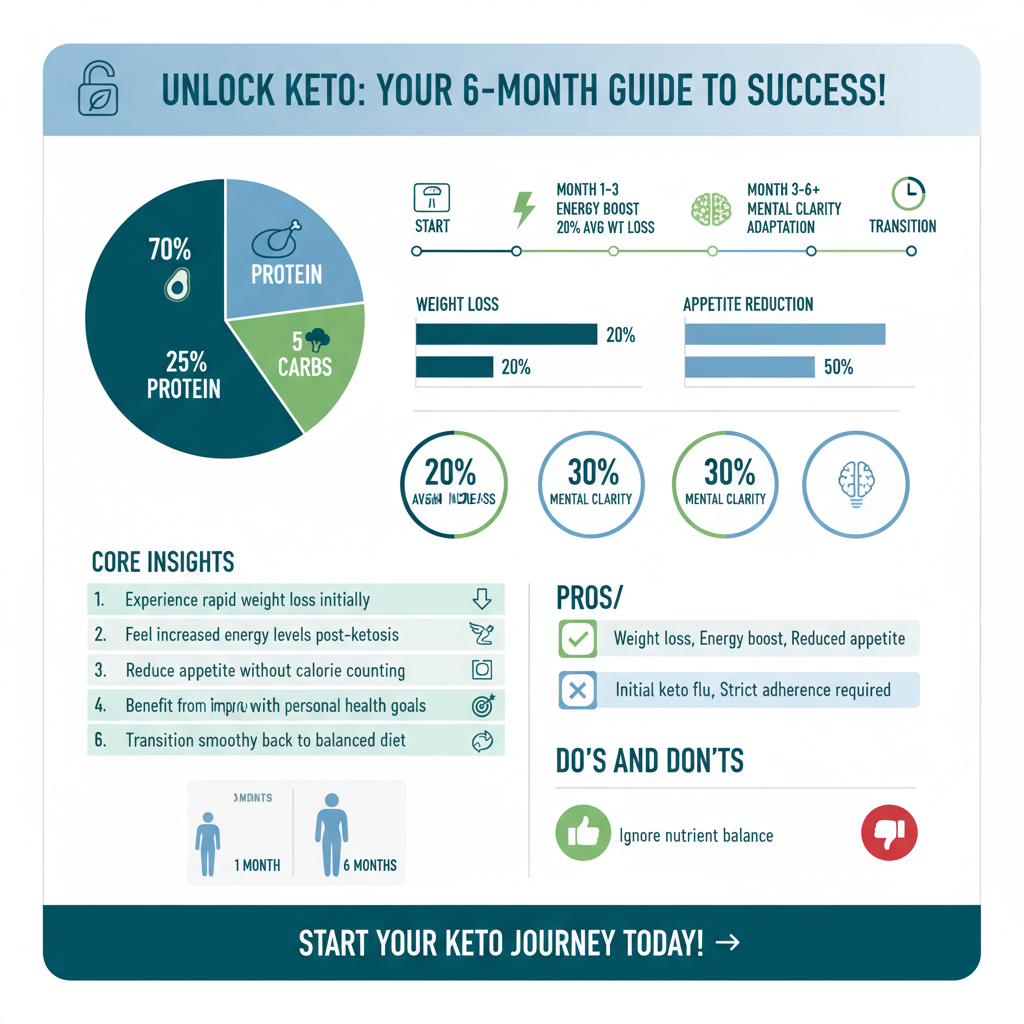

Many people experience significant weight loss during the initial phase of the diet, often referred to as the “keto flu,” a temporary adjustment period where the body adapts to the new fuel source. This rapid weight loss is primarily due to the depletion of glycogen stores and the associated loss of water weight. Beyond weight loss, individuals often report improved energy levels and enhanced mental clarity once they have fully transitioned into ketosis.
Research indicates that the ketogenic diet may also help reduce appetite, leading to decreased caloric intake without the need for strict calorie counting. Furthermore, some studies suggest potential benefits for certain medical conditions such as epilepsy, type 2 diabetes, and metabolic syndrome, making keto an attractive option for a variety of health concerns.
While the initial benefits can be motivational, it’s important to recognize that the long-term sustainability of any diet should align with individual health goals and lifestyle preferences.
Recommended Duration for Keto
When considering the recommended duration for following the keto diet, most experts suggest adhering to it for a period of 3 to 6 months for optimal results. This timeframe allows individuals to achieve significant weight loss and health improvements while minimizing potential adverse effects associated with long-term carbohydrate restriction.
Individual goals, such as weight loss, muscle gain, or maintenance, will ultimately influence how long someone should remain on the keto diet. For instance, someone aiming to lose a substantial amount of weight may find it beneficial to stick with keto longer, while those looking to maintain their weight or muscle mass may choose to transition off sooner. It is essential to establish clear health objectives before embarking on a keto journey to ensure that the diet aligns with personal aspirations.
Factors Influencing Duration
Several factors can influence how long an individual can or should follow the keto diet. Health conditions play a significant role; for instance, individuals with metabolic disorders or insulin resistance may benefit from prolonged adherence to keto, while others without such issues may find a shorter duration sufficient.
Lifestyle changes also impact dietary adherence. For example, personal circumstances such as travel, family commitments, or significant life events can make strict adherence to keto challenging. Additionally, social settings and dining out can complicate the ability to maintain a low-carb diet. Recognizing these factors early on can help individuals plan their keto journey more effectively and set realistic expectations.
Transitioning Off the Keto Diet
When it comes time to transition off the keto diet, a gradual reintroduction of carbohydrates is crucial to prevent unwanted weight regain and maintain metabolic stability. This process should begin by incorporating healthy, nutrient-dense carbohydrates, such as whole grains, fruits, and vegetables, while continuing to monitor overall caloric intake.
A slow approach allows the body to adjust back to using carbohydrates as a primary fuel source without triggering excessive insulin responses, which can lead to rapid weight gain. Emphasizing balanced nutrition during this transition is vital; individuals should focus on whole foods and balanced meals that incorporate a variety of macronutrients. This balanced approach not only fosters a sustained healthy lifestyle but also helps maintain results achieved during the keto phase.
Maintaining Results After Keto
To maintain results after completing the keto diet, incorporating regular exercise is essential. A well-rounded fitness routine that includes both cardiovascular and strength training can support weight maintenance and improve overall health. Exercise aids in regulating metabolism, building muscle mass, and enhancing mood, all of which contribute to successful long-term weight management.
Additionally, monitoring dietary habits remains critical. Keeping track of food intake, whether through journaling or using apps, can help individuals stay accountable and prevent slipping back into old habits. This ongoing reflection can also provide insight into nutritional needs, allowing for adjustments as necessary while promoting a balanced lifestyle moving forward.
In summary, following the keto diet can be beneficial for a limited time, typically ranging from 3 to 6 months. However, individual factors, such as health conditions and lifestyle changes, will ultimately guide your duration on the diet. If you’re considering starting or transitioning off the keto diet, consulting with a healthcare professional can help tailor the approach to your specific needs and ensure long-term success in achieving your health goals. Understanding the nuances of this diet and planning accordingly can lead to sustainable health transformations.
Frequently Asked Questions
How long should you follow the keto diet to see significant results?
The duration for which you should follow the keto diet can vary based on individual goals and health status, but many people begin to see noticeable weight loss and health improvements within 2 to 4 weeks. It’s essential to maintain a strict ketogenic state, which means consuming about 70-75% of your calories from fats, 20-25% from protein, and 5-10% from carbohydrates during this period. However, for sustained benefits, some individuals choose to stay on the keto diet for several months or even longer, depending on their long-term health and fitness goals.
What are the signs that indicate it’s time to stop the keto diet?
Key signs that may indicate it’s time to stop the keto diet include experiencing adverse health effects such as fatigue, digestive issues, nutrient deficiencies, or a lack of energy. Additionally, if you’ve reached your weight loss goals or find it challenging to maintain the restrictive nature of the diet without feeling deprived, it might be wise to gradually transition to a more balanced eating plan. Consulting with a healthcare provider or nutritionist can help you determine the best approach for your individual needs.
Why do some people choose to do the keto diet for only a short period?
Many individuals opt for short-term keto dieting to kickstart weight loss or to help overcome a weight loss plateau. The initial phase of the keto diet can lead to rapid fat loss due to the body entering ketosis, where it burns fat for fuel instead of carbohydrates. However, some may find it difficult to adhere to the stringent dietary restrictions long-term, leading them to return to a more flexible eating pattern after a few weeks while still benefiting from improved metabolic health.
What is the best way to transition off the keto diet after a long period?
The best way to transition off the keto diet involves gradually reintroducing carbohydrates into your meals to prevent potential weight gain or digestive discomfort. Start by adding small amounts of healthy carbs, such as whole grains, fruits, and starchy vegetables, while monitoring your body’s response. This gradual approach helps your body adjust to the increased carb intake while minimizing the chances of experiencing a “carb crash” and allows you to find a sustainable eating pattern that works for your lifestyle.
Which types of foods should you focus on when ending the keto diet?
When ending the keto diet, focus on incorporating nutrient-dense, whole foods that are higher in carbohydrates but still offer health benefits. Ideal options include fruits like berries, whole grains such as quinoa or brown rice, and starchy vegetables like sweet potatoes and carrots. These foods provide essential vitamins, minerals, and fiber, which are crucial for overall health and can help you maintain weight while transitioning to a more balanced diet that includes a variety of food groups.
References
- https://www.ncbi.nlm.nih.gov/pmc/articles/PMC6520971/
- https://www.health.harvard.edu/staying-healthy/the-ketogenic-diet
- https://www.cdc.gov/healthyweight/assessing/bmi/adult_bmi/english_bmi_calculator/bmi_calculator.html
- https://www.webmd.com/diet/obesity/what-is-the-ketogenic-diet
- https://www.mayoclinic.org/healthy-lifestyle/nutrition-and-healthy-eating/expert-answers/keto-diet/faq-20421597
- https://www.verywellfit.com/what-is-the-ketogenic-diet-5187066
- https://www.nutrition.gov/topics/nutrition-101/dietary-recommendations/keto-diet
- https://www.healthline.com/nutrition/what-is-the-keto-diet