

Weight loss on the keto diet can begin to manifest within the first few weeks, with many individuals reporting noticeable results shortly after starting. Typically, you can expect to lose about 1-2 pounds per week once your body adapts to ketosis. This article will delve into the timeline for weight loss on keto, factors influencing results, and tips for maximizing your success.
Understanding the Keto Diet

The ketogenic diet, commonly referred to as the keto diet, is a high-fat, low-carbohydrate eating plan designed to shift the body’s metabolism from burning glucose to burning fat. This metabolic state, known as ketosis, occurs when carbohydrate intake is drastically reduced, typically to less than 50 grams per day. By increasing fat consumption—generally around 70-80% of total daily calories—the body is encouraged to utilize fat stores for energy. Understanding how this dietary shift takes place is crucial for anyone considering the keto diet as a means of weight loss.
In addition to weight loss, the keto diet has been associated with several health benefits, such as improved blood sugar control and increased energy levels. However, it is essential to approach the diet with a clear understanding of its principles and potential challenges, as the transition into ketosis can also lead to temporary side effects, often referred to as the “keto flu.”
Initial Weight Loss: What to Expect
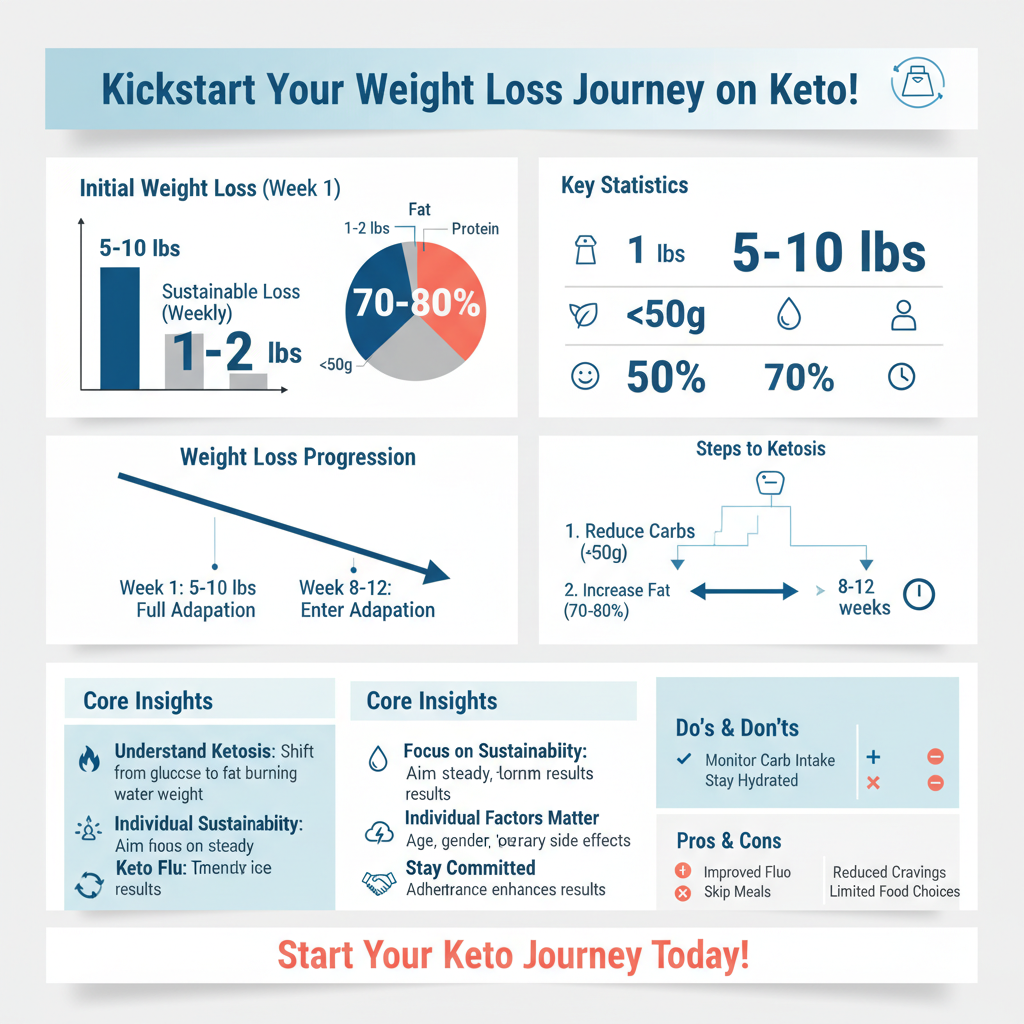

During the initial phase of the keto diet, many individuals experience rapid weight loss, primarily due to the depletion of glycogen stores in the body. Glycogen, the stored form of glucose, binds to water, so as glycogen is used for energy, water is released, leading to significant initial weight loss. Many people report losing between 5-10 pounds or more in the first week alone, depending on their starting weight and how strictly they adhere to the dietary guidelines.
It is important to note that this initial loss is largely water weight rather than fat loss. After the first week, weight loss tends to stabilize to a more sustainable rate of about 1-2 pounds per week as the body fully enters ketosis and begins to burn fat for fuel. Individuals should focus on long-term results rather than expecting continual rapid loss, which can lead to frustration and disappointment.
Factors Influencing Weight Loss Duration
Several factors can influence how quickly and effectively a person loses weight on the keto diet. Individual differences such as age, gender, metabolism, hormonal balance, and starting weight all play significant roles. For instance, younger individuals or those with a higher muscle mass may find it easier to lose weight due to a faster metabolic rate.
Moreover, adherence to the diet is critical. Those who strictly follow the macronutrient guidelines and avoid hidden carbohydrates are more likely to experience successful weight loss. Monitoring overall caloric intake is also vital; eating more calories than the body burns can hinder weight loss, regardless of the diet’s composition. Lifestyle factors, including sleep quality, stress levels, and physical activity, can further impact weight loss outcomes, highlighting the importance of a holistic approach to health and wellness.
Tracking Progress: Methods and Tools
To maximize success on the keto diet, tracking progress is essential. Keeping a food diary or utilizing apps designed for tracking macronutrient intake can help ensure adherence to keto guidelines. Popular apps such as MyFitnessPal or Carb Manager allow individuals to log their meals and monitor their carbohydrate, fat, and protein consumption, making it easier to stay within the desired macronutrient ratios.
Regular weigh-ins can provide valuable insights into progress, but it’s also beneficial to track measurements, such as waist circumference and body composition, as these metrics can reveal changes that the scale may not reflect. Setting specific, measurable goals and celebrating small victories can also help maintain motivation throughout the weight loss journey.
Common Challenges and Plateaus
While many individuals experience initial weight loss on the keto diet, it is common to encounter plateaus after a period of success. This can be frustrating, but understanding that plateaus are a normal part of the weight loss process is essential. A plateau may occur when the body adapts to a new caloric intake or macronutrient balance, leading to a temporary halt in weight loss.
To overcome plateaus, consider adjusting calorie intake, re-evaluating macronutrient ratios, or incorporating new physical activity routines. For example, increasing protein intake slightly or incorporating intermittent fasting may help stimulate further weight loss. Additionally, varying exercise routines can prevent adaptation and encourage continued progress.
Tips for Maximizing Weight Loss on Keto
To enhance weight loss on the keto diet, several strategies can be employed. Staying hydrated is critical, as dehydration can mimic hunger signals and lead to increased eating. Consuming adequate electrolytes—sodium, potassium, and magnesium—can also help mitigate the side effects of transitioning into ketosis, such as fatigue and headaches.
Incorporating regular physical activity can further enhance fat loss and improve overall health. Both aerobic exercises, like walking or cycling, and strength training can be beneficial. Strength training, in particular, helps build muscle, which increases metabolic rate and supports more effective weight loss.
Moreover, focusing on whole, nutrient-dense foods can enhance satiety and provide essential vitamins and minerals. Foods such as avocados, nuts, seeds, leafy greens, and fatty fish should be staples in the keto diet, as they provide healthy fats and promote overall well-being.
When to Seek Professional Guidance
If weight loss is significantly slower than expected or if adverse effects arise, seeking professional guidance is advisable. Consulting with a healthcare provider or a registered dietitian can offer personalized advice tailored to individual needs and goals. A professional can also help identify any underlying issues that may be hindering weight loss, such as hormonal imbalances or metabolic disorders.
Additionally, for individuals with specific health conditions, such as diabetes or metabolic syndrome, professional guidance is crucial to ensure safety and efficacy while following the keto diet. By working with a professional, individuals can develop a sustainable plan that aligns with their lifestyle and health objectives, ultimately leading to more successful outcomes.
Maintaining a keto diet can lead to effective weight loss, but results will vary based on individual factors and adherence. By understanding what to expect, tracking your progress, and utilizing effective strategies, you can maximize your chances of success on your weight loss journey. If you’re ready to start or continue your keto journey, consider setting clear goals and seeking support to stay motivated.
Frequently Asked Questions
How long does it typically take to see weight loss results on the keto diet?
The timeline for weight loss on the keto diet can vary considerably, but many individuals start noticing a difference within the first week due to the initial loss of water weight. Generally, noticeable fat loss may occur within 2-4 weeks as the body transitions to burning fat for fuel. It’s important to remember that results can be influenced by factors like adherence to the diet, individual metabolism, and initial body composition.
Why am I not losing weight on keto after the first few weeks?
There are several reasons why you might not see weight loss on keto after the initial phase. Common factors include consuming too many calories, eating hidden carbs in processed foods, or not being in a state of ketosis. Additionally, stress, lack of sleep, and hormonal imbalances can also hinder weight loss efforts, making it crucial to evaluate your overall lifestyle and dietary habits.
What are the best practices to maximize weight loss on the keto diet?
To maximize weight loss on the keto diet, focus on maintaining a strict low-carb intake, typically under 20-50 grams of net carbs per day. Incorporating healthy fats, moderate protein, and plenty of non-starchy vegetables is essential. Additionally, staying hydrated, tracking your macronutrients, and engaging in regular physical activity can enhance your results and keep you motivated throughout your keto journey.
Which factors can influence how quickly you lose weight on keto?
Several factors can influence the speed of weight loss on the keto diet, including your starting weight, age, gender, activity level, and metabolic rate. Additionally, adherence to the diet plays a critical role; those who strictly follow the guidelines may see faster results. Individual variations, such as insulin sensitivity and hormonal fluctuations, can also impact weight loss rates.
How can I tell if I’m in ketosis while following the keto diet?
You can determine if you’re in ketosis through various methods. Common indicators include measuring ketone levels in your blood, urine, or breath using testing kits available on the market. Additionally, symptoms such as increased energy, reduced hunger, and a distinctive metallic taste in your mouth can signal that your body is effectively burning fat for fuel. Monitoring these signs can help you stay on track with your weight loss goals.
References
- https://www.ncbi.nlm.nih.gov/pmc/articles/PMC5783680/
- https://www.healthline.com/nutrition/keto-diet-weight-loss
- https://www.mayoclinic.org/healthy-lifestyle/nutrition-and-healthy-eating/in-depth/keto-diet/art-20459576
- https://www.webmd.com/diet/what-is-the-ketogenic-diet
- https://www.cdc.gov/healthyweight/losing_weight/index.html
- https://www.tandfonline.com/doi/full/10.1080/17461391.2019.1580508
- https://www.jamanetwork.com/journals/jama/fullarticle/2722603
- https://www.ncbi.nlm.nih.gov/pmc/articles/PMC7794037/
- https://www.bmj.com/content/368/bmj.l700