

Counting carbs for a keto diet is essential for maintaining ketosis, typically requiring you to keep your carbohydrate intake under 20-50 grams per day. This practice not only helps in managing weight but also assists in stabilizing blood sugar levels. In this article, you will find practical methods to effectively count carbs, essential tools to use, and tips for achieving success on your keto journey.
Understanding Carbohydrates
Carbohydrates are classified into two main categories: simple and complex. Simple carbohydrates are sugars that are quickly absorbed by the body, leading to rapid spikes in blood sugar levels. Common sources include fruits, milk, and processed foods containing added sugars. In contrast, complex carbohydrates consist of longer chains of sugar molecules, which take more time to digest and provide a gradual release of energy. These are found in whole grains, legumes, and starchy vegetables.
The impact of carbohydrates on insulin and blood sugar levels is significant. When you consume carbs, your body breaks them down into glucose, which raises blood sugar levels. In response, the pancreas secretes insulin, a hormone that facilitates the uptake of glucose by cells for energy or storage. For individuals following a keto diet, the goal is to minimize insulin spikes by drastically reducing carbohydrate intake, thereby promoting fat burning and maintaining a state of ketosis.
Finding Your Daily Carb Limit

On a ketogenic diet, the general guideline is to limit carbohydrate intake to about 20-50 grams per day. This amount varies depending on several factors, including individual metabolism, activity levels, and personal health goals. For instance, someone with a sedentary lifestyle may require fewer carbs to achieve ketosis compared to an active individual who may have a slightly higher allowance.
It’s also important to recognize that metabolic health plays a crucial role in determining your carb limit. Those with insulin resistance or metabolic syndrome may need to adhere to stricter carb limits to achieve desired results. Consulting with a healthcare professional can help tailor your carbohydrate intake to your specific needs and ensure you are on the right path.
Reading Nutrition Labels
Understanding how to read nutrition labels is a crucial skill for anyone following a keto diet. Start by looking for the total carbohydrate count per serving, which includes sugars, fiber, and starches. It’s essential to differentiate between total carbs and net carbs—the latter being the total carbs minus fiber and certain sugar alcohols, which have a minimal impact on blood sugar levels.
For example, if a product contains 10 grams of total carbohydrates, with 5 grams of fiber, the net carbs would be 5 grams. This distinction is vital as it can significantly affect your daily carb count. Additionally, be aware of serving sizes; consuming multiple servings of a product can quickly lead to exceeding your carb limit.
Using Carbohydrate Tracking Tools
Several popular apps and websites can simplify the process of tracking carbohydrate intake. Apps like MyFitnessPal, Cronometer, and Carb Manager allow you to log meals and automatically calculate your daily carb consumption. These tools often come with extensive food databases and barcode scanning features, making it easier to track what you eat.
In addition to digital trackers, maintaining a food diary can also be beneficial. Writing down your meals helps increase accountability and provides insight into eating habits. Whether you prefer high-tech or traditional methods, utilizing tracking tools can support you in staying within your carb limits and making informed dietary choices.
Meal Planning for Keto
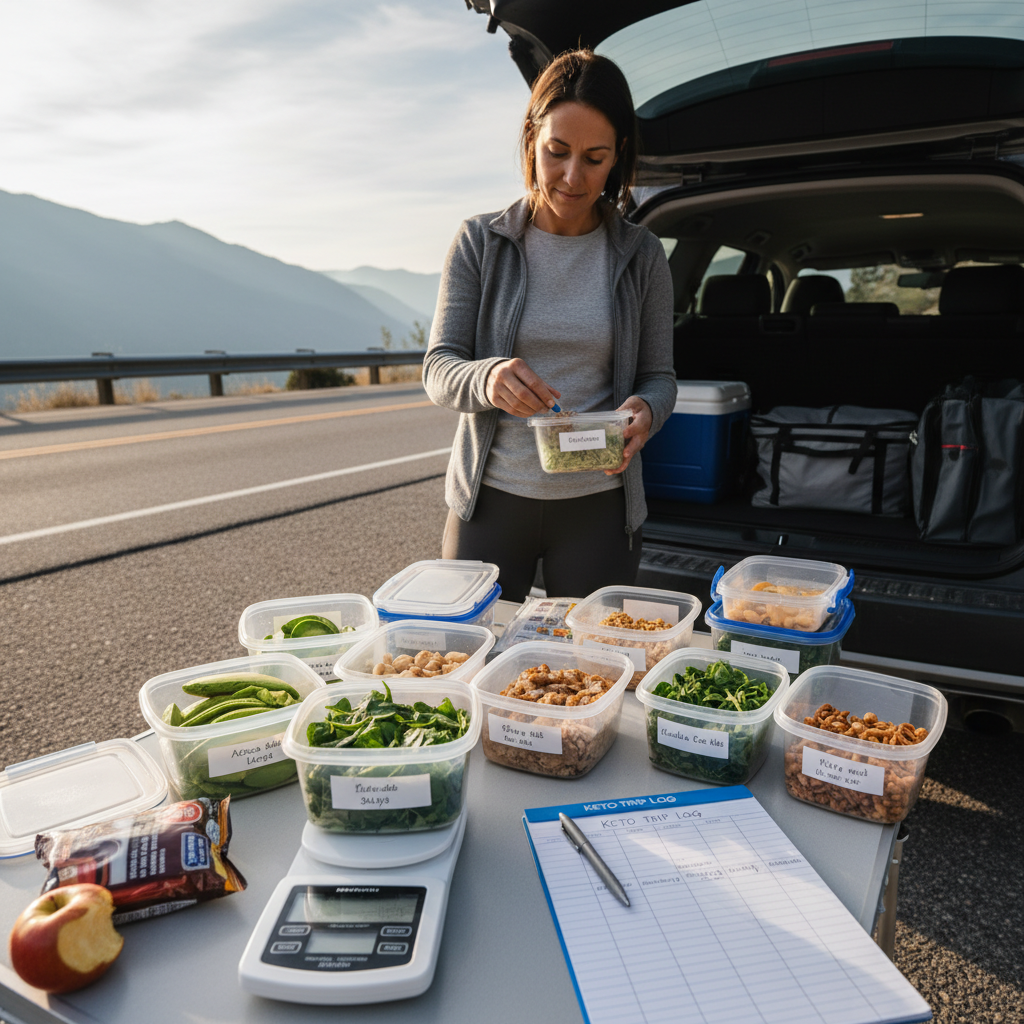
Effective meal planning is essential for adhering to a low-carb framework. Start by creating a weekly menu that features keto-friendly foods such as meats, fish, low-carb vegetables, and healthy fats. Batch cooking meals in advance can save time and ensure you have compliant options readily available, reducing the temptation to stray from your diet.
Consider incorporating versatile ingredients that can be used in various dishes, such as cauliflower for rice substitutes or zucchini for noodle alternatives. Planning snacks ahead of time, like cheese sticks or nuts, can also help you avoid high-carb options when hunger strikes. The key is to remain organized and proactive in your meal preparation to make carb counting more manageable.
Common Mistakes to Avoid
While counting carbs, it’s easy to fall into common pitfalls that can hinder your progress. One frequent mistake is underestimating portion sizes, leading to unintentional carb overconsumption. Always measure your food, especially when it comes to high-carb items like grains and legumes.
Another mistake is neglecting to account for hidden carbs that may be present in sauces, dressings, and processed foods. Always read ingredient lists and label information carefully. Additionally, some individuals may think they can incorporate small amounts of high-carb foods without consequences; however, these can accumulate and disrupt ketosis. Awareness and diligence are essential to avoid these missteps.
Staying Motivated and Adjusting
Maintaining motivation on a keto diet can be challenging, especially as progress may sometimes plateau. To stay inspired, set achievable goals, whether they are weight-related or health milestones. Engage with supportive communities online or in-person, where you can share experiences and tips.
Moreover, it’s important to adjust your carb intake based on your progress and personal goals. If you find that you’re not achieving the desired results, consider reassessing your carb limits, activity levels, and overall dietary choices. Flexibility and responsiveness to your body’s needs can enhance your success on the keto journey.
Summarizing the key points, counting carbs for keto is essential for maintaining ketosis and achieving your health goals. Start tracking your intake today, utilize helpful tools, and plan your meals wisely for sustained success on the keto diet. Take action now and transform your approach to low-carb eating!
Frequently Asked Questions
What is the ideal daily carb limit for a ketogenic diet?
The ideal daily carb limit for a ketogenic diet typically ranges from 20 to 50 grams of net carbs, depending on individual factors such as your body weight, activity level, and overall health goals. Net carbs are calculated by subtracting fiber and certain sugar alcohols from the total carbohydrates in food, as these do not significantly impact blood sugar levels. Monitoring your carb intake closely can help you enter and maintain ketosis more effectively.
How do I calculate net carbs for keto?
To calculate net carbs for keto, start by looking at the nutrition label of the food item. Use the formula: Net Carbs = Total Carbohydrates – Fiber – Sugar Alcohols (if applicable). For example, if a food has 10 grams of total carbohydrates, 4 grams of fiber, and 2 grams of sugar alcohol, the net carbs would be 10 – 4 – 2 = 4 grams. This method allows you to focus on the carbs that will impact your blood sugar levels.
Why is counting carbs important for a ketogenic diet?
Counting carbs is crucial for a ketogenic diet because it allows you to maintain a state of ketosis, where your body burns fat for fuel instead of carbohydrates. Consuming too many carbs can kick you out of ketosis, which can hinder weight loss and affect your energy levels. By carefully tracking your carb intake, you can optimize your diet to achieve your health and weight loss goals effectively.
What are the best tools to help me count carbs on keto?
Some of the best tools to help you count carbs on keto include mobile apps like MyFitnessPal, Carb Manager, and Cronometer, which allow you to track your daily food intake and monitor your carb count easily. Additionally, using a food scale can help you measure portions accurately, ensuring that you stay within your carb limits. Online databases and resources can also provide valuable nutritional information for various foods.
Which foods should I avoid to keep my carb count low on keto?
To keep your carb count low on keto, you should avoid high-carb foods such as bread, pasta, rice, sugary snacks, and most fruits. Starchy vegetables like potatoes and corn should also be limited. Instead, focus on low-carb alternatives such as leafy greens, non-starchy vegetables, nuts, seeds, and healthy fats like avocados and olive oil to maintain your desired carb intake while enjoying a variety of foods.
References
- Ketogenic diet
- https://www.ncbi.nlm.nih.gov/pmc/articles/PMC6833314/
- https://www.healthline.com/nutrition/what-is-a-ketogenic-diet
- https://www.cdc.gov/healthyweight/assessing/bmi/index.html
- https://www.mayoclinic.org/healthy-lifestyle/nutrition-and-healthy-eating/in-depth/keto-diet/art-20459630
- https://www.webmd.com/diet/obesity/what-is-the-keto-diet
- https://www.hsph.harvard.edu/nutritionsource/healthy-weight/diet-reviews/keto-diet/
- https://www.verywellfit.com/keto-diet-5115083