

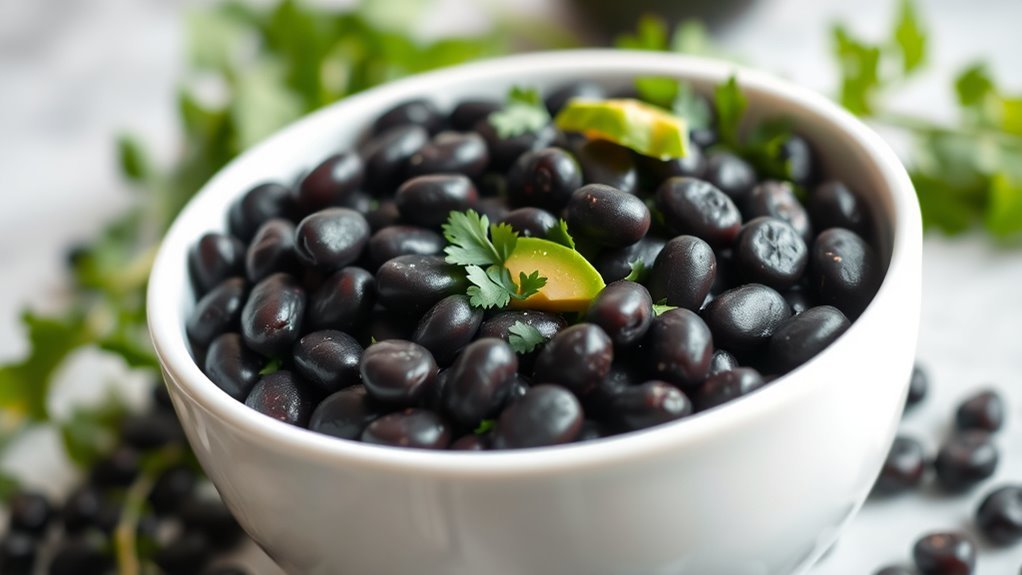
Black beans aren’t typically considered keto-friendly due to their high carbohydrate content. A single serving can have around 23 grams of carbs, which may disrupt ketosis. Though they provide health benefits like fiber and protein, their carb levels make it challenging to include them on a strict ketogenic diet. If you’re looking for suitable alternatives, there are several low-carb options available that align better with keto guidelines. Explore these alternatives for your keto meal plan.
Understanding the Ketogenic Diet
When you’re exploring dietary options, it’s essential to understand the fundamentals of the ketogenic diet. This approach emphasizes ketogenic principles, primarily by shifting your body into a state of ketosis. Here, fat becomes your main fuel source instead of carbohydrates. To achieve this, you’ll need to focus on macronutrient balance—typically aiming for about 70-75% fats, 20-25% proteins, and only 5-10% carbohydrates. This shift not only helps many people lose weight but can also enhance mental clarity and energy levels. However, it’s vital to choose high-quality fats and maintain proper hydration. Embracing these principles allows you the freedom to enjoy a variety of foods while promoting overall health and well-being. Understanding these basics sets the foundation for your keto journey.
Nutritional Profile of Black Beans

To determine if black beans fit into a ketogenic diet, it’s important to examine their nutritional profile. Black beans are rich in protein content, offering a substantial amount per serving, which can support your muscle health. Their fiber benefits are notable too, aiding digestion and promoting satiety. Various cooking methods, like boiling or pressure cooking, enhance their nutrient density and versatility in meals. With their earthy flavor profiles, black beans pair well with spices, making them ideal for diverse culinary uses. You can incorporate them into salads, soups, or tacos, creating balanced meal pairings. While they offer many health benefits, it’s crucial to evaluate portion sizes if you’re monitoring carb intake on a keto plan.
Carbohydrate Content in Black Beans
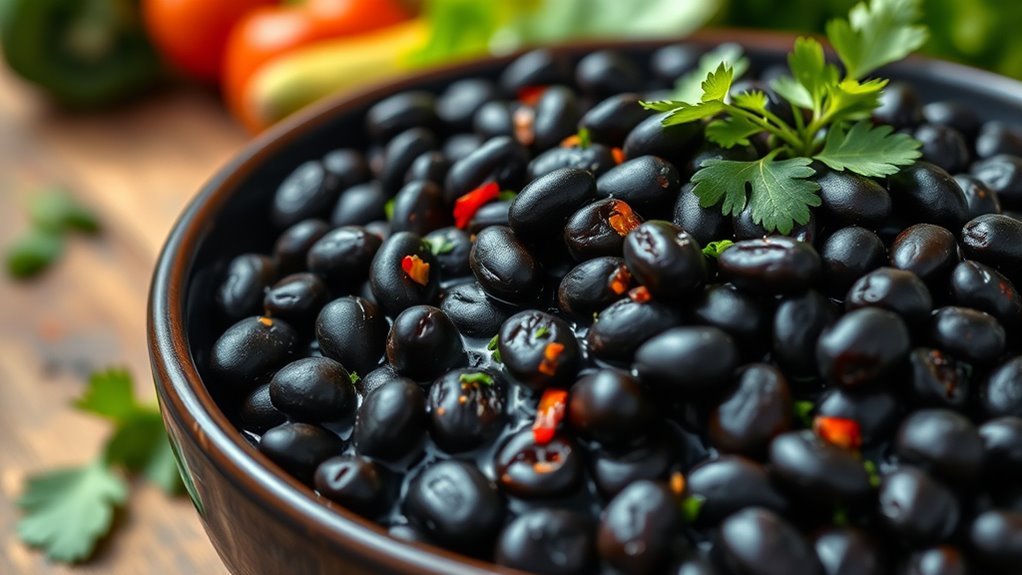
When considering black beans on a keto diet, it’s important to understand their carbohydrate content. A standard serving contains a significant amount of total carbs, but calculating net carbs can provide a clearer picture of their impact on your daily intake. Additionally, portion size can greatly influence how these beans fit into your overall dietary goals.
Nutritional Breakdown Overview
Although black beans are often praised for their nutritional benefits, their carbohydrate content raises questions for those following a ketogenic diet. Different black bean varieties can have slightly varying carbohydrate levels, influencing how they fit into your meal plans. Cooking methods also play a role in their overall nutritional profile.
Here’s a quick overview of the carbohydrate content in common black bean varieties:
| Black Bean Variety | Carbohydrates (per 100g) |
|---|---|
| Canned Black Beans | 23g |
| Dried Black Beans | 60g |
| Black Bean Puree | 20g |
| Black Bean Soup | 10g |
Understanding these values can help you make informed choices while considering your carb limits on a keto journey.
Net Carbs Calculation
While black beans are nutritious, their suitability for a ketogenic diet largely hinges on their net carbohydrate content. Typically, a half-cup serving of cooked black beans contains around 20 grams of total carbohydrates, but you also need to take into account the fiber content, which is about 8 grams. To determine net carbs, you subtract the fiber from the total carbohydrates. In this case, that gives you approximately 12 grams of net carbs per serving. For those following a strict keto lifestyle, this may be a significant amount, especially if you’re aiming for a daily limit of 20-50 grams of net carbs. Consequently, while they offer health benefits, moderation is key when incorporating black beans into your keto meal plan.
Portion Size Impact
The portion size of black beans greatly affects their carbohydrate content, which is important for those on a keto diet. If you’re watching your carb intake, practicing portion control is essential. A typical serving size of black beans is about ½ cup, containing roughly 20 grams of carbohydrates. In contrast, sticking to smaller serving sizes can help keep your total carb count lower. By measuring out your portions, you can enjoy the nutritional benefits of black beans without compromising your keto goals. Remember that moderation is key; if you choose to indulge, balance it with lower-carb foods throughout your day. Being mindful of serving sizes allows you the freedom to enjoy diverse meals while still adhering to your dietary preferences.
Health Benefits of Black Beans
Black beans offer a wealth of health benefits that can enhance your diet, especially if you’re looking for plant-based protein sources. They’re rich in fiber, which aids digestion and helps maintain healthy blood sugar levels. Additionally, black beans are packed with antioxidants, promoting heart health and reducing inflammation.
| Benefit | Description |
|---|---|
| High in Fiber | Supports digestion and lowers cholesterol. |
| Rich in Antioxidants | Protects cells from damage and inflammation. |
| Good Source of Protein | Provides essential amino acids for repair. |
| Low Glycemic Index | Helps stabilize blood sugar levels. |
Incorporating black beans into your meals can be a delicious way to enjoy these health benefits while diversifying your diet.
Black Beans in Your Keto Meal Plan
If you’re following a ketogenic diet, you might be wondering how black beans fit into your meal plan. While they’re not typically keto-friendly due to their higher carb content, you can still incorporate them mindfully. Here are some ideas to contemplate for your keto meal ideas:
- Use Small Portions: Limit your intake to maintain carb balance.
- Combine with Low-Carb Ingredients: Pair black beans with veggies or proteins for a balanced meal.
- Experiment with Black Bean Recipes: Try black bean salsa or a small serving of black bean soup.
- Monitor Your Daily Carbs: Keep track of your overall carb intake to stay within your keto limits.
Finding creative ways to enjoy black beans while staying on track can add variety to your diet.
Alternatives to Black Beans on Keto
If you’re looking for alternatives to black beans on a keto diet, there are several low-carb options worth considering. High-fiber vegetables like spinach or zucchini can provide similar nutritional benefits without the extra carbs. Additionally, certain legumes may fit into your plan, but it’s important to choose wisely to stay within your carb limits.
Low-Carb Bean Substitutes
When following a keto diet, finding suitable substitutes for black beans can be essential for maintaining your low-carb lifestyle. You’ll want to take into account low carb alternatives that still offer good nutrition. Here are four great options:
- Zucchini: Low in carbs and versatile, zucchini can mimic the texture of beans in many dishes.
- Cauliflower: This veggie is low in carbs and can be riced or mashed as a bean substitute.
- Mushrooms: Packed with flavor and very low in carbs, mushrooms can add depth to your meals.
- Chickpeas: Though slightly higher in carbs, you can use them sparingly for their unique taste and protein content.
These alternatives provide diverse options while keeping your bean nutrition balanced and keto-friendly.
High-Fiber Vegetable Options
While low-carb bean substitutes like zucchini and cauliflower can help fill the void left by black beans on a keto diet, incorporating high-fiber vegetables can further enhance your meals. Fiber-rich vegetables, such as spinach, kale, and broccoli, are not just low in carbs; they’re packed with nutrients that support your overall health. These keto-friendly greens can help you feel full longer, making it easier to stick to your dietary goals. Plus, they provide essential vitamins and minerals, promoting digestion and maintaining energy levels. Roasting, sautéing, or adding them to salads can elevate your dishes and guarantee you’re getting the fiber you need without compromising your keto lifestyle. Embrace these alternatives for a vibrant, fulfilling plate!
Legume Alternatives on Keto
Although black beans are a popular source of protein and fiber, they aren’t typically considered keto-friendly due to their higher carbohydrate content. If you’re looking for legume alternatives on keto, here are some keto-friendly options that can help satisfy your cravings:
- Green Beans: Low in carbs and versatile, perfect for stir-fries or as a side dish.
- Snow Peas: Crisp and sweet, they’re great in salads or sautéed.
- Edamame: Packed with protein and fiber, they make a great snack.
- Mung Beans: Lower in carbs than most legume varieties, they can be sprouted for added nutrition.
These alternatives can help you stay within your carb limits while still enjoying the benefits of legumes!
Frequently Asked Questions about Black Beans and Keto Diet
1. Are black beans considered keto-friendly?
Black beans are not typically considered keto-friendly due to their higher carbohydrate content. A one-cup serving of cooked black beans contains approximately 41 grams of carbohydrates, which can significantly exceed the daily carb limit on a ketogenic diet, usually set between 20-50 grams.
2. How do black beans fit into a low-carb diet?
While black beans are rich in protein and fiber, making them a healthy choice for many diets, they are not ideal for strict low-carb or keto diets. If you are following a low-carb diet, you might consider consuming black beans in moderation, balancing them with other low-carb vegetables and protein sources.
3. What are the nutritional benefits of black beans?
Black beans are packed with nutrients, including protein, fiber, antioxidants, and various vitamins and minerals. They help promote digestion, support heart health, and may help regulate blood sugar levels. However, for those on a keto diet, the high carbohydrate content may outweigh these benefits.
4. Are there any alternatives to black beans for a keto diet?
Yes, there are several low-carb alternatives to black beans that can be incorporated into a keto diet. Options include cauliflower, zucchini, or even legumes like lentils in moderation. These substitutes can provide similar textures and flavors without the high carb count associated with black beans.
5. Can I occasionally include black beans in my keto diet?
If you are on a more flexible version of the keto diet, you might be able to include small amounts of black beans occasionally. Monitoring your overall carbohydrate intake is essential. If you choose to add them, consider a small portion and adjust your meals throughout the day to stay within your carb limit.
References
- https://www.healthline.com/nutrition/black-beans-keto-friendly
- https://www.verywellfit.com/black-beans-and-the-keto-diet-5195486
- https://www.ncbi.nlm.nih.gov/pmc/articles/PMC3664912/
- https://www.medicalnewstoday.com/articles/323293
- https://www.livestrong.com/article/327045-are-black-beans-keto-friendly/
- https://www.health.gov/our-work/nutrition-physical-activity/dietary-guidelines/2015-2020
- https://www.researchgate.net/publication/327119689_Nutritional_Analysis_of_Black_Bean_Products

