

Sourdough bread isn’t keto-friendly because it has a higher carbohydrate content that can disrupt ketosis and affect weight loss efforts. While sourdough offers some nutritional benefits like improved digestibility and lower glycemic index, its carb content typically ranges around 12-15 grams per serving. Consequently, if you’re following a ketogenic diet, it’s better to seek alternatives like cloud bread or almond flour, which align with low-carb goals. Discovering more options tailored to keto can be beneficial.
Understanding the Basics of Sourdough Bread
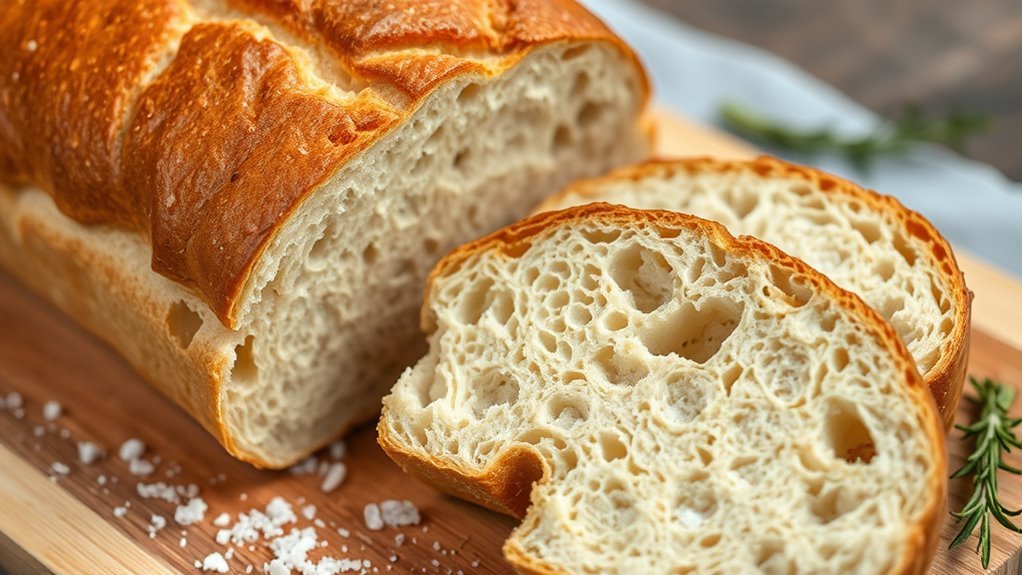
Sourdough bread, with its distinctive tangy flavor and chewy texture, is a product of fermentation that involves natural yeast and bacteria. Its history dates back thousands of years, making it one of the oldest forms of leavened bread. The fermentation process not only helps develop its unique taste but also enhances digestibility. By allowing the dough to rise slowly, beneficial bacteria break down gluten and phytic acid, which can improve nutrient absorption. These fermentation benefits are essential for those seeking a more wholesome bread option. Understanding sourdough’s rich history and fermentation process can empower you to appreciate this traditional bread and its potential advantages in your diet, offering a choice that aligns with a desire for freedom in food selection.
The Nutritional Profile of Sourdough

Bread lovers will find that the nutritional profile of sourdough offers some intriguing aspects worth reflecting on. Unlike traditional bread, sourdough undergoes fermentation, which enhances its digestibility and nutrient availability. This process can lead to improved gut health due to the presence of probiotics, offering notable sourdough benefits. You’ll also notice that sourdough typically has a lower glycemic index, making it potentially better for blood sugar control—a crucial health consideration. Additionally, its unique fermentation may increase the levels of certain vitamins and minerals, including B vitamins and magnesium. However, while sourdough can provide these advantages, it’s important to take into account your overall dietary goals, especially if you’re mindful of carb intake in a keto lifestyle.
Carbohydrates in Sourdough vs. Traditional Bread

When comparing sourdough to traditional bread, one of the most significant differences lies in their carbohydrate content. Sourdough typically has a lower carbohydrate content compared to conventional bread due to the fermentation process involved in traditional baking. This process breaks down some carbohydrates into simpler sugars, making it easier for your body to digest. While a slice of traditional bread might contain around 15 grams of carbs, sourdough can have as little as 12 grams per slice, depending on the recipe and ingredients. Additionally, the presence of probiotics in sourdough may further aid in digestion and absorption of nutrients. For those seeking lower-carb options, sourdough may present a more favorable choice while still enjoying the benefits of bread.
The Role of Fermentation in Sourdough
Fermentation plays an essential role in sourdough bread, as it involves the breakdown of sugars by yeast and bacteria. This process not only enhances the flavor but also impacts the carbohydrate content, potentially making it more suitable for those following a keto diet. Understanding how fermentation alters these elements can help you make informed choices about sourdough in your low-carb eating plan. Additionally, the fermentation process reduces overall carbohydrate content and alters carbohydrate absorption in the body, leading to lower glycemic responses compared to other breads.
Fermentation Process Explained
While many people enjoy the tangy flavor of sourdough, the fermentation process behind it is essential to understanding its unique characteristics. Sourdough relies on wild yeast and a sourdough starter, which contains beneficial bacteria and yeast, to create its distinctive flavor and texture. During fermentation, these microorganisms break down sugars, resulting in lactic acid and carbon dioxide, which contribute to the bread’s rise and tang.
| Stage | Process Description | Benefits |
|---|---|---|
| Initial | Wild yeast and bacteria activate | Flavor development |
| Fermentation | Lactic acid production | Improved digestibility |
| Proofing | Dough rises due to gas production | Light and airy texture |
| Baking | Heat kills yeast and bacteria | Flavor and texture set |
Understanding this process helps you appreciate the craftsmanship behind sourdough.
Impact on Carbohydrates
Although many people appreciate sourdough for its flavor, the fermentation process considerably alters its carbohydrate content, making it a better option for those monitoring their carb intake. During fermentation, naturally occurring bacteria and yeasts break down some of the starches in the dough, leading to lower carbohydrate levels compared to conventional bread. This process not only enhances digestibility but also increases the sourdough benefits, including improved gut health. For those considering keto adaptations, sourdough can fit into a low-carb lifestyle when consumed in moderation. While it’s not zero-carb, the reduced glycemic index may help maintain stable blood sugar levels. Essentially, sourdough offers a flavorful alternative that aligns with a more flexible ketogenic approach.
The Impact of Gluten and Digestibility
As you explore the relationship between gluten and digestibility in sourdough bread, it’s essential to understand how the fermentation process alters these components. Sourdough fermentation breaks down gluten proteins, making them easier to digest for many individuals, especially those with mild gluten sensitivity. This process also enhances the bioavailability of nutrients, as lactic acid bacteria reduce phytate levels, which can inhibit mineral absorption. Digestibility factors in sourdough are often superior to those in traditional bread, resulting in a product that may be less likely to cause gastrointestinal discomfort. However, if you have severe gluten intolerance or celiac disease, it’s important to avoid sourdough, as the gluten content remains significant despite fermentation. Knowledge is power when steering your dietary choices.
Sourdough and Blood Sugar Levels
Understanding how sourdough bread influences blood sugar levels is essential for those managing their carbohydrate intake, especially on a ketogenic diet. Sourdough benefits include a lower glycemic index compared to traditional breads, which can lead to more stable blood sugar levels. The fermentation process breaks down some carbohydrates, making it easier for your body to digest. This means you’re less likely to experience spikes in blood sugar after eating sourdough. Additionally, the presence of beneficial bacteria can enhance gut health, further supporting metabolic functions. While sourdough isn’t carb-free, its unique properties may allow for occasional inclusion in a balanced diet. Just remember to monitor your individual response to guarantee it aligns with your goals.
Incorporating Sourdough Into a Ketogenic Diet
Incorporating sourdough bread into a ketogenic diet can be approached thoughtfully with a focus on moderation and personal tolerance. While traditional sourdough contains carbohydrates, it also offers several sourdough benefits, such as improved digestibility and lower glycemic impact due to fermentation. You might consider enjoying small portions, particularly when meal pairing with high-fat, low-carb ingredients like avocado or cheese. This can help balance your macros and maintain ketosis. Additionally, listen to your body’s response; some may tolerate sourdough better than others. By being mindful of your servings and strategic with meal combinations, you can savor the unique flavors of sourdough while adhering to your ketogenic lifestyle, enhancing both enjoyment and nutritional intake.
Alternatives to Sourdough for Keto Followers
If you’re looking for alternatives to sourdough that fit a ketogenic diet, cloud bread and almond flour recipes are excellent options. Cloud bread is low in carbs and made primarily from eggs and cream cheese, making it a versatile substitute. Almond flour, on the other hand, can be used to create a variety of baked goods while keeping your carb intake in check. Additionally, these alternatives can help you enjoy low carb options while adhering to your keto lifestyle.
Cloud Bread Recipe
Cloud bread is an excellent alternative for those following a keto diet who miss the texture of traditional bread. This low carb option is made primarily from eggs, cream cheese, and cream of tartar, creating a fluffy, airy bread substitute. With virtually no carbs, cloud bread allows you to enjoy sandwiches or wraps without derailing your keto goals. Plus, it’s quick and easy to make, giving you the freedom to whip up a batch whenever cravings strike. You can even customize the flavor by adding herbs or spices to suit your taste. By incorporating cloud bread into your diet, you’re not just finding a substitute; you’re embracing a versatile and satisfying option that aligns with your low carb lifestyle. Additionally, cloud bread is a great way to incorporate healthy fats and proteins into your meals, enhancing your overall nutrition while keeping your carb count low.
Almond Flour Options
For many keto followers, almond flour serves as a popular and versatile alternative to traditional sourdough bread. Its low-carb content makes it an ideal choice for maintaining ketosis. With various almond flour types available, you can easily find one that suits your baking needs:
- Blanched Almond Flour: Perfect for lighter baked goods, as it has a fine texture.
- Almond Meal: Coarser than blanched flour, great for adding density and flavor.
- Super-Fine Almond Flour: Ideal for delicate pastries and keto-friendly pancakes.
The benefits of almond flour are numerous. It’s rich in healthy fats, provides essential nutrients, and offers a satisfying texture in recipes. By incorporating almond flour into your diet, you can enjoy delicious, guilt-free alternatives to sourdough. Additionally, almond flour supports healthy fats that are essential for optimal ketosis.
Frequently Asked Questions
Can I Make Sourdough Bread Using Keto-Friendly Flours?
Yes, you can make sourdough bread using keto-friendly flours like almond or coconut flour. These alternative flours offer nutritional benefits, including lower carbohydrates and higher fiber content compared to traditional wheat flour. When using these flours, you might need to adjust hydration levels and fermentation times to achieve the right texture and rise. Experimenting with these adjustments can lead to delicious, keto-friendly sourdough that fits your dietary preferences while maintaining that beloved tangy flavor.
How Does Sourdough Affect Ketosis Levels?
Sourdough can impact your ketosis levels due to its fermentation process. This method breaks down some carbohydrates, potentially lowering the net carbs in the bread. However, the actual impact on ketosis depends on how much you consume and the specific flour used. If you’re mindful of portions and choose keto-friendly flours, sourdough may fit into your diet without kicking you out of ketosis. Always monitor your body’s response to stay on track.
Is Sourdough Suitable for Gluten-Free Diets?
Sourdough isn’t typically suitable for gluten-free diets, as it’s made from wheat flour. However, the fermentation process can break down some gluten, which might help those with mild gluten sensitivity. It’s essential to remember that this doesn’t make it safe for everyone with gluten issues. If you’re seeking the fermentation benefits without gluten, consider alternative gluten-free grains. Always check labels or consult a professional for tailored advice to guarantee your dietary freedom.
Can I Freeze Sourdough for Later Use?
Yes, you can definitely freeze sourdough for later use. For effective sourdough storage, slice the bread before freezing; this allows for easier access later. Wrap it tightly in plastic wrap, followed by aluminum foil to prevent freezer burn. When you’re ready to enjoy it, simply thaw at room temperature or toast directly from the freezer. Using these freezing techniques helps maintain its flavor and texture, so you can savor your sourdough whenever you like!
What Are the Best Toppings for Keto Sourdough?
For keto sourdough, you can try various delicious toppings that are rich in healthy fats. Avocado with a sprinkle of sea salt is a fantastic choice, providing essential nutrients. Cream cheese or goat cheese pairs well too, offering creamy texture. You might also consider a layer of nut butter, like almond or macadamia, for protein and flavor. Finally, top with smoked salmon for a savory twist, ensuring you stay within your keto goals while enjoying your bread.
References
- https://www.healthline.com/nutrition/keto-diet-foods#grains-and-bread
- https://www.ncbi.nlm.nih.gov/pmc/articles/PMC6466729/
- https://www.medicalnewstoday.com/articles/323876
- https://www.washingtonpost.com/food/2020/06/10/sourdough-keto-diet/
- https://www.sourdough.com.au/faq/keto-friendly-sourdough
- https://www.verywellfit.com/sourdough-bread-and-the-keto-diet-5191519
- https://www.theguardian.com/food/2020/mar/25/sourdough-bread-recipe-coronavirus-lockdown
- https://www.nutrition.gov/subject/bread-and-baked-goods