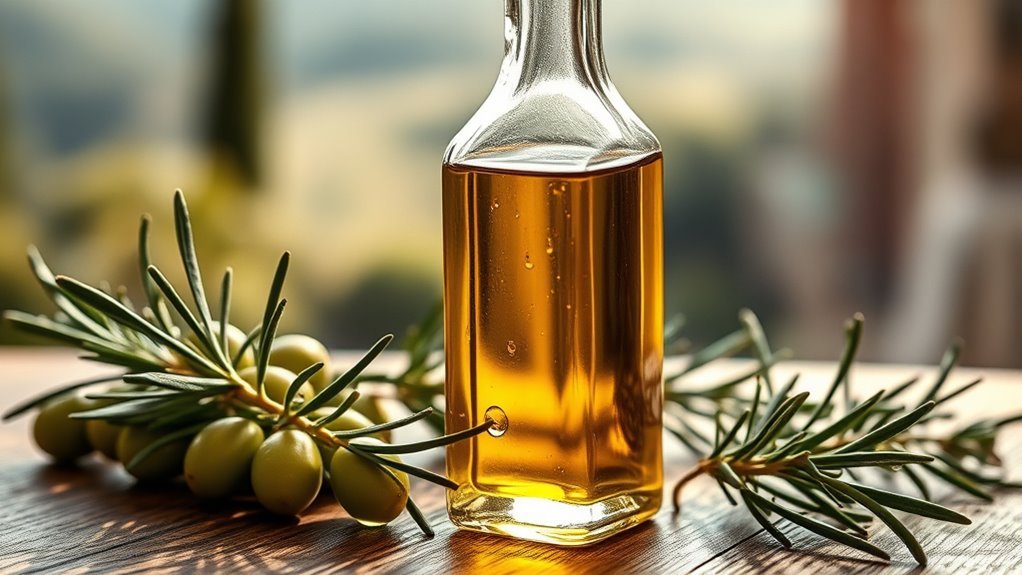

Yes, olive oil is keto-friendly! It’s high in monounsaturated fats and can help you maintain ketosis while supporting heart health. Olive oil also contains antioxidants that can reduce inflammation. You can easily incorporate it into your meals, whether it’s in dressings, marinades, or cooking. Remember to choose high-quality extra virgin olive oil for the best benefits. If you want to explore more about olive oil’s role in a keto diet, there’s plenty more to discover.
Nutritional Profile of Olive Oil
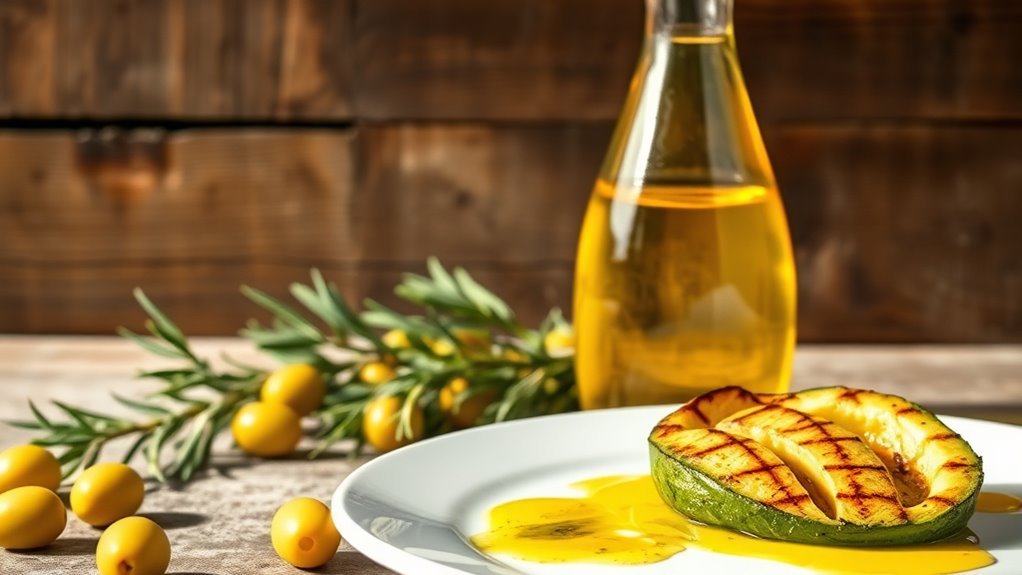
When it comes to healthy fats, olive oil stands out for its impressive nutritional profile. Rich in monounsaturated fats, it offers around 120 calories per tablespoon, primarily from these healthy fats. Its fat composition includes omega-3 and omega-6 fatty acids, which are essential for your body. The nutritional values also highlight vitamin E and K, contributing to its antioxidant properties. Olive oil’s flavor profile can vary widely, enhancing the culinary uses from dressings to marinades. Sourcing olive oil from reputable producers guarantees quality, especially if you’re following a Mediterranean diet, known for its emphasis on whole foods. Incorporating olive oil into your meals can elevate flavors while providing numerous health benefits.
Health Benefits of Olive Oil
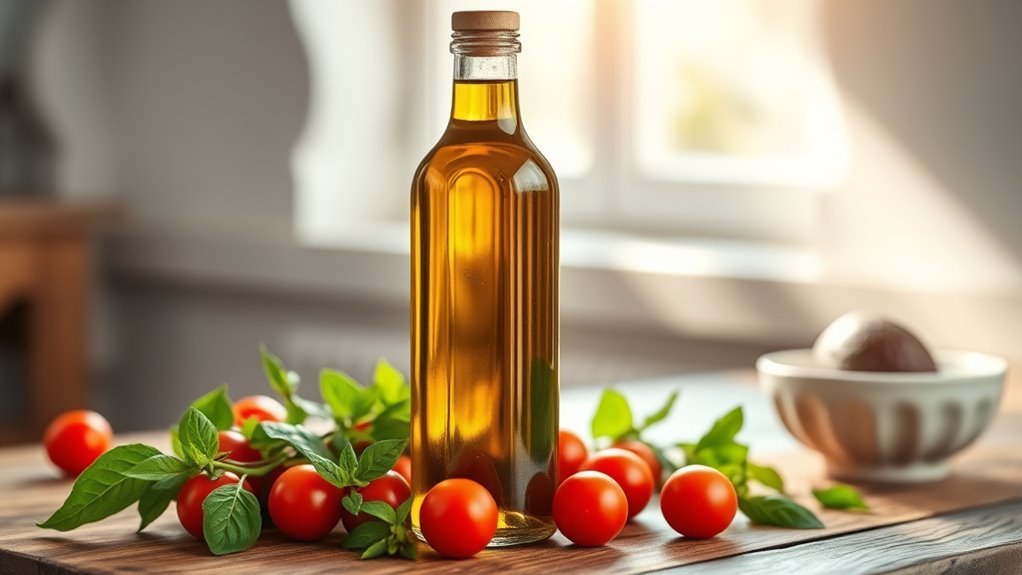
When you incorporate olive oil into your diet, you’re not just adding flavor; you’re also benefiting from its powerful antioxidant properties. Research suggests that these antioxidants can help combat oxidative stress, promoting overall health. Additionally, olive oil is linked to improved heart health, potentially reducing the risk of cardiovascular diseases.
Antioxidant Properties
Although many people enjoy the rich flavor of olive oil, its health benefits extend far beyond culinary uses, particularly due to its potent antioxidant properties. The primary antioxidants in olive oil, such as oleocanthal and oleuropein, offer significant antioxidant benefits that can help neutralize free radicals in your body. This is essential for reducing oxidative stress, which is linked to various chronic diseases. The quality of olive oil extraction plays an important role in preserving these antioxidants; cold-pressed methods retain more of the beneficial compounds compared to refined oils. By incorporating high-quality olive oil into your diet, you not only enhance your meals but also harness these powerful antioxidants to support your overall health and well-being.
Heart Health Benefits
Given its rich composition of monounsaturated fats and antioxidants, olive oil can play a pivotal role in promoting heart health. Studies show that incorporating olive oil into your diet can lower the risk of heart disease. The healthy fats in olive oil help reduce bad cholesterol levels while increasing good cholesterol, which is essential for maintaining a healthy cardiovascular system. Additionally, the antioxidants in olive oil, such as oleocanthal, have anti-inflammatory properties that may further benefit heart health. By choosing olive oil over saturated fats, you’re making a heart-friendly choice that aligns with a keto lifestyle. Furthermore, the importance of balanced dietary fat sources emphasizes that incorporating healthy fats like olive oil can support overall well-being. So, if you’re looking to support your heart health while enjoying flavorful meals, olive oil is a fantastic option to evaluate.
Olive Oil and Ketosis
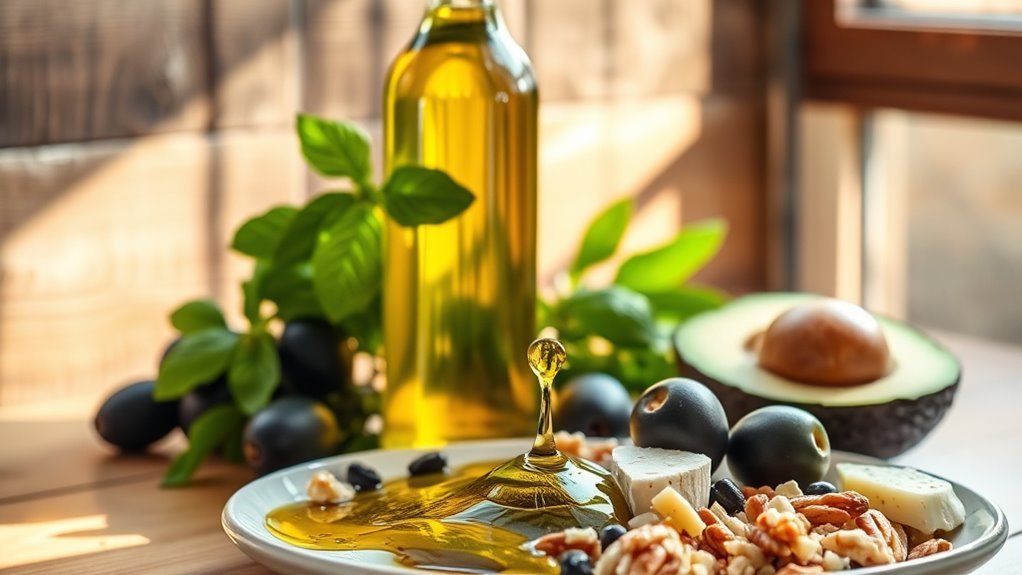
When you consider incorporating olive oil into a ketogenic diet, it’s essential to understand its health benefits and how it can be used in cooking. This oil is rich in healthy fats, which can support your goals for maintaining ketosis. Additionally, knowing the recommended daily intake can help you maximize its advantages while keeping your carb count in check.
Health Benefits of Olive Oil
Olive oil is more than just a flavorful addition to your meals; it’s a powerhouse of health benefits, especially when you’re following a ketogenic diet. Rich in monounsaturated fats, olive oil can help improve heart health by lowering bad cholesterol levels and raising good cholesterol. Its antioxidants, like vitamin E and polyphenols, may reduce inflammation and protect your cells from oxidative stress. Incorporating olive oil into your diet can also support weight management and enhance cognitive function. Plus, its high smoke point makes it versatile for various cooking methods. By choosing high-quality olive oil, you’re not just enriching your meals; you’re also embracing a lifestyle that prioritizes health, freedom, and wellness on your keto journey.
Olive Oil in Cooking
Incorporating olive oil into your cooking can considerably enhance your ketogenic diet while adding robust flavors to your meals. It’s essential to choose the right olive oil types and store them properly for maximum benefits. Here are some tips to take into account:
- Extra Virgin Olive Oil: Best for dressings and low-heat cooking, preserving its health benefits.
- Refined Olive Oil: Suitable for higher heat cooking, though it may have fewer nutrients.
- Storage: Keep olive oil in a cool, dark place to maintain freshness and flavor.
- Versatile Uses: Use olive oil for sautéing, roasting, or drizzling on dishes to elevate taste.
Daily Intake Recommendations
Adding olive oil to your meals can enhance not just the flavor but also the nutritional profile of your ketogenic diet. To maintain ketosis, it’s essential to monitor your daily intake. A typical serving size of olive oil is about 1-2 tablespoons, providing around 120-240 calories. Here’s a quick overview of recommended intake:
| Serving Size | Calories | Fat (g) |
|---|---|---|
| 1 tsp | 40 | 4.5 |
| 1 tbsp | 120 | 14 |
| 2 tbsp | 240 | 28 |
| 3 tbsp | 360 | 42 |
| 4 tbsp | 480 | 56 |
Aim for around 2-4 tablespoons daily, balancing your overall fat intake while enjoying the benefits of olive oil.
How to Incorporate Olive Oil Into a Keto Diet
While it may seem challenging to find healthy fats that fit within a keto diet, olive oil stands out as a versatile and nutritious option. You can easily incorporate this heart-healthy fat into your meals, enhancing flavor and nutrition. Here are some simple ideas:
Olive oil is a versatile, heart-healthy fat perfect for enhancing flavor and nutrition in your keto meals.
- Use olive oil in salad dressings for vibrant, low-carb options.
- Drizzle it over roasted vegetables to boost your healthy fat intake.
- Incorporate it into olive oil recipes, like marinades or sauces for meats.
- Add it to smoothies for a creamy texture and healthy fats.
Different Types of Olive Oil
When it comes to olive oil, there are several distinct types, each with its own unique flavor profile, nutritional benefits, and culinary uses. Understanding these variations can help you choose the best olive oil for your needs.
| Type | Quality Indicators | Culinary Uses |
|---|---|---|
| Extra Virgin | Low acidity, cold-pressed | Dressings, dips, finishing oil |
| Virgin | Slightly higher acidity, natural | Cooking, sautéing |
| Refined | Chemically processed, mild flavor | Baking, frying |
| Flavored Varieties | Infused with herbs or spices | Marinades, specialty dishes |
| Light | Mild taste, high smoke point | High-heat cooking, frying |
For storage, keep olive oil in a cool, dark place to maintain its quality. Enjoy experimenting with tasting notes and discovering your favorite varieties!
Cooking With Olive Oil on a Keto Diet
Cooking with olive oil on a keto diet can be not only beneficial but also delicious, as it provides healthy fats essential for maintaining ketosis. When you’re meal prepping or whipping up keto recipes, olive oil is a versatile choice. Here are some tips to enhance your cooking techniques:
- Choose the right oil temperature: Use low to medium heat to preserve nutrients.
- Utilize sautéing methods: Sauté vegetables or proteins for a quick, flavorful meal.
- Experiment with flavor pairing: Olive oil pairs well with garlic, lemon, and herbs.
- Consider ingredient substitutions: Swap butter or margarine for olive oil in your favorite recipes.
Additionally, incorporating olive oil into your meals can help promote heart health due to its rich monounsaturated fats. With proper food storage, you can keep olive oil fresh and ready for all your cooking adventures!
Olive Oil vs. Other Fats in a Keto Diet
Olive oil stands out among various fats commonly used in a keto diet due to its unique composition and health benefits. Its high monounsaturated fat content makes it a prime choice for promoting heart health, while its versatility allows you to use it in salads, cooking, and marinades. While other healthy fats like avocado oil and coconut oil also play important roles, olive oil offers a distinct flavor and numerous antioxidants that enhance your meals. It’s essential to balance your fat sources, as each type has its own benefits. Incorporating olive oil into your diet can help you enjoy healthy fats while keeping your meals exciting and flavorful, all while supporting your keto lifestyle.
Tips for Choosing Quality Olive Oil
Choosing quality olive oil is essential for maximizing its health benefits and flavor in your keto diet. To guarantee you’re picking the best option, look for these tips:
- Extra Virgin: Always opt for extra virgin olive oil, as it retains the highest levels of antioxidants and healthy fats.
- Cold-Pressed: Choose cold-pressed oils, which preserve the flavor profiles and nutrients.
- Dark Bottles: Select oils packaged in dark bottles to protect against light exposure that can degrade quality.
- Harvest Date: Check for a harvest date; fresher oil typically means better flavor and health benefits.
Frequently Asked Questions
Can Olive Oil Help With Weight Loss on a Keto Diet?
Yes, olive oil can aid in weight loss on a keto diet. Its benefits include promoting satiety, which helps you feel fuller longer, reducing overall calorie intake. Additionally, olive oil’s healthy fats can support your body’s fat-burning process, essential for keto weight loss. By incorporating it into your meals, you’re not only enhancing flavor but also nourishing your body with antioxidants and healthy fats, giving you the freedom to enjoy your diet while achieving your goals.
Is Olive Oil Suitable for High-Heat Cooking?
When you think of a sizzling pan, olive oil might not be your first choice for high-heat cooking. However, it can be suitable, especially extra virgin olive oil, which has a decent oil smoke point around 375°F. While it’s not as stable as some oils at high temperatures, its antioxidants provide some protection. Just keep an eye on the heat, and you’ll enjoy flavorful dishes without compromising your health!
How Should Olive Oil Be Stored for Freshness?
To keep olive oil fresh, store it in dark, airtight storage containers away from heat and light. Exposure to oxygen, heat, and sunlight can greatly reduce the oil’s shelf life, causing it to oxidize and lose flavor. A cool, dark pantry or cupboard is ideal. Remember, the better you store your olive oil, the longer you can enjoy its rich taste and health benefits, so treat it with care for maximum freshness!
Can Olive Oil Cause Digestive Issues on a Keto Diet?
Olive oil can cause digestive issues for some, but it also offers digestive benefits. You might find that your body absorbs healthy fats better, enhancing nutrient uptake. However, if you’re sensitive, the oil’s richness could lead to discomfort. It’s essential to listen to your body. Experimenting with the amount you use can help you find a balance, allowing freedom in your diet without sacrificing comfort. Stay mindful and adjust as needed!
Is There a Difference Between Extra Virgin and Regular Olive Oil?
Yes, there’s a difference between extra virgin and regular olive oil. Extra virgin olive oil is made from the first cold-press of olives, preserving more of its beneficial compounds and flavor. It boasts higher antioxidant levels, which can promote heart health. Regular olive oil undergoes more processing, losing some of these benefits. If you want the most health perks from your olive oil, opting for extra virgin is usually your best bet.
References
- https://www.healthline.com/nutrition/olive-oil-keto
- https://www.verywellfit.com/olive-oil-and-the-keto-diet-5194504
- https://www.ncbi.nlm.nih.gov/pmc/articles/PMC6534345/
- https://www.medicalnewstoday.com/articles/olive-oil-keto
- https://www.webmd.com/diet/health-benefits-olive-oil
- https://www.sciencedirect.com/science/article/pii/S0899900716300631
- https://www.reuters.com/article/us-health-keto-idUSKBN1X30OZ
- https://www.washingtonpost.com/wellness/2021/11/29/keto-diet-olive-oil/