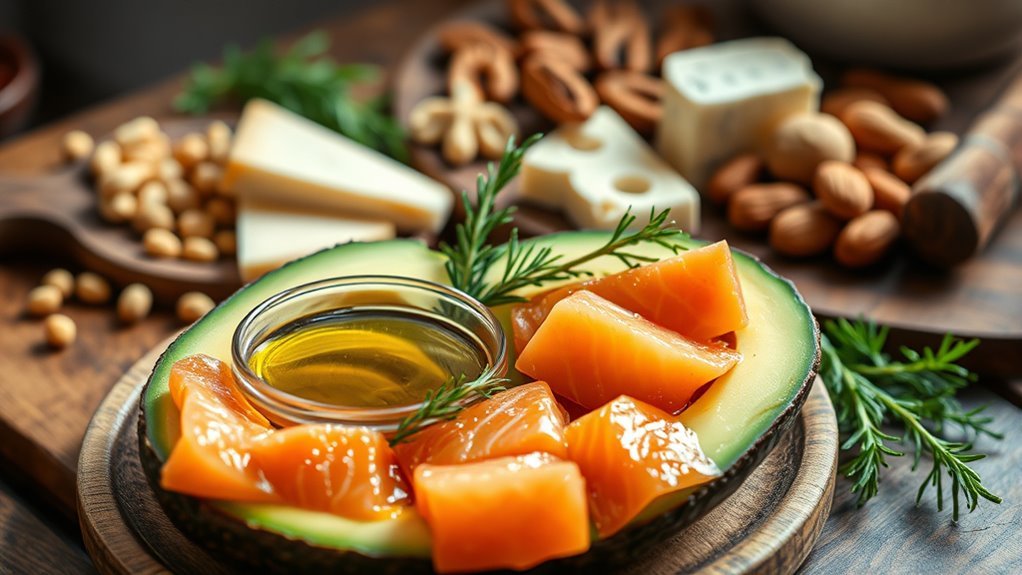

On a ketogenic diet, you should consume about 70-75% of your total daily calories from fat. For example, if you’re following a 2,000-calorie diet, that means aiming for 155-165 grams of fat each day. Healthy fats from sources like avocados, nuts, and olive oil are essential for maintaining ketosis and fueling your body effectively. By understanding these guidelines, you can enhance your keto experience even further. There’s more to discover about optimizing your fat intake for success.
Understanding the Ketogenic Diet
While many diets focus on calorie counting and macronutrient balance, the ketogenic diet takes a different approach by emphasizing high fat intake and very low carbohydrates. This method encourages your body to enter a state of ketosis, where it burns fat for fuel instead of glucose. You might encounter various keto misconceptions, such as the belief that eating fat will make you gain weight. In reality, the diet promotes fat loss when adapted properly. During the initial phase, diet adaptation can be challenging, as your body adjusts to relying on fats. However, once you’re through this shift, you’ll likely experience increased energy levels and mental clarity. Embracing keto can liberate you from traditional dieting constraints. Understanding the science behind ketosis can further enhance your experience on this diet.
The Role of Fats in the Keto Diet
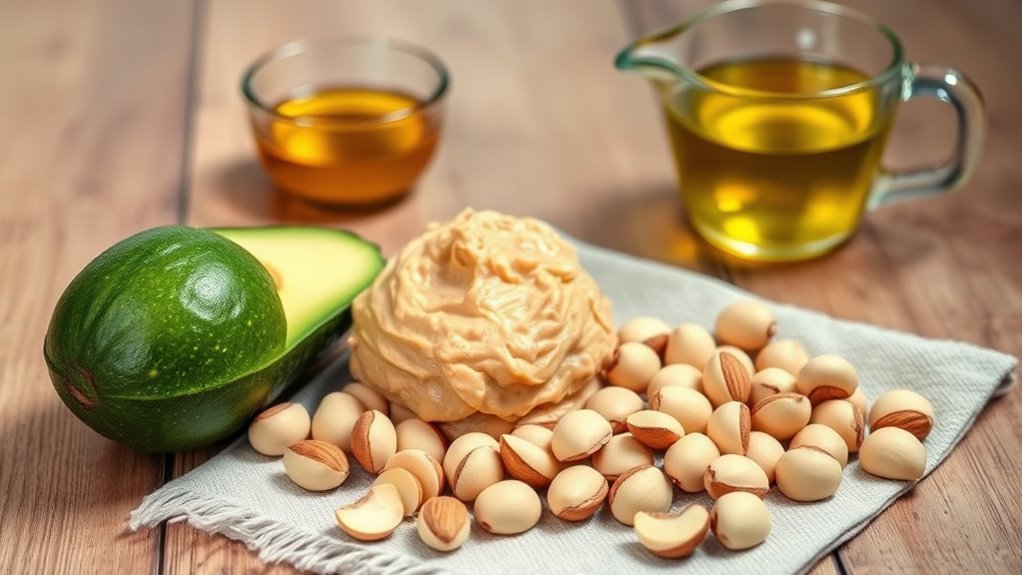
In a keto diet, fats are your primary source of energy, replacing carbohydrates. You’ll want to focus on healthy fats, like those from avocados, nuts, and olive oil, while adhering to specific daily intake guidelines to maintain ketosis. Understanding the types of fats and their appropriate amounts is essential for your success on this diet. Incorporating high-quality cooking oils into your meals can further enhance fat intake and promote ketosis.
Types of Healthy Fats
Understanding the types of healthy fats is essential for anyone starting on a keto diet, as these fats serve as the primary energy source while helping to maintain ketosis. You’ll want to focus on incorporating various sources of healthy fats:
- Oils and Butters: Use avocado oil, olive oil, and coconut butter for cooking and dressings.
- Protein and Dairy: Include fatty fish, grass-fed butter, and cheese options to boost your fat intake.
- Snacks and Treats: Enjoy nut butters, a variety of seeds, dark chocolate, and egg yolks for delicious snacks.
These fats not only fuel your body but also contribute to overall health, ensuring you enjoy the freedom that comes with a well-rounded keto lifestyle.
Daily Fat Intake Guidelines
Incorporating healthy fats into your diet is just the beginning; knowing how much fat to include daily is essential to achieving and maintaining ketosis. Dietary guidelines suggest that fat consumption should make up about 70-75% of your total daily calories. For instance, if you consume 2,000 calories a day, aim for around 155-165 grams of fat. Focus on quality sources like avocados, nuts, and olive oil to optimize health benefits. Remember, balancing your macronutrients is vital; while fats are your primary energy source, make sure you’re also getting adequate protein and minimal carbohydrates. Monitoring your intake can empower you to enjoy the freedom of a keto lifestyle while staying on track with your health goals. Additionally, understanding metabolic adaptation is crucial, as it enables your body to efficiently switch from burning glucose to utilizing fat for energy.
Determining Your Daily Caloric Needs
To determine your daily caloric needs on a keto diet, you’ll first want to calculate your Basal Metabolic Rate (BMR), which estimates how many calories your body requires at rest. Next, factor in your activity level to find your total daily energy expenditure (TDEE), which accounts for calories burned through exercise and daily activities. Understanding these numbers is essential for tailoring your fat intake to support your dietary goals effectively. Additionally, knowing your carbohydrate metabolism can help you better understand how to adjust your fat intake for optimal results.
Calculate Basal Metabolic Rate
Calculating your Basal Metabolic Rate (BMR) is crucial for determining your daily caloric needs, especially on a keto diet where macronutrient ratios are important. Your BMR represents the number of calories your body requires at rest to maintain basic functions. To perform a BMR calculation, you’ll want to take into account three key factors:
- Age: Your age affects metabolic rate; younger individuals generally have higher BMRs.
- Gender: Men typically have a higher BMR than women due to muscle mass differences.
- Weight and Height: These measurements help estimate your overall body composition.
Factor in Activity Level
While understanding your Basal Metabolic Rate (BMR) is essential, it’s equally important to factor in your activity level to determine your daily caloric needs accurately. The intensity of your activities—whether light, moderate, or vigorous—directly influences how many calories you burn. For those aiming for fat adaptation on a keto diet, recognizing your activity intensity helps tailor your fat consumption. If you engage in high-intensity workouts, your body may require more calories and fat to sustain energy levels. Conversely, if your activity is minimal, your caloric needs will be lower. Balancing your fat intake with your activity level allows you to optimize your energy, maintain muscle mass, and effectively support your keto lifestyle. Additionally, understanding nutritional deficiencies can help you make informed decisions about your fat consumption on the keto diet.
Macronutrient Ratios for Keto Success
Achieving success on a keto diet hinges on understanding the right macronutrient ratios. Your meal planning should focus primarily on fat, aiming for a high fat percentage while minimizing carbs and protein. Here’s a suggested breakdown to guide you:
- Fat: 70-75% of your daily caloric intake. This high fat percentage fuels ketosis.
- Protein: 20-25%, enough to maintain muscle mass without kicking you out of ketosis.
- Carbohydrates: 5-10%, keeping your intake low to promote fat burning.
These ratios aren’t just numbers; they’re essential for creating a sustainable and enjoyable keto lifestyle. By adhering to these guidelines, you’ll empower yourself to embrace the freedom that comes with effective meal planning and successful fat consumption on your keto journey. Additionally, understanding your daily macronutrient needs is crucial for tracking success and ensuring you meet your dietary goals.
Types of Fats to Include in Your Diet
Incorporating the right types of fats into your keto diet is vital for maintaining ketosis and reaping the diet’s benefits. Focus on a balance of saturated and unsaturated fats to optimize your fat sources. Healthy oils, like olive oil and avocado oil, are excellent choices for cooking fats, while coconut oil provides both saturated fat benefits and versatility. Don’t fall for fat misconceptions; dietary fats are important for energy and hormone production. Aim for a variety of fat types, including animal fats, nuts, and seeds, to guarantee you’re meeting your nutritional needs. By understanding fat balance, you’ll not only enjoy your meals but also support your overall health while thriving on a keto diet. Additionally, incorporating healthy fats from sources like avocados and nuts can maximize your health benefits and provide essential energy for your body.
Adjusting Fat Intake for Weight Loss
To effectively lose weight on a keto diet, you may need to adjust your fat intake based on your individual goals and responses. Here’s how you can approach it:
- Assess your calorie needs: Calculate your daily caloric intake for weight loss, which typically involves a deficit from your maintenance level.
- Modify fat sources: Experiment with different types of fats. Healthy options include avocados, olive oil, and nuts. Adjust the quantities to find what keeps you satisfied.
- Monitor your progress: Track your weight loss and overall well-being. If you’re not seeing results, consider lowering your fat intake slightly. Additionally, understanding macronutrient ratios can help ensure you’re maintaining ketosis while adjusting your fat consumption.
Monitoring Your Progress and Adjustments
As you adjust your fat intake for weight loss, keeping track of your progress becomes essential. Monitoring your weight, body measurements, and energy levels provides valuable insights into your keto journey. Use apps or journals to log your daily intake and the effects on your body. This data helps you identify patterns and make informed adjustments to your fat intake. If weight loss stalls, consider tweaking your macros or evaluating your adherence to the diet. Remember, individual responses vary, so what works for one person may not work for another. By consistently tracking progress and adjusting intake, you empower yourself to achieve your goals and enjoy the freedom that comes with a successful keto lifestyle. Additionally, focusing on carbohydrate reduction is vital for maintaining ketosis and optimizing fat burning.
Common Mistakes to Avoid
While starting on a keto diet can be a transformative experience, it’s crucial to steer clear of common mistakes that may hinder your progress. Here are three pitfalls to watch out for:
- Neglecting Portion Control: Even when focusing on quality fats, excessive consumption can sabotage your nutrient balance. Track your intake to confirm you’re not overdoing it.
- Ignoring Hidden Sugars: Many processed foods contain hidden sugars that can kick you out of ketosis. Meal planning helps you avoid these traps.
- Emotional Eating: Relying on food for comfort can lead to poor choices. Instead, explore flavor enhancement with herbs and spices to keep meals satisfying without derailing your goals.
Staying mindful of these mistakes will set you up for keto success.
Tips for Sustainable Keto Living
Implementing a sustainable keto lifestyle requires thoughtful planning and adaptability. Begin by embracing meal prep; dedicating a few hours weekly to prepare keto-friendly meals makes it easier to stick to your goals. Batch-cook proteins and veggies, and portion them out for quick access during busy days.
Don’t overlook snack options that align with your keto journey. Keep nuts, cheese, and low-carb veggies handy to curb cravings without derailing your progress.
Stay informed about new recipes or products that can enhance your diet without feeling restrictive. This way, you won’t just follow a diet; you’ll cultivate a lifestyle. Remember, it’s all about balance and making choices that keep you satisfied and thriving on your keto journey.
Frequently Asked Questions
Can I Consume Too Much Fat on a Keto Diet?
Imagine a ship sailing the seas of health; too much cargo can sink it. Yes, you can consume too much fat on a keto diet. Many keto misconceptions suggest that more fat equals faster results, but that’s a fat overload waiting to happen. Excessive fat can lead to imbalances and hinder your progress. It’s essential to find the right balance, allowing your body to thrive without drowning in excess. Navigate wisely for true freedom!
What Are the Best Sources of Healthy Fats?
The best sources of healthy fats include avocado oil and coconut butter. Avocado oil’s rich in monounsaturated fats, which support heart health, while coconut butter offers medium-chain triglycerides (MCTs) that can enhance energy levels. Incorporating these fats into your diet not only adds flavor but also provides essential nutrients. You’ll find that using these sources can help you maintain a balanced, enjoyable eating experience while pursuing your health goals.
How Do I Balance Fat Intake With Protein?
Balancing fat intake with protein’s essential. Start by determining your fat ratios—typically, you’ll want about 70-75% of your daily calories from fat. Incorporate quality protein sources like chicken, fish, or tofu, aiming for 20-25% of your intake. Adjust as needed, listening to your body. You might find that a bit more protein keeps you satisfied, while still enjoying the freedom that comes with a higher fat diet.
Are There Any Side Effects of High Fat Consumption?
Yes, high fat consumption can lead to side effects like high cholesterol and digestive issues. When you increase fat intake considerably, it may raise your LDL cholesterol levels, which could pose heart health risks. Additionally, a sudden shift to a high-fat diet can cause digestive problems, such as diarrhea or bloating, as your body adjusts. It’s essential to monitor how your body responds and consider a balanced approach to fat consumption for ideal health.
How Can I Track My Fat Intake Effectively?
To track your fat intake effectively, use apps for fat tracking that simplify monitoring. Set daily goals, log meals, and review your progress. Weighing food can help you understand portion sizes, keeping you accountable. Remember, consistency is key, so make it a daily habit. By actively engaging in intake monitoring, you’ll gain insights into your eating patterns, empowering you to make informed choices while enjoying the freedom of a varied diet.
References
- https://www.ncbi.nlm.nih.gov/pmc/articles/PMC6831895/
- https://www.healthline.com/nutrition/ketogenic-diet-101
- https://www.diabetes.org/nutrition/healthy-foods/what-is-the-keto-diet
- https://www.ncbi.nlm.nih.gov/pmc/articles/PMC7318486/
- https://www.webmd.com/diet/what-is-the-keto-diet
- https://www.mayoclinic.org/healthy-lifestyle/nutrition-and-healthy-eating/expert-answers/keto-diet/faq-20458220
- https://www.cdc.gov/healthyweight/healthy_eating/index.html
- https://www.hsph.harvard.edu/nutritionsource/keto-diet/