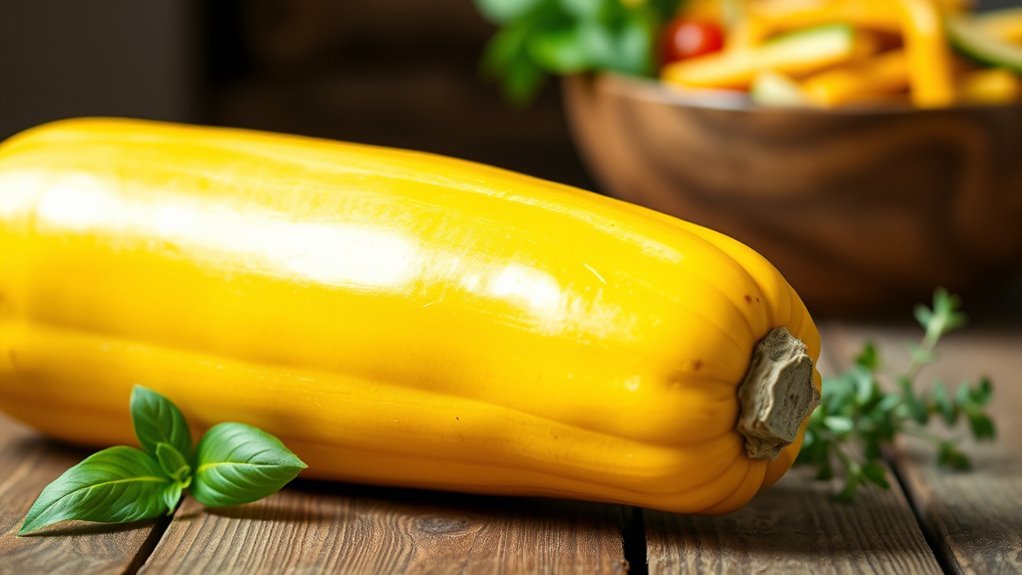

Yes, squash can fit into a ketogenic diet, but it depends on the variety you choose. Zucchini and yellow squash are low in carbs, making them excellent options, while butternut and acorn squash have higher carb counts. Including squash provides essential nutrients and fiber without spiking your carb intake. Just remember to balance your meals with proteins and healthy fats. You’ll discover tasty ways to incorporate squash into your meals as you explore further.
Understanding the Ketogenic Diet
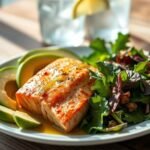
While some diets focus on calorie counting or food groups, the ketogenic diet emphasizes a significant reduction in carbohydrates and an increase in fats to shift the body’s metabolism into ketosis. Understanding the keto fundamentals is key for anyone looking to embrace this lifestyle. By limiting carbs, you’ll often face dietary restrictions that require careful planning and consideration. This approach can lead to weight loss and improved energy levels, but it’s imperative to guarantee you’re still getting essential nutrients. Incorporating healthy fats, such as avocados, nuts, and olive oil, is critical, while being mindful of your protein intake. Balancing macronutrient intake allows you the freedom to enjoy meals without feeling deprived, making the ketogenic diet a sustainable choice for many.
Types of Squash and Their Nutritional Profiles
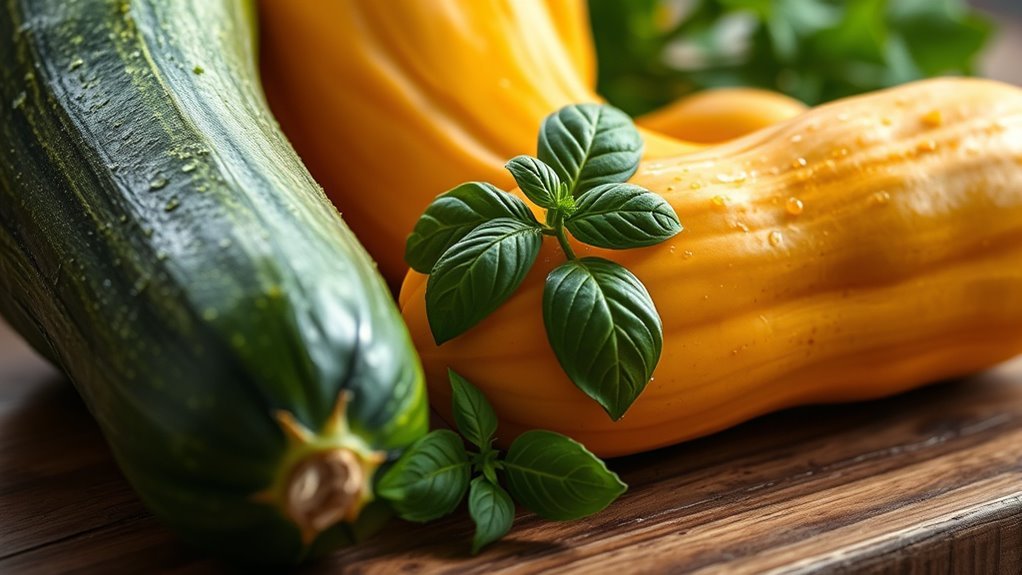
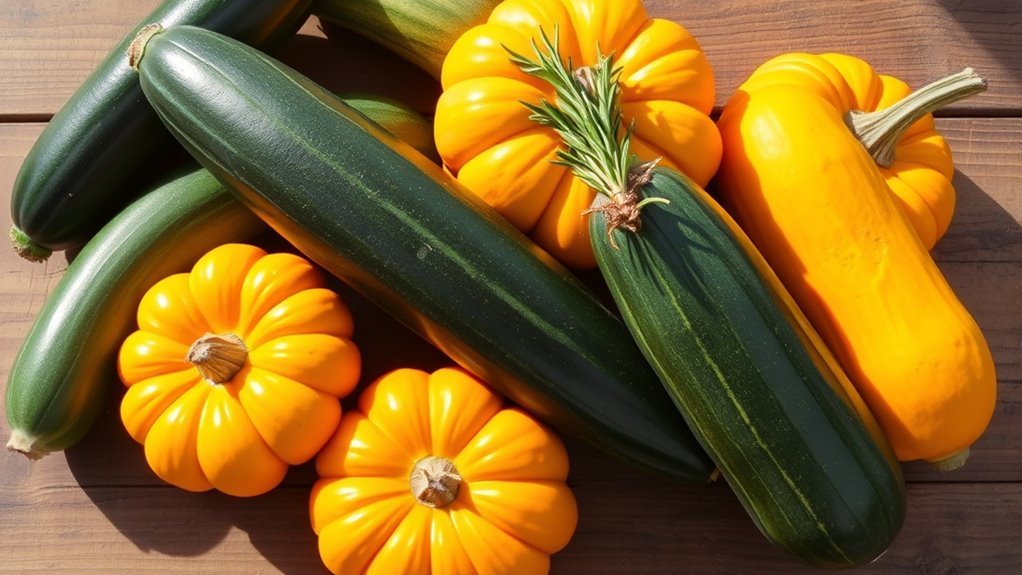
When considering squash on a ketogenic diet, it’s important to look at the nutritional breakdown of different varieties. Each type of squash has its own unique carb content, which can greatly impact your daily intake. By comparing these profiles, you can make informed choices that align with your keto goals.
Nutritional Breakdown of Varieties
Understanding the nutritional profiles of different squash varieties can help you make informed choices in your keto diet. Each squash type has its unique nutrient variations, which can impact your meal planning.
| Squash Type | Calories (per 100g) | Fiber (g) |
|---|---|---|
| Zucchini | 17 | 1.1 |
| Butternut | 45 | 2.0 |
| Acorn | 40 | 1.5 |
Zucchini is low in calories and offers a decent fiber content, making it a popular choice. Butternut squash, while slightly higher in calories, packs more fiber, providing a satisfying texture. Acorn squash offers a balanced option with moderate calories and fiber. With this knowledge, you can select the best squash to fit your keto lifestyle. Additionally, understanding the carbohydrate content of each squash helps ensure your meals align with keto principles.
Carb Content Comparison
Choosing squash for a keto diet requires careful consideration of their carbohydrate content, as this can greatly affect your daily intake. Not all squash varieties are created equal when it comes to keto compatibility. For instance, butternut squash has about 12 grams of carbs per cup, making it less ideal for strict keto. In contrast, zucchini and yellow squash are lower in carbs, with around 4-5 grams per cup, making them excellent choices. Spaghetti squash falls somewhere in between, with about 7 grams of carbs. Understanding these differences helps you make informed decisions that align with your dietary goals. By selecting the right squash varieties, you can enjoy delicious meals while keeping your carb count in check. Additionally, being aware of net carbs per 100g can further assist you in managing your carb intake effectively.
Carb Count: Is Squash Low Enough for Keto?
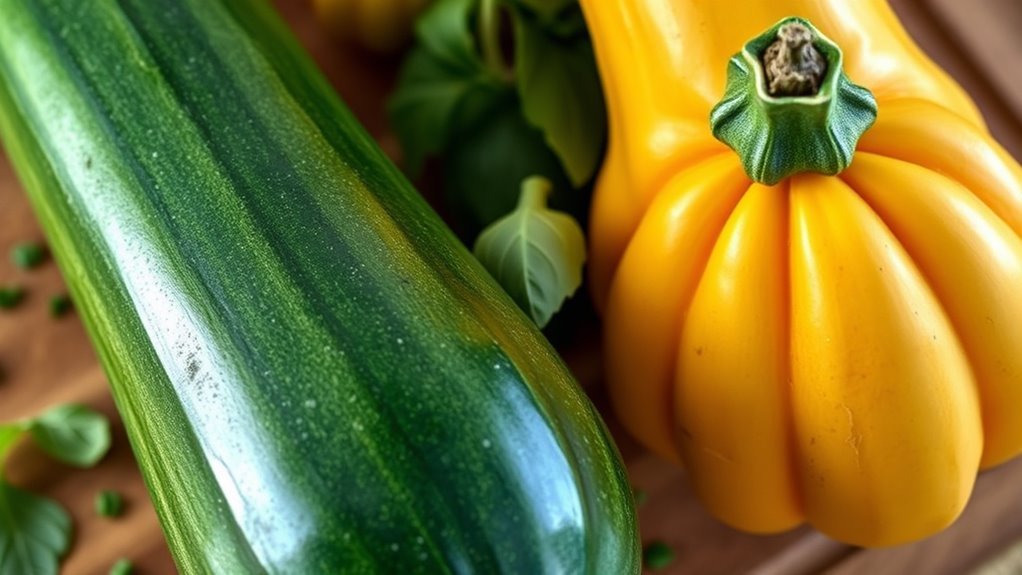
How does squash fit into a ketogenic diet when it comes to carb counts? Understanding the carb content of different squash varieties is essential for evaluating their keto compatibility. Here’s a quick comparison:
| Squash Variety | Net Carbs (per 1 cup) | Keto Compatibility |
|---|---|---|
| Zucchini | 2g | Highly Compatible |
| Butternut Squash | 13g | Moderately Compatible |
| Acorn Squash | 15g | Limited Compatibility |
| Spaghetti Squash | 7g | Compatible |
As you can see, while some squash varieties are low in carbs and fit well into a keto lifestyle, others may need to be consumed in moderation. Understanding these differences helps you make informed choices on your keto journey. Incorporating low-carb vegetables into your meals can enhance your overall nutrient intake while staying within your carb limits.
Health Benefits of Squash on a Keto Diet
Incorporating squash into your keto diet can offer significant nutrient density benefits, as it’s packed with vitamins and minerals while being relatively low in carbs. This makes it an excellent choice for maintaining energy levels and supporting overall health without compromising your carb limits. Additionally, you’ll find a variety of squash types that can fit seamlessly into your meal plans, providing both flavor and nutrition.
Nutrient Density Benefits
While many people associate a keto diet with high-fat foods, the inclusion of nutrient-dense vegetables like squash can greatly enhance your health. Squash boasts impressive vitamin content and mineral diversity, supporting nutrient absorption essential for overall well-being. Its fiber benefits help regulate digestion, while its phytonutrient richness offers antioxidant properties that combat oxidative stress. This health synergy not only contributes to improved metabolic effects but also aids in maintaining energy levels. Incorporating squash into your meals can boost your nutrient profile without compromising your dietary goals. Embracing these benefits allows you to experience the full potential of a keto lifestyle, ensuring you’re not just cutting carbs but enriching your body with crucial nutrients.
Low Carb Options
Choosing low-carb options is essential for maintaining a successful keto diet, and squash can be a valuable addition to your meal plan. Zucchini noodles are a popular substitute for traditional pasta, offering a low-carb alternative that fits perfectly into your keto lifestyle. They’re easy to prepare and can be enjoyed with your favorite sauces and toppings. Spaghetti squash is another excellent choice; when cooked, its flesh separates into strands resembling spaghetti, providing a satisfying base for a variety of dishes. Both options are not only low in carbs but also rich in vitamins and minerals, supporting your overall health. Incorporating these squashes into your diet allows you to enjoy delicious meals while staying on track with your keto goals. Additionally, zucchini’s minimal carb content helps maintain daily carbohydrate limits for ketosis, supporting the state of fat-burning in ketogenic diets.
How to Incorporate Squash Into Your Keto Meal Plan
To successfully include squash in your keto meal plan, start by understanding its carbohydrate content and how it fits into your daily macros. Different squash varieties, like zucchini and spaghetti squash, can be lower in carbs compared to others, making them ideal for keto meal prepping. Aim to incorporate these versatile options in your meals to add flavor and texture without overloading on carbs. For instance, spiralized zucchini can serve as a great pasta substitute, while roasted spaghetti squash can create a hearty base for various toppings. Remember to balance these with your protein and healthy fats to maintain ketosis. With mindful planning, squash can become a satisfying and nutritious part of your keto lifestyle. Additionally, portion control is essential when incorporating delicata squash to keep net carbs in check.
Delicious Keto Squash Recipes to Try
If you’re looking to spice up your keto meal plan, incorporating delicious squash recipes can be a game changer. From hearty keto squash casseroles to vibrant roasted squash medleys, these dishes offer variety and flavor without compromising your dietary goals. Here are some ideas to get you started:
| Recipe Type | Description |
|---|---|
| Keto Squash Casserole | Creamy, cheesy layers of goodness. |
| Roasted Squash Medley | A mix of seasonal squash, herbs, & spices. |
| Stuffed Acorn Squash | Filled with ground meat and cheese. |
| Zucchini Noodles | A low-carb alternative to pasta. |
| Butternut Squash Soup | A warm, comforting bowl of flavors. |
Including squash in your diet can enhance your meals while keeping carb counts low, making it a perfect fit for a keto lifestyle. These recipes not only taste great but also keep your keto journey enjoyable and satisfying.
Squash Alternatives for Your Keto Journey
Finding the right substitutes for squash on a keto diet can enhance your meal variety while keeping your carb intake in check. Consider using zucchini or cauliflower as excellent squash substitutes. Zucchini is versatile, perfect for noodles or stir-fries, while cauliflower can be mashed or riced, offering a satisfying texture. Other keto-friendly vegetables include broccoli and bell peppers, which provide essential nutrients and add flavor to your dishes. If you’re craving something hearty, try spaghetti squash in moderation, as it fits your carb limit. By incorporating these options, you’ll enjoy a diverse range of meals without sacrificing your keto goals. Embrace these alternatives, and you’ll find freedom in your culinary choices while maintaining a balanced diet. Additionally, cruciferous vegetables like broccoli are rich in fiber and vitamins, making them perfect for supporting your overall health on a keto diet.
Frequently Asked Questions
Can I Eat Squash on a Strict Keto Diet?
Yes, you can enjoy squash on a strict keto diet, but it’s important to choose keto-friendly varieties like zucchini or yellow squash. Think of your plate as a garden, where every choice matters. Portion control is key; stick to small servings to keep carb counts low. Remember, moderation allows you the freedom to include a variety of foods while maintaining your goals. Balance is the name of the game in your keto journey!
How Does Squash Affect Ketosis Levels?
Squash can impact your ketosis levels due to its nutrition profile. While it’s relatively low in carbs, certain types, like butternut, contain more sugars than others. If you consume squash in moderation, it might not greatly disrupt ketosis, but overindulgence could lead to increased carb intake. Always monitor your overall daily carbs to guarantee you stay within your limits. Balancing squash with other low-carb veggies can help maintain ketosis while enjoying its benefits.
What Is the Best Time to Eat Squash on Keto?
You’ll want to enjoy squash varieties like zucchini or butternut during your meals, ideally lunch or dinner, when your body’s energy needs are sky-high! Imagine diving into a vibrant, warm bowl of roasted squash, fueling your day. Meal timing can be essential; eating it later allows for better digestion and energy release, keeping you in the keto zone. Just remember to balance it with healthy fats to maintain that sweet freedom of ketosis!
Are There Any Keto-Friendly Squash Sauces or Toppings?
Yes, there are plenty of keto-friendly squash sauces and toppings! You can whip up delicious squash sauce recipes using olive oil, garlic, and herbs for a flavorful addition. Consider toppings like grated Parmesan, avocado, or a sprinkle of crushed nuts for added texture. These options not only enhance the taste but also keep your carb count low, letting you enjoy your meals without feeling restricted. Experiment and find what you love!
Can I Grow Squash in a Keto-Friendly Garden?
Absolutely, you can grow squash in a keto-friendly garden! Picture your garden bursting with vibrant squash varieties like zucchini and butternut. For successful garden preparation, guarantee you have well-drained soil and plenty of sunlight. These hearty plants thrive in warm weather, and with proper care, they’ll reward you with a bountiful harvest. Just remember to monitor their growth and enjoy the freedom of fresh, homegrown produce that fits your lifestyle!
References
- https://www.healthline.com/nutrition/keto-diet-food-list#vegetables
- https://www.ncbi.nlm.nih.gov/pmc/articles/PMC6521004/
- https://www.medicalnewstoday.com/articles/keto-diet-foods
- https://www.foodnetwork.com/healthyeats/2018/10/the-best-and-worst-vegetables-for-keto
- https://www.webmd.com/diet/what-to-eat-on-keto-diet
- https://www.mayoclinic.org/healthy-lifestyle/nutrition-and-healthy-eating/expert-answers/keto-diet/faq-20472834
- https://www.nutrition.gov/topics/nutrition-101/keto-diet
- https://www.thekitchn.com/keto-diet-vegetables-22994238