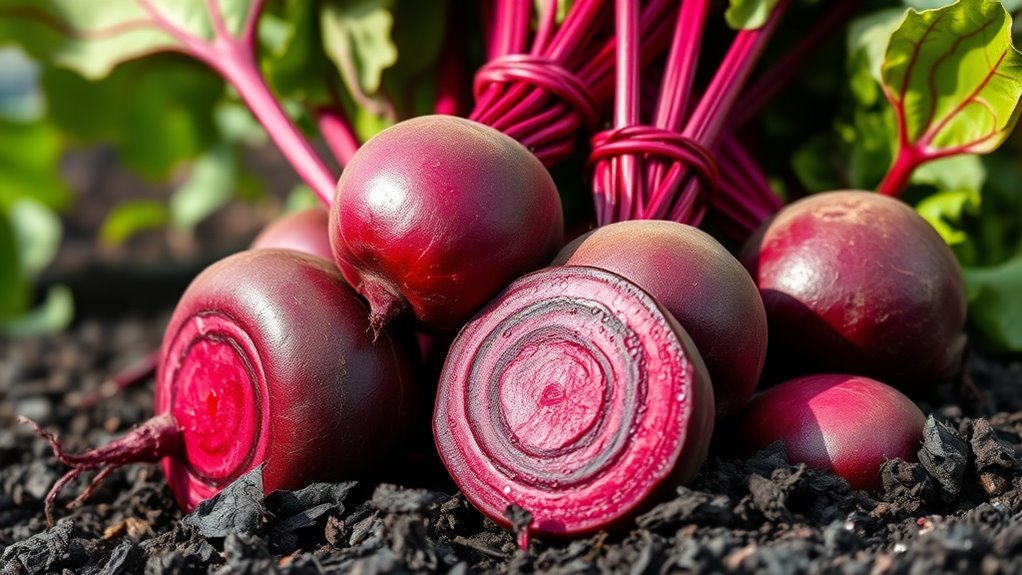

Yes, you can eat beets on a ketogenic diet, but moderation is key due to their carbohydrate content. Beets contain about 6.2 grams of net carbs per 100 grams. Their moderate glycemic index can impact blood sugar levels, which may hinder ketosis for some. Pairing them with fats or proteins can help mitigate this effect. Thoughtful meal planning guarantees you can enjoy beets while staying within your carb limits. You might find creative ways to incorporate them into your meals.
Understanding the Ketogenic Diet
When you immerse yourself in the ketogenic diet, you’ll find it’s more than just a trendy eating plan; it’s a metabolic approach that emphasizes high fat, moderate protein, and very low carbohydrates. The keto principles revolve around shifting your body into a state of fat adaptation, where fat becomes your primary fuel source instead of glucose. This change can take a few days to weeks, but it’s worth it for many seeking increased energy and mental clarity. By drastically reducing carbs, your body learns to efficiently burn fat for energy, which can lead to weight loss and improved health markers. Understanding these fundamentals empowers you to make informed choices, ensuring you enjoy the freedom and benefits the ketogenic lifestyle offers. Additionally, the metabolic adaptation involved in this process helps stabilize energy levels and reduce cravings.
Nutritional Profile of Beets
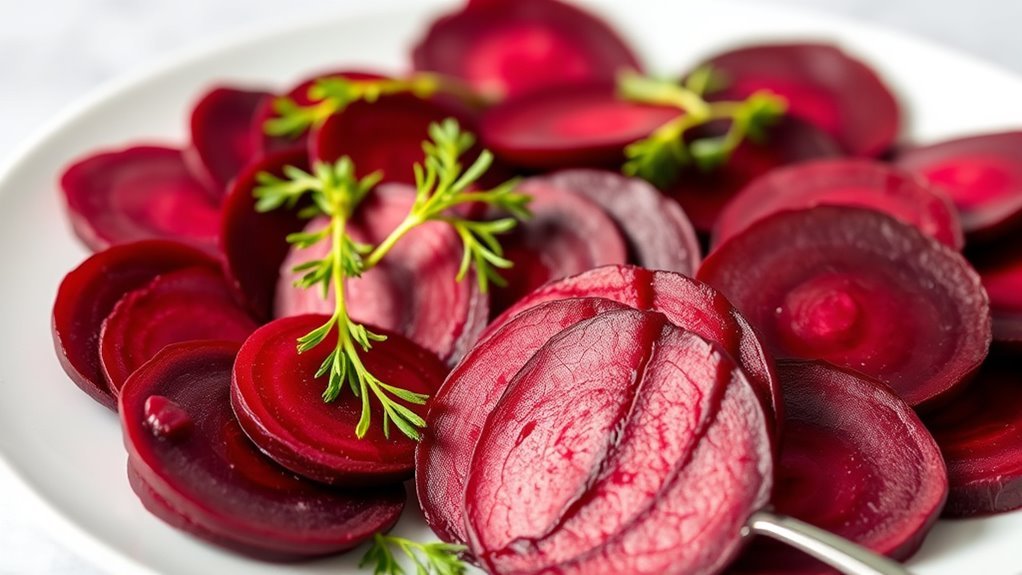
Beets, often celebrated for their vibrant color and earthy flavor, also boast an impressive nutritional profile. You’ll find various beet varieties, like red, golden, and candy-striped, each offering unique nutrients. They’re low in calories yet high in essential vitamins and minerals, such as vitamin C, potassium, and folate. Their fiber content promotes digestive health, making them a valuable addition to your diet. Cooking methods can influence their nutritional benefits; steaming or roasting can preserve more nutrients compared to boiling. If you’re looking to diversify your meals, consider incorporating beets into salads, smoothies, or side dishes. Understanding their nutritional profile can empower you to make informed choices in your keto journey while enjoying the freedom of varied flavors.
Carbohydrate Content in Beets
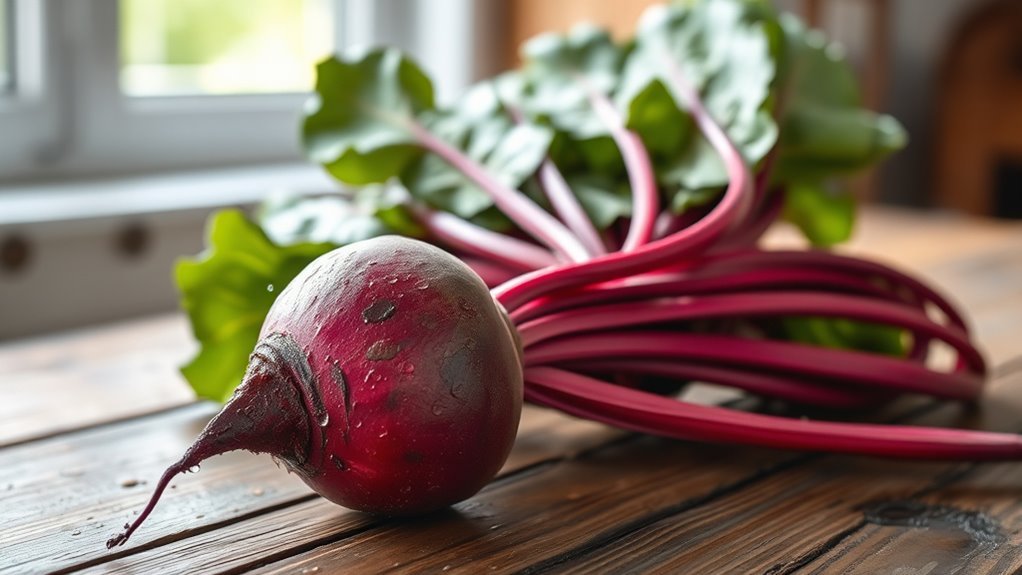
When considering beets on a keto diet, it’s important to look at their carbohydrate content. Beets contain natural sugars and fiber, which contribute to their total carbohydrate count, but calculating net carbs can help you make informed choices. Understanding this breakdown will help you determine how they fit into your daily carb limits.
Beet Carbohydrate Breakdown
Although many people enjoy beets for their earthy flavor and vibrant color, understanding their carbohydrate content is essential for those following a ketogenic diet. Beets contain about 9 grams of carbohydrates per 100 grams, primarily coming from natural sugars. However, they also offer beneficial nutrients, including beet fiber, which can aid digestion and promote gut health. Additionally, beets are rich in antioxidants, providing various health benefits, such as supporting heart health and reducing inflammation. While you may want to enjoy beets in moderation on a keto diet, their nutritional value can enhance your meals. Balancing your intake while being mindful of carbs allows you to appreciate beets without compromising your dietary goals. Furthermore, the higher carb content of beets compared to many non-starchy vegetables may necessitate careful consideration in meal planning for those on a strict keto diet.
Net Carbs in Beets
For those on a keto diet, understanding the net carbs in beets is key to making informed food choices. Beets contain about 9 grams of total carbohydrates per 100 grams, but you’ll want to focus on net carbs, which are calculated by subtracting fiber content. Since beets have around 2.8 grams of fiber in that same serving, the net carbs amount to about 6.2 grams. While beets aren’t strictly keto-friendly, you can still enjoy them in moderation. They can add vibrant flavor and nutrients to your meals. Consider incorporating beets into keto-friendly recipes, such as salads or roasted dishes, where you can balance their carb content with low-carb ingredients. Enjoy the freedom to explore while staying mindful of your carb intake!
Glycemic Index of Beets
Understanding the glycemic index (GI) of beets is essential for those following a ketogenic diet, as it helps determine how the food may affect blood sugar levels. Beets have a moderate GI, typically ranging from 61 to 64, which means they can cause a noticeable glycemic response. This may lead to an increase in blood sugar, something you want to monitor on a keto diet. While beets are nutritious, their carbohydrate content can impact your ketone production. If you’re sensitive to fluctuations in blood sugar, you might want to limit your intake or combine beets with healthy fats or proteins to mitigate their effect. Ultimately, it’s about finding a balance that aligns with your dietary goals. Additionally, regular consumption of high carb foods can hinder your ability to maintain ketosis, so it’s important to pay attention to your overall carb intake.
Health Benefits of Beets
While beets may pose some challenges for those on a ketogenic diet due to their glycemic index, they also offer a range of health benefits that shouldn’t be overlooked. Beets are rich in antioxidants, which help combat oxidative stress in your body. Their vibrant color comes from betalains, known for their anti-inflammatory properties. Furthermore, beets can support heart health by improving blood flow and lowering blood pressure, thanks to their dietary nitrates. Additionally, their nutrient density makes them a valuable addition to meals when consumed in moderation.
Here’s a quick look at some key benefits:
| Benefit | Description |
|---|---|
| Antioxidant Properties | Helps reduce oxidative stress |
| Heart Health | May improve blood flow and lower BP |
| Nutrient-Rich | Packed with vitamins and minerals |
| Anti-Inflammatory | Supports overall inflammation control |
Portion Control on a Keto Diet
When you’re following a keto diet, portion control is essential for staying within your daily carb limits. Understanding serving sizes helps you manage your carb intake effectively, especially with foods like beets that contain natural sugars. Balancing beets with other low-carb foods can enhance your meals while keeping you on track with your keto goals. Additionally, it’s important to note that recommended daily carb intake should be limited to 20-50 grams to maintain ketosis.
Serving Size Matters
Portion control is vital on a keto diet, especially when it comes to foods like beets that can be higher in carbohydrates than you might expect. To enjoy beets while staying within your carb limits, it’s important to pay attention to serving sizes. Here are three tips for effective portion control:
- Measure Your Portions: Use a food scale or measuring cups to verify you’re not overindulging.
- Limit Frequency: Consider enjoying beets only occasionally rather than daily to manage your overall carb intake.
- Pair Wisely: Combine beets with low-carb foods like leafy greens to balance your meals and keep your carb count in check. Additionally, understanding carbohydrate content is essential for maintaining your keto lifestyle.
Carb Counting Importance
Carb counting is vital on a keto diet, as it helps you maintain the state of ketosis that your body relies on for fat burning. By tracking your carbohydrate intake, you can guarantee that you stay within your daily limits, allowing for keto flexibility without sacrificing results. It’s important to recognize how different foods, including those like beets, can impact your carb count. Portion control becomes key here; even healthy foods can disrupt ketosis if eaten in excess. With mindful carb counting, you can enjoy a variety of foods while still achieving your health goals. Ultimately, understanding your carb limits empowers you to make informed choices, fostering a sense of freedom in your keto journey. Additionally, being aware of carbohydrate content in various foods can help you make better dietary decisions.
Balance With Other Foods
While it’s tempting to indulge in various foods on a keto diet, finding the right balance with other foods is crucial for maintaining ketosis. Beets can fit into your meal plan, but portion control is key. To achieve this, consider these beet pairings that can help you balance flavors:
- Healthy Fats: Pair beets with avocado or olive oil to enhance flavor and keep you satiated.
- Protein Sources: Combine beets with grilled chicken or fish to guarantee you’re meeting your protein needs while enjoying their natural sweetness.
- Low-Carb Veggies: Mix beets with spinach or kale to create a nutrient-rich salad that maintains low carb levels. Additionally, incorporating leafy greens such as arugula can further enhance the nutritional profile of your meal.
Creative Ways to Incorporate Beets
If you’re looking to add some color and nutrition to your keto meals, incorporating beets can be both creative and delicious. Try whipping up beet salads with leafy greens, or roast beets to enhance their earthy flavor. For a revitalizing twist, blend beets into smoothies or juices, providing a vibrant base for your drinks. You can also make beet chips for a crunchy snack or whip up beet hummus and various beet dips for a unique appetizer. Feeling adventurous? Consider beet pasta for a low-carb alternative to traditional noodles. Each of these options not only diversifies your meals but also brings a wealth of nutrients to your keto lifestyle. Enjoy experimenting with beets in your kitchen!
Alternative Low-Carb Vegetables
When you’re looking for low-carb vegetables to include in your keto diet, there are plenty of nutrient-dense options beyond beets. Vegetables like spinach, zucchini, and cauliflower not only keep your carb count low but also provide essential vitamins and minerals. Exploring these alternatives can enhance your meals while supporting your health goals. Additionally, incorporating bell peppers into your diet can boost your vitamin intake without significantly increasing your carb count.
Best Low-Carb Options
For those following a keto diet, exploring alternative low-carb vegetables can enhance variety and nutrition in your meals. Incorporating these options can help you create delicious beet recipes or satisfying keto snacks without compromising your carb limits. Here are three excellent low-carb vegetable choices:
- Zucchini: Versatile and perfect for zoodles or stir-fries.
- Spinach: Nutrient-dense, great in salads or smoothies.
- Cauliflower: Ideal for rice or mash, offering a great substitute for higher-carb options.
These vegetables not only keep your meals interesting but also provide essential vitamins and minerals. Additionally, they are known for their high fiber content, which supports digestion and enhances fullness. With a bit of creativity, you can whip up tasty dishes that align with your keto goals while enjoying the freedom to experiment with flavors!
Nutrient-Dense Alternatives
While many people often overlook vegetables like beets in a keto diet, there are plenty of nutrient-dense alternatives that can fit seamlessly into your meal plan. Consider options like spinach, kale, and zucchini, which are excellent low-carb choices packed with vitamins and fiber benefits. These vegetable alternatives not only provide essential nutrient density but also add vibrant color benefits to your plate, enhancing meal variety and visual appeal. Cauliflower is another great option, offering a versatile taste profile that can mimic grains and rice. By incorporating these nutrient-rich veggies, you’ll enjoy delicious meals while staying on track with your keto goals, ensuring you get the vitamins your body craves without compromising on flavor or freedom.
Meal Planning With Beets
Although beets are often deemed too high in carbs for a ketogenic diet, incorporating them into your meal planning can provide essential nutrients and vibrant flavors without derailing your goals. You can enjoy beets in moderation and create delicious beet recipes that align with your keto lifestyle. Here are some meal ideas to contemplate:
- Roasted Beet Salad: Combine roasted beets with arugula, feta cheese, and a sprinkle of walnuts for a nutrient-packed dish.
- Beet Smoothie: Blend cooked beets with avocado, spinach, and unsweetened almond milk for a creamy, satisfying drink.
- Beet Chips: Slice beets thinly, season, and bake for a crunchy snack that satisfies your cravings.
With thoughtful meal planning, you can relish the taste of beets while staying on track!
Final Thoughts on Beets and Keto
Incorporating beets into your keto meal planning can enhance both flavor and nutrition, but it’s important to remain mindful of their carbohydrate content. While they offer numerous health benefits and vibrant color, moderation is key. You can enjoy delicious beet recipes that fit your keto lifestyle, like roasted beets or beet salad with feta. These dishes not only add variety but also elevate your nutrient intake. If you’re looking for a quick bite, consider beet-based keto snacks, such as beet chips or pureed beet dips. Just remember to calculate their carbs within your daily limits. Ultimately, balance is essential, so enjoy beets when they complement your keto goals, but don’t let them overshadow your primary focus on low-carb foods.
Frequently Asked Questions
Can Beets Kick You Out of Ketosis?
Beets can potentially kick you out of ketosis, but it depends on how many you eat. Their beet nutrition is rich in carbs, which could impact your state if you overindulge. Ketosis factors like your overall carb intake and metabolic response play significant roles here. If you’re mindful and keep portions small, you might enjoy beets without jeopardizing your keto lifestyle. Balance is key, so enjoy them wisely!
How Do Beets Affect Weight Loss on Keto?
Beets can support weight management on keto due to their rich beet nutrition. They’re low in calories and high in fiber, which can help you feel full longer. However, since they contain natural sugars, moderation’s key to avoid disrupting ketosis. Incorporating beets into your meals can provide essential nutrients while still allowing freedom in your diet. Just keep an eye on portion sizes to maintain your weight loss goals effectively.
Are Pickled Beets Keto-Friendly?
Pickled beets can be a bit tricky on a keto diet. While they’re delicious, their nutrition profile includes carbohydrates that may not fit into your daily limits. A typical serving contains around 7-8 grams of carbs, making them less keto-friendly than other alternatives like leafy greens or cauliflower. If you really love pickled beets, consider moderation or look for keto-friendly alternatives that offer similar tang without the carbs.
Can You Drink Beet Juice on a Keto Diet?
You can drink beet juice on a keto diet, but be mindful of portion sizes. While beet juice has benefits like improved blood flow and stamina, it’s higher in carbs than other keto-friendly beverages. If you’re looking for keto beverage alternatives, consider options like unsweetened tea or sparkling water. Moderation is key; a small amount of beet juice can fit into your plan while still providing those health benefits without derailing your goals.
What Are the Best Beet Recipes for Keto?
For delicious beet recipes on keto, try making fresh beet salads or roasted beets. A beet salad can be paired with arugula, walnuts, and a tangy vinaigrette, providing a vibrant dish that’s low in carbs. Roasted beets bring out their natural sweetness; simply toss them with olive oil, salt, and pepper, then roast until tender. These options let you enjoy beets while keeping your keto goals in check, offering flavor without compromise.
References
- https://www.healthline.com/nutrition/beets-keto
- https://www.ncbi.nlm.nih.gov/pmc/articles/PMC6837348/
- https://www.livescience.com/health/keto-diet
- https://www.webmd.com/diet/what-is-the-keto-diet
- https://www.verywellfit.com/how-to-follow-a-keto-diet-5111537
- https://www.bbcgoodfood.com/howto/guide/keto-diet-explained
- https://www.eatright.org/health/wellness/preventing-illness/the-ketogenic-diet
- https://www.cdc.gov/healthyweight/assessing/bmi/index.html