

Yes, yeast can be keto-friendly when used wisely. It’s low in carbohydrates and can add flavor and texture to your low-carb recipes. Nutritional yeast is a particularly great option, packed with protein and B vitamins. Just keep track of the carbs in your overall meal, especially when using other ingredients. If you’re exploring how to incorporate yeast effectively or want to know more about its benefits, there’s plenty more to discover.
Understanding Yeast: What Is It?

Yeast is a fascinating microorganism that plays an essential role in various culinary and fermentation processes. You might be surprised to learn that yeast origins trace back to ancient times, with evidence of its use in bread and beer production for thousands of years. This remarkable organism belongs to the fungi kingdom and comes in many yeast types, each serving specific purposes in baking, brewing, and winemaking. Saccharomyces cerevisiae, for instance, is the most common type used for bread, while other strains are crucial for producing alcoholic beverages. Understanding yeast helps you appreciate its contributions to flavor, texture, and nutrition in your food. It’s not just a simple ingredient; it’s a key player in transforming raw materials into delightful culinary experiences.
Types of Yeast Commonly Used

When it comes to baking and brewing, several types of yeast are commonly used, each with unique characteristics and applications. Understanding these types can help you choose the right one for your needs.
| Type of Yeast | Common Uses |
|---|---|
| Baking Yeast | Leavening bread and pastries |
| Nutritional Yeast | Flavoring and supplementation |
| Active Dry Yeast | Home baking recipes |
| Instant Yeast | Quick bread recipes |
Baking yeast, like active dry yeast and instant yeast, is essential for fermentation in baked goods. On the other hand, nutritional yeast is often used for its cheesy flavor and nutritional benefits. Knowing these distinctions helps you make informed choices in your cooking adventures.
Nutritional Profile of Yeast
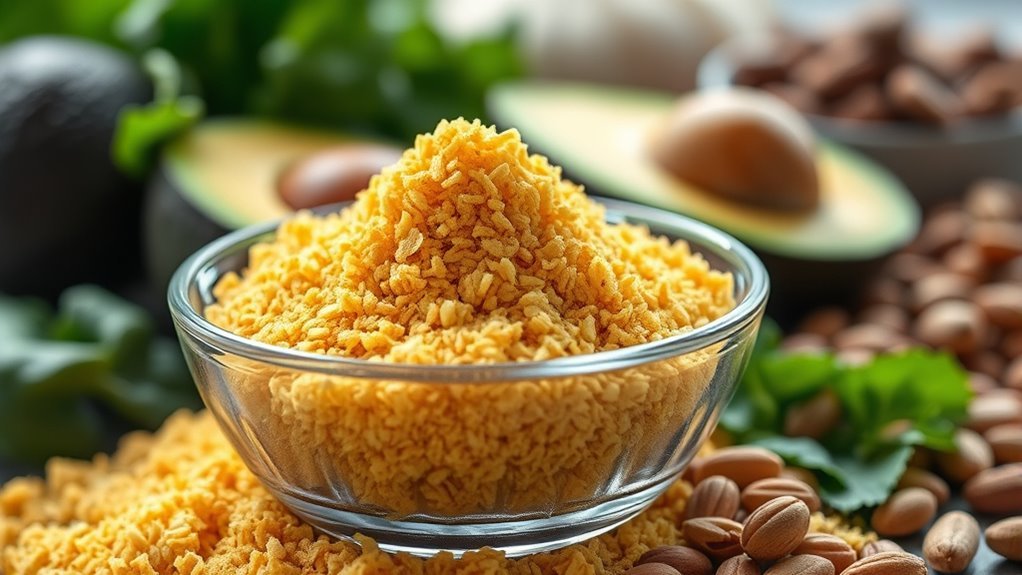
Nutritional yeast is a powerhouse of nutrients, making it a popular choice for those following a ketogenic diet. It’s packed with essential vitamins and minerals, particularly if you opt for fortified yeast varieties. Here’s what you can expect:
Nutritional yeast is a nutrient-dense option perfect for enhancing a ketogenic diet with essential vitamins and minerals.
- Protein: Contains about 8 grams of protein per two tablespoons, helping to support muscle health.
- B Vitamins: Rich in B-complex vitamins, essential for energy metabolism and brain function.
- Minerals: A good source of zinc, selenium, and magnesium, all critical for overall health.
Additionally, nutritional yeast is low in carbs, making it a suitable option for maintaining a low carbohydrate intake while enjoying flavorful meals. If you’re looking for yeast substitutes, consider other low-carb options like certain fermented foods. With its impressive nutritional profile, nutritional yeast can be an excellent addition to your keto journey.
Yeast in Baking: Carbs and Keto Compatibility
When you’re considering yeast in your baking, it’s important to understand its nutritional profile and carbohydrate content. While traditional yeast does contain some carbs, the fermentation process can greatly reduce their impact in your final product. By exploring specific baking techniques, you can create keto-friendly options that satisfy your cravings without compromising your dietary goals.
Yeast Nutritional Profile
Understanding yeast’s nutritional profile is essential for anyone exploring its compatibility with a keto diet. Different yeast varieties, such as active dry, instant, and nutritional yeast, play distinct roles in baking. Here are three nutritional highlights that might interest you:
- Protein Content: Yeast is rich in protein, providing essential amino acids for your body.
- B Vitamins: It contains B vitamins, which are vital for energy metabolism and overall well-being.
- Minerals: Yeast is a source of minerals like selenium and zinc, supporting immune function.
During the fermentation process, yeast converts sugars into alcohol and carbon dioxide, influencing the texture and flavor of baked goods. Understanding these aspects can help you make informed decisions on incorporating yeast into your keto lifestyle.
Carbohydrate Content Explained
Carbohydrates play an essential role in determining how yeast fits into a keto diet, especially when it comes to baking. While yeast itself is low in carbs, it’s important to take into account the sources and ingredients you mix it with. For instance, traditional bread recipes often include high-carb flours, which may not align with your keto goals. However, using alternative yeast sources, like almond or coconut flour, can help you reap yeast benefits without exceeding your carbohydrate limits. These alternatives allow for the leavening properties of yeast while keeping your net carbs low. Ultimately, being mindful of your ingredients will help you enjoy the culinary perks of yeast while maintaining a keto-friendly approach. Additionally, recommended daily carb intake should be limited to 20-50 grams for ketosis, ensuring that your baking stays within keto guidelines.
Baking Techniques for Keto
Incorporating yeast into your keto baking can be a game changer, especially when you use low-carb alternatives. By choosing the right ingredients, you can enjoy delicious baked goods without sacrificing your keto lifestyle. Here are three key techniques to ponder:
- Keto Friendly Flours: Almond flour and coconut flour are fantastic substitutes that mimic traditional flour’s texture without the carbs.
- Low Carb Sweeteners: Use erythritol or stevia to give your baked goods that sweet touch while keeping sugar levels in check.
- Proper Proofing: Allowing the yeast to rise longer increases the flavor and texture of your bread, making it more enjoyable. Additionally, using gluten-free flours like almond and coconut flour ensures your baked goods align with keto dietary goals.
With these techniques, you can create delectable, yeast-leavened treats that fit perfectly into your keto journey. Happy baking!
Fermented Foods and Yeast on a Keto Diet
While many people turn to fermented foods for their health benefits, it’s important to contemplate how these items fit into a keto diet. Fermented vegetables, like sauerkraut and kimchi, can be low carb options that offer probiotic benefits to support gut health. However, when it comes to sourdough starters, be cautious; their carb content can vary. Nutritional yeast is another excellent choice, providing flavor enhancers while remaining keto-friendly.
Here’s a quick overview of some fermented foods and their keto compatibility:
| Fermented Food | Keto-Friendly? |
|---|---|
| Fermented Vegetables | Yes |
| Sourdough Starters | Cautious |
| Nutritional Yeast | Yes |
| Kombucha | Check Carbs |
Health Benefits of Yeast
Yeast offers several health benefits that can support your overall well-being. It’s nutrient-dense, providing essential vitamins and minerals, while also promoting digestive health and boosting your immune system. Incorporating yeast into your diet can enhance your nutritional intake and contribute to a healthier lifestyle.
Nutrient Density Benefits
Nutrient density is a key factor when evaluating foods on a ketogenic diet, and yeast stands out for its impressive profile. By incorporating yeast into your meals, you can enhance nutrient absorption and gain various metabolic benefits. Here are three significant advantages of yeast:
- Rich in B Vitamins: Yeast is packed with essential B vitamins that support energy production and overall metabolism.
- High Protein Content: It offers a complete protein source, which is vital for muscle maintenance on a low-carb diet.
- Mineral Boost: Yeast is a good source of minerals like zinc, selenium, and magnesium, contributing to better immune function and metabolic health.
Including yeast can empower your ketogenic journey, ensuring you get the nutrients you need while enjoying delicious flavors.
Digestive Health Support
When it comes to maintaining a healthy gut, incorporating yeast into your diet can be beneficial. Yeast, particularly Saccharomyces boulardii, can support your gut microbiome by promoting the growth of beneficial bacteria. This balance is essential for effective digestion and overall gut health. Additionally, yeast helps produce digestive enzymes, which break down food more efficiently, allowing for better nutrient absorption. Studies suggest that a well-functioning gut can positively impact various aspects of your health, including mood and energy levels. By adding yeast to your diet, you’re not just enhancing flavor; you’re also making a choice that supports your digestive health and empowers your body to function at its best. Remember, a happy gut can lead to a happier you!
Immune System Boost
While many people associate yeast primarily with baking and brewing, its role in supporting the immune system shouldn’t be overlooked. Yeast benefits extend beyond the kitchen, offering significant immune support that can help you feel more vibrant and energized. Here are three key ways yeast can boost your immunity:
- Nutrient-Rich: Yeast is packed with vitamins, especially B vitamins, which are essential for a well-functioning immune system.
- Probiotic Properties: Certain types of yeast, like Saccharomyces boulardii, help maintain gut health, a critical aspect of overall immune function.
- Beta-Glucans: These compounds found in yeast can enhance your body’s natural immune response, making it more resilient against infections.
Incorporating yeast into your diet may just be the boost your immune system needs.
Alternatives to Yeast for Keto Cooking
If you’re looking for alternatives to yeast in your keto cooking, you’re in luck; there are several options that can help you achieve similar textures and flavors without the carbs. Baking powder and baking soda are popular yeast substitutes that provide leavening while keeping your dishes keto-friendly. You can also use almond flour or coconut flour to create baked goods with desirable textures. For those who enjoy a tangy flavor, consider incorporating sour cream or Greek yogurt, which can also add moisture. If you’re aiming for a bread-like consistency, psyllium husk is another fantastic option. These alternatives can enhance your keto baking experience, allowing you to enjoy your favorite recipes without the added carbs from yeast. Additionally, using coconut flour can help reduce carb intake while baking, making it a great choice for keto diets.
Tips for Incorporating Yeast Into a Keto Lifestyle
Incorporating yeast into a keto lifestyle can be a delicious way to enjoy baked goods without sacrificing your dietary goals. Here are some tips to get you started:
- Experiment with yeast types: Use nutritional yeast for a cheesy flavor in sauces or bread recipes, while active dry yeast can help create light, airy textures in low-carb breads.
- Explore keto recipes: Look for recipes specifically designed for keto diets that utilize yeast, such as cauliflower bread or almond flour pizza crusts.
- Monitor portion sizes: While yeast can be keto-friendly, be mindful of the overall carbohydrate content of your meals to stay within your daily limits.
Frequently Asked Questions
Can Yeast Be Consumed in Unlimited Quantities on Keto?
You can’t consume yeast in unlimited quantities on keto. Think of yeast as a double-edged sword; it offers benefits like B vitamins and probiotics but has limitations too. While it can aid digestion and enhance flavor, excessive intake might lead to digestive discomfort or an increase in carbs. Moderation is key, so enjoy the benefits of yeast, but be mindful of how much you’re incorporating into your keto lifestyle for ideal results!
Does Yeast Contain Any Hidden Sugars?
Yes, yeast can contain hidden sugars, especially in certain types like baker’s yeast or nutritional yeast. While the sugar content is typically low, it’s essential to check the label for any added sugars in processed products. If you’re cautious about your carb intake, opt for specific yeast types that are lower in sugar. Always remember to monitor how your body reacts, as individual tolerance levels may vary on a keto diet.
Is Nutritional Yeast Gluten-Free?
Yes, nutritional yeast is gluten-free. Imagine you’re a health-conscious chef experimenting with various yeast varieties for a new recipe. Nutritional yeast offers fantastic nutritional benefits, packed with B vitamins and protein while being safe for gluten-sensitive individuals. Always check labels, as cross-contamination can occur in some brands. By incorporating nutritional yeast into your diet, you’ll enhance your meals without worrying about gluten, allowing you the freedom to explore diverse flavors and textures.
Can Yeast Cause Bloating on a Keto Diet?
Yes, yeast can cause bloating for some people on a keto diet. Yeast digestion varies among individuals, and if your gut isn’t accustomed to it, you might experience keto symptoms like bloating or gas. While nutritional yeast is often well-tolerated, the reaction can differ based on your unique digestive system. It’s important to listen to your body and adjust your intake accordingly to maintain comfort and freedom in your keto journey.
How Does Yeast Affect Blood Sugar Levels?
When it comes to yeast, it’s like a little magician in your gut, working through fermentation. This process can impact blood sugar levels, but it’s not always a villain. Yeast fermentation can lead to the production of certain compounds that might help stabilize blood sugar. However, individual reactions vary. It’s essential to pay attention to how your body responds, as some may experience fluctuations while others find balance with yeast in their diet.
References
- https://www.healthline.com/nutrition/yeast-keto-friendly
- https://www.ketoconnect.net/are-yeast-extracts-keto-friendly/
- https://www.ncbi.nlm.nih.gov/pmc/articles/PMC7046339/
- https://www.webmd.com/diet/what-is-the-keto-diet
- https://www.dietdoctor.com/low-carb/yeast
- https://www.journalofnutrition.org/content/148/1/15S.full
- https://www.bbc.co.uk/news/health-51515538