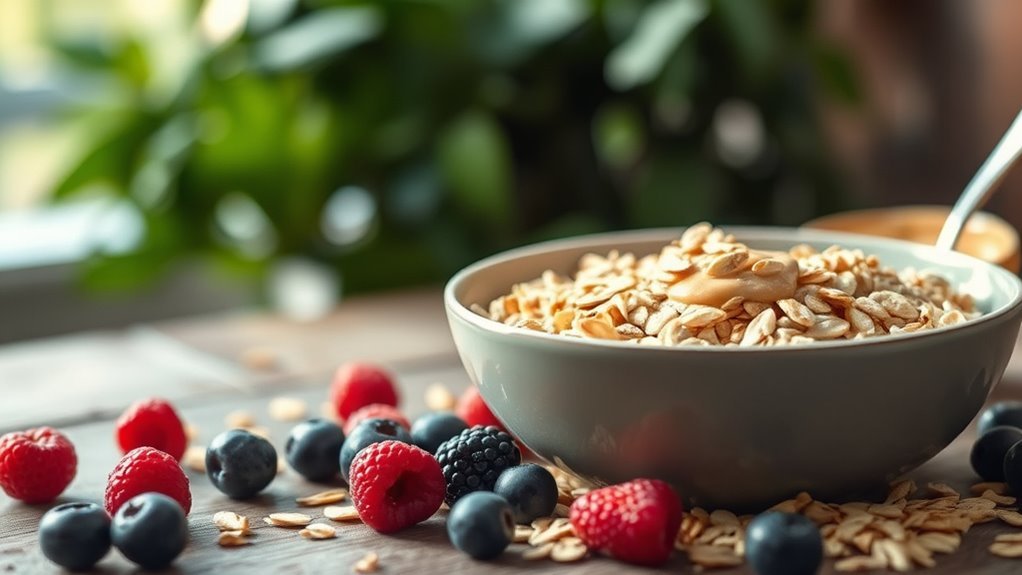

Quaker Oats aren’t keto-friendly due to their high carbohydrate content, with about 27 grams per serving. This can disrupt ketosis by raising blood sugar levels and triggering insulin release. While oats offer health benefits like fiber and antioxidants, their moderate glycemic index can counteract keto goals. If you’re considering oats in your low-carb diet, understanding their impact on ketosis and exploring alternatives can help you make informed decisions about your meals.
Understanding the Ketogenic Diet
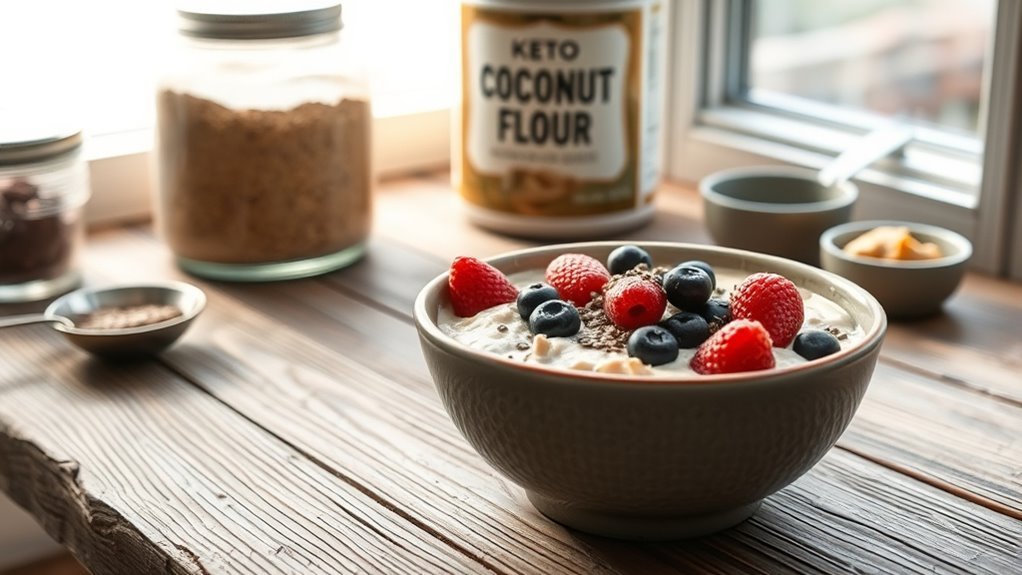
When you immerse yourself in the ketogenic diet, it’s vital to understand its core principles and how it impacts your body. The keto basics revolve around drastically reducing carbohydrate intake while increasing fats, which shifts your body into a state of ketosis. In this state, your body burns fat for fuel instead of glucose, leading to potential weight loss and improved energy levels. However, diet misconceptions often arise, such as the belief that all fats are harmful or that keto means eating unlimited protein. It’s essential to focus on healthy fats, monitor your macronutrient ratios, and understand how your body responds to this lifestyle change. This knowledge empowers you to embrace the keto journey with confidence and freedom. Limiting carbs is crucial for maintaining ketosis and reaping its benefits.
Nutritional Profile of Quaker Oats
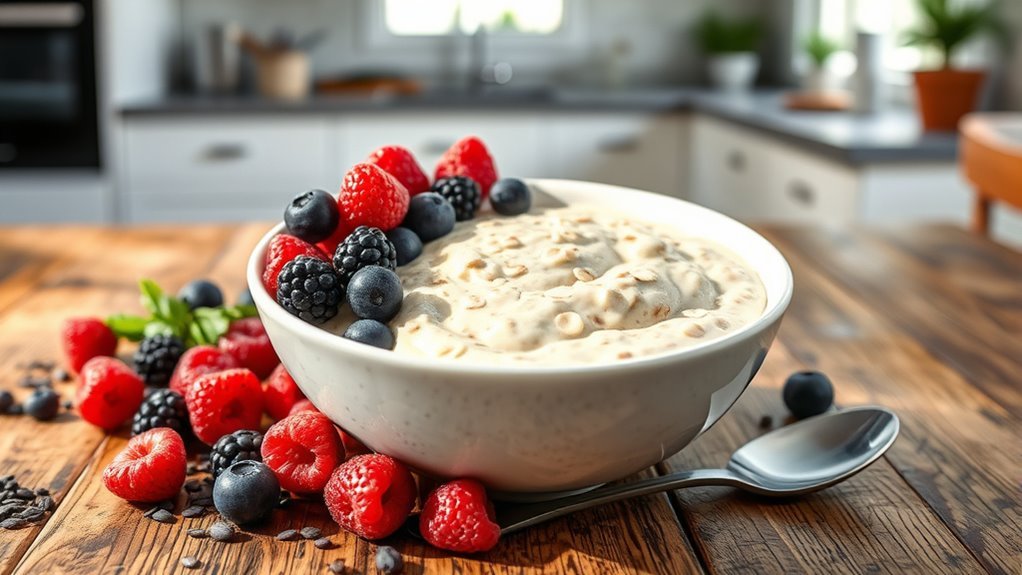
When evaluating the nutritional profile of Quaker Oats, you’ll want to focus on its carbohydrate content, fiber, and protein levels, as well as its glycemic index. These factors play an essential role in determining how well oats fit into a ketogenic lifestyle. Understanding these elements can help you make informed choices about incorporating Quaker Oats into your diet.
Carbohydrate Content Analysis
Quaker Oats contain approximately 27 grams of carbohydrates per 1-cup serving of cooked oats, making them a significant source of carbs for anyone following a keto diet. For those aiming to maintain a low carbohydrate intake, this amount can be challenging. While Quaker Oats do provide some essential nutrients, their high carbohydrate content can hinder ketosis. It’s important to evaluate not just the total carbs but also the quality of carbohydrate sources. Oats offer dietary fiber, which can aid digestion and promote satiety, but that doesn’t negate their overall carb load. If you’re committed to a keto lifestyle, you might want to explore alternative grains or low-carb options to meet your nutritional needs without exceeding your carbohydrate limits.
Fiber and Protein Levels
The nutritional profile of Quaker Oats reveals a significant balance of fiber and protein that can contribute to a well-rounded diet. When you consider fiber sources, Quaker Oats stands out with about 4 grams of dietary fiber per serving. This fiber promotes digestive health and helps you feel full longer, which can be particularly beneficial for those seeking to manage their weight. With regard to protein quality, Quaker Oats offers around 5 grams of protein per serving, providing essential amino acids that support muscle repair and overall health. While it’s not a complete protein, the combination of fiber and protein in Quaker Oats can complement other foods in your diet, enhancing your nutritional intake and satisfaction.
Glycemic Index Consideration
How does the glycemic index (GI) of Quaker Oats impact its suitability for a keto-friendly diet? Quaker Oats have a moderate GI, typically ranging between 55-70, meaning they can provoke a notable glycemic response. This can disrupt your ketosis, as maintaining low blood sugar levels is vital for a ketogenic lifestyle. If you’re seeking oat alternatives, consider options like chia seeds or flaxseeds, which have lower GI values and higher fiber content. These alternatives offer more stable energy without spiking your blood sugar. While oats provide nutritional benefits, their potential impact on your dietary goals should be carefully assessed. If you’re committed to keto, prioritizing low-GI foods is essential for achieving ideal results. Additionally, it’s important to consider the carbohydrate content of any food, as excessive intake can hinder your progress on a ketogenic diet.
Carbohydrate Content in Quaker Oats

When considering Quaker Oats, it’s important to look closely at their carbohydrate content. Oats contain a significant amount of carbohydrates, which can impact your glycemic index and overall keto goals. Additionally, portion size plays an important role in how these carbohydrates affect your diet, so understanding these factors is key for your keto journey.
Oat Carbohydrate Breakdown
Oats are often touted for their health benefits, but if you’re pondering a keto diet, understanding their carbohydrate content is vital. Quaker Oats contain about 27 grams of carbohydrates per serving, which can greatly impact your daily intake on a low-carb regimen. When you consume oats, your body engages in oat digestion, breaking down these carbs into glucose. This process may lead to elevated insulin levels, which you might want to avoid on a keto diet. While oats can be a nutritious carbohydrate source, their high carb content makes them less compatible with keto principles. If you’re looking to maintain ketosis, it’s imperative to evaluate alternative low-carb options that align better with your dietary goals. Additionally, understanding quinoa’s carbohydrate content is essential for making informed dietary choices, especially for those aiming for a low-carb diet.
Glycemic Index Impact
Although many consider oats a wholesome food choice, their glycemic index (GI) reveals important implications for those on a keto diet. Quaker Oats typically have a moderate GI, which means they can elicit a significant glycemic response. When you consume oats, your blood sugar levels may rise more than with lower-GI foods, potentially hindering ketosis. This spike in blood sugar can lead to insulin release, which may interfere with fat-burning processes essential for maintaining a ketogenic state. If you’re aiming to keep your carbohydrate intake low and manage your blood sugar effectively, it’s vital to recognize how oats fit into your overall dietary strategy. Balancing your choices with lower-GI options could help you stay aligned with your keto goals.
Portion Size Considerations
While you might be tempted to enjoy a hearty bowl of Quaker Oats, it’s vital to reflect on the portion sizes to manage your carbohydrate intake effectively. A typical serving of Quaker Oats contains around 27 grams of carbohydrates, which can quickly add up if you’re following a keto diet. Practicing portion control is important; consider starting with a smaller serving, such as a half-cup, to better align with your daily carb limits. You can enhance your meal with low-carb toppings like nuts or seeds—these serving suggestions can help you maintain flavor without exceeding your carb goals. Ultimately, being mindful of your portions allows you to enjoy the benefits of oats while staying within your keto-friendly framework. Additionally, keep in mind that carbohydrate content plays a crucial role in maintaining your ketosis.
Types of Quaker Oats: Instant, Old-Fashioned, and Steel-Cut
When considering the types of Quaker Oats, it’s essential to understand the distinctions between Instant, Old-Fashioned, and Steel-Cut varieties. Each oat type has unique cooking methods, preparation times, and flavor profiles that cater to your preferences.
- Instant oats are quick and convenient but often contain added sugars.
- Old-fashioned oats offer a chewy texture and are versatile for various recipes.
- Steel-cut oats have a hearty texture and take longer to cook, providing a satisfying breakfast.
- The nutritional differences vary; steel-cut oats typically have a lower glycemic index.
- Serving suggestions range from sweet toppings to savory additions, allowing for creativity.
Choosing the right oat variety can enhance your breakfast experience while aligning with your dietary needs.
Effects of Oats on Ketosis
When considering oats in your keto diet, it’s essential to analyze their carbohydrate content. Oats, particularly Quaker varieties, contain significant carbs that can impact your ketosis levels. Understanding how these carbohydrates interact with your body’s metabolic state will help you make informed dietary choices. Additionally, the carbohydrate limits necessary for maintaining ketosis typically fall under 20-50 grams per day, making oats a challenging choice for those adhering to a strict ketogenic diet.
Carbohydrate Content Analysis
Understanding the carbohydrate content of Quaker Oats is essential for anyone considering a ketogenic diet. While oats are often seen as a wholesome choice, they contain significant carbohydrates that can impact your keto journey. Here’s what you should know:
- Oats can hinder your ability to reach ketosis.
- They may lead to cravings for more carbohydrate sources.
- Unsuitable for those seeking keto substitutions.
- They can affect your energy levels negatively.
- You could feel restricted in your food choices.
- Incorporating low-carb grain substitutes can provide better options for maintaining ketosis.
If you’re committed to maintaining ketosis, it’s vital to evaluate your options carefully. Exploring alternative low-carb foods can provide the freedom to enjoy satisfying meals while sticking to your dietary goals. Remember, knowledge is key to achieving your keto lifestyle.
Impact on Ketosis Levels
The carbohydrate content of Quaker Oats can considerably affect your ketosis levels. When you consume oats, their high carb count may disrupt your state of ketosis, which is essential for burning fat. The ketosis effects can vary based on your overall daily carb intake and meal timing. If you choose to enjoy oats, consider timing them strategically—perhaps during a carb-loading phase or post-workout when your body may utilize carbs more effectively. However, be mindful of how oats fit into your total carb allowance. Balancing your meals while prioritizing low-carb options can help maintain your ketosis. Ultimately, if your goal is to stay in ketosis, you might need to reconsider including Quaker Oats in your daily diet. Additionally, focusing on net carbs can help you make informed decisions about your food choices.
Alternatives to Quaker Oats for a Keto Diet
If you’re searching for alternatives to Quaker Oats that fit a keto diet, you’ll find several low-carb options that can help you maintain your desired macronutrient balance. Embracing keto-friendly grains and low-carb cereals can keep your meals exciting while sticking to your health goals. Here are some delicious alternatives to take into account:
- Chia seeds: Packed with fiber and healthy fats
- Flaxseed meal: A versatile option rich in omega-3s
- Almond flour: Great for baking and breakfast bowls
- Coconut flour: Low in carbs and adds a tropical twist
- Psyllium husk: Boosts fiber intake for digestive health
Additionally, incorporating low-carb sides can enhance your meals while adhering to keto principles. These choices not only support your keto journey but also offer you the freedom to enjoy tasty, satisfying meals without the carbs.
Tips for Incorporating Oats Into a Low-Carb Diet
While traditional oats are often high in carbohydrates, there are ways to incorporate them into a low-carb diet without derailing your progress. One effective strategy is to use oats sparingly in oatmeal recipes, blending them with low-carb ingredients like almond flour or chia seeds. This can create a satisfying meal while keeping carbs in check. You can also experiment with overnight oats, using unsweetened almond milk instead of regular milk, to lower carb content. For low-carb snacks, consider making oat-based energy balls, mixing oats with nut butter and coconut flakes. Always pay attention to portion sizes, as even small amounts can add up quickly. With creativity, you can enjoy oats while staying committed to your low-carb lifestyle.
Health Benefits of Quaker Oats
Quaker Oats provide a range of health benefits that can support your overall well-being. They’re not just a breakfast option, but a source of nutritional advantages that enhance your daily life.
- Full of fiber, helping to keep you full longer
- Rich in antioxidants, promoting heart health
- Lowers cholesterol levels, reducing heart disease risk
- Stabilizes blood sugar, aiding energy levels
- Supports digestive health, promoting a healthy gut
With these health benefits, incorporating Quaker Oats into your diet can empower you to make healthier choices. They offer a delicious and versatile way to nourish your body, allowing you the freedom to enjoy tasty meals while reaping the rewards of their nutritional advantages. So, why not embrace this wholesome food today?
Personalizing Your Keto Meal Plan
When crafting a keto meal plan, it’s essential to take into account your individual dietary needs and preferences to guarantee long-term adherence and success. Keto meal personalization is key; consider factors like your age, activity level, and health goals. You’ll want to track your macro balance—ensuring an appropriate ratio of fats, proteins, and carbohydrates. This balance helps maintain ketosis while still providing sufficient energy. Additionally, understanding the role of net carbs can help you make better food choices that align with your keto goals. Experiment with foods you enjoy and incorporate a variety of low-carb vegetables, healthy fats, and quality proteins. Don’t hesitate to adjust portion sizes or food choices based on how your body responds. Remember, it’s about finding what works for you, so embrace flexibility and make your keto journey enjoyable and sustainable.
Final Thoughts on Oats and Keto
Although oats are often praised for their nutritional benefits, they may not align with the strict requirements of a ketogenic diet. If you’re seeking to stay in ketosis, consider these alternatives:
- Almond flour for low-carb baking
- Chia seeds for fiber and omega-3s
- Coconut flour for a unique texture
- Flaxseed meal for added nutrients
- Zucchini noodles as a pasta substitute
Instead of traditional oatmeal, explore these oatmeal alternatives that fit your keto lifestyle. You can still enjoy delicious meals by adding keto-friendly toppings like unsweetened coconut flakes, berries, or nut butters. Remember, embracing your freedom in food choices means finding the right balance that keeps you satisfied without compromising your health goals. Additionally, understanding the metabolic state of ketosis can empower you to make informed dietary choices that support your keto journey.
Frequently Asked Questions
Can I Eat Quaker Oats While Intermittent Fasting?
You can’t eat Quaker oats while you’re intermittent fasting, as it breaks your fast. Intermittent fasting benefits, like improved metabolism and better insulin sensitivity, come from avoiding food during your fasting window. If you’re considering meal timing, focus on your eating periods to maximize those benefits. Incorporating oats into your meals when you’re not fasting can provide energy and fiber, but during fasting, it’s best to stick to water or non-caloric beverages.
Are There Gluten-Free Options for Quaker Oats?
Yes, there are gluten-free options for Quaker Oats. Quaker offers specific varieties that are certified gluten-free, ensuring they meet strict standards for gluten content. These gluten-free oats are processed in dedicated facilities to avoid cross-contamination. If you’re looking for a safe option, check the packaging for gluten-free certifications. This allows you to enjoy the nutritional benefits of oats without worrying about gluten exposure, giving you the freedom to maintain your dietary preferences.
How Do Quaker Oats Affect Blood Sugar Levels?
When you consume Quaker oats, think of a gentle river flowing through your body. Their carbohydrate content gives a steady release of energy, but with a glycemic index around 55, they can cause a moderate spike in blood sugar levels. This isn’t a raging flood, but it’s essential to monitor your intake if you’re watching your glucose. Balance is key, so enjoy them wisely as part of a varied diet for freedom in health.
Can Quaker Oats Be Part of a Balanced Breakfast?
Yes, Quaker Oats can be part of a balanced breakfast. They offer significant nutritional benefits, including fiber and essential vitamins, which can help keep you full and energized. While there are breakfast alternatives, like smoothies or eggs, oats provide a hearty option that supports sustained energy levels throughout the morning. Pairing them with fruits or nuts enhances their nutritional profile, making your breakfast not only satisfying but also beneficial for your overall health.
What Are the Best Toppings for Quaker Oats on Keto?
When you’re looking for the best toppings for Quaker oats on keto, focus on low carb options. You might try almond butter or coconut flakes for healthy fats. Berries, like raspberries or blackberries, can add a touch of sweetness without a carb overload. Consider sprinkling chia seeds or crushed nuts for extra texture. These keto toppings not only enhance flavor but also keep your meal aligned with ketogenic goals, offering nutritional benefits as well.
References
- https://www.healthline.com/nutrition/keto-diet-foods#grains-and-legumes
- https://www.ncbi.nlm.nih.gov/pmc/articles/PMC6520887/
- https://www.webmd.com/diet/obesity/ss/slideshow-keto-diet-foods
- https://www.medicalnewstoday.com/articles/321218
- https://www.dietitians.ca/Downloads/Public/Conclusions-from-the-Dietitians-of-Canada-Position-Stmt-on-Keto-Diet.aspx
- https://www.hopkinsmedicine.org/health/wellness-and-prevention/what-is-the-keto-diet
- https://www.verywellfit.com/what-is-the-keto-diet-4688610