

On the keto diet, you should aim for a daily carbohydrate intake of 20 to 50 grams of net carbs. This range helps you maintain ketosis, promoting fat burning and regulating blood sugar levels. Your specific needs may vary based on your activity level, so adjust accordingly. Remember to focus on whole, unprocessed food sources. If you’re curious about carb types, tracking methods, or common pitfalls, there’s more to explore to optimize your keto journey.
Understanding the Keto Diet

When you plunge into the keto diet, it’s essential to understand its core principles. This low-carb, high-fat diet shifts your body’s primary energy source from carbohydrates to healthy fats. By drastically reducing carbs, you encourage your body to enter a metabolic state called ketosis, where it efficiently burns fat for fuel. You’ll find that incorporating healthy fats, like avocados, nuts, and olive oil, not only keeps you satisfied but also supports overall health. Remember, the quality of your fats matters; focus on whole, unprocessed sources. This approach promotes sustained energy and can lead to weight loss without the constant hunger often tied to calorie restriction. Embracing these principles can empower you to achieve your wellness goals.
The Importance of Carb Restriction

Carb restriction is essential for achieving and maintaining ketosis, the metabolic state that fuels your body with fat instead of carbohydrates. By limiting your carb intake, you can effectively regulate blood sugar levels and harness the potential weight loss benefits associated with the keto diet. Understanding these factors can help you make informed dietary choices and optimize your results.
Ketosis and Carb Intake
Achieving and maintaining ketosis requires a significant reduction in carbohydrate intake, which plays an essential role in how your body fuels itself. By limiting carbs, you encourage your body to switch from glucose to fat as its primary energy source, a process known as keto adaptation. This metabolic shift not only helps with weight loss but can also enhance mental clarity and energy levels. Some people may incorporate carb cycling, where they strategically increase carb intake on certain days, to help maintain performance while still benefiting from ketosis. However, it’s vital to find the right balance for your body, as too many carbs can kick you out of ketosis, undermining your hard work and progress.
Blood Sugar Regulation
While many people focus on weight loss when considering the keto diet, blood sugar regulation is another essential aspect that highlights the importance of carb restriction. By limiting carbohydrate intake, you can help stabilize your blood sugar levels, reducing the risk of spikes and crashes that often lead to cravings and fatigue. This dietary approach enhances insulin sensitivity, allowing your body to utilize glucose more effectively. Improved insulin sensitivity can support overall metabolic health and decrease the likelihood of developing conditions like type 2 diabetes. Additionally, balanced blood sugar can lead to more consistent energy levels throughout the day. Embracing carb restriction on the keto diet not only aids in weight management but also fosters a healthier relationship with your body’s glucose regulation.
Weight Loss Benefits
When you’re on a keto diet, the emphasis on restricting carbohydrates can markedly enhance your weight loss efforts. By promoting fat adaptation, you shift your body into nutritional ketosis, allowing it to burn fat for fuel instead of carbs. This shift not only supports fat loss but also boosts metabolic health, enhances energy levels, and improves insulin sensitivity. Additionally, appetite control becomes more manageable, contributing to effective weight management and improved body composition.
Here’s a quick table summarizing these benefits:
| Benefit | Impact on Weight Loss | Additional Effects |
|---|---|---|
| Fat Loss | Accelerates fat burning | Improved body composition |
| Appetite Control | Reduces cravings | Supports diet sustainability |
| Energy Levels | Sustained energy | Enhances physical performance |
| Metabolic Health | Optimizes fat utilization | Improves overall health |
| Insulin Sensitivity | Stabilizes blood sugar | Reduces health risks |
Recommended Daily Carb Intake
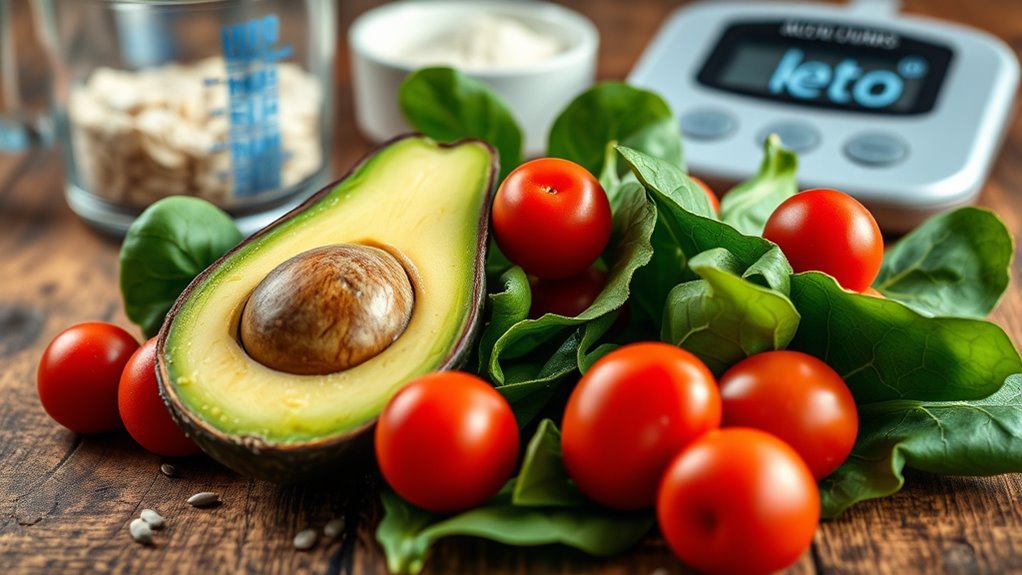
When following a keto diet, understanding your recommended daily carb intake is essential for achieving your goals. Generally, the standard limit is around 20 to 50 grams of net carbs, but individual factors like activity level and metabolic health can influence this amount. It’s important to tailor your carb intake to your unique needs for best results.
Standard Carb Limit
The standard carb limit for those on a ketogenic diet typically ranges from 20 to 50 grams of net carbohydrates per day. This daily limit is designed to help your body enter ketosis, where it burns fat for fuel instead of carbs. Staying within this range allows you to enjoy the benefits of the keto diet, like weight loss and increased energy levels, while maintaining flexibility in your food choices. Remember, everyone’s body is different, so you might need to adjust your keto carb intake based on your unique metabolism and activity level. It’s essential to monitor how your body responds and find the right balance that works for you without feeling restricted. Enjoy the freedom that comes with informed choices!
Net Carbs Explained
Understanding net carbs is key to successfully maneuvering the ketogenic diet. The net carb calculation focuses on the carbs that affect your blood sugar levels. This means subtracting fiber and certain sugar alcohols from the total carbohydrates. Fiber’s impact is essential since it doesn’t raise your blood sugar and can aid digestion.
Here’s a simple breakdown of how to calculate net carbs:
| Total Carbs | Net Carbs |
|---|---|
| 20g | 15g |
| 30g | 25g |
| 40g | 30g |
| 50g | 40g |
Individual Variability Factors
While individual responses to carbohydrate intake can vary considerably, it’s crucial to recognize that there’s no one-size-fits-all recommendation for daily carb consumption on a ketogenic diet. Your genetic predisposition, metabolic rate, and activity level all play significant roles in determining how many carbs you can effectively manage. Lifestyle factors, like your age, dietary preferences, and any health conditions you might have, can also influence your ideal carb intake. Additionally, don’t overlook stress levels, as they can impact how your body processes carbs. Finding your sweet spot may take some experimentation, but understanding these individual variability factors allows you the freedom to tailor your keto journey to what works best for you.
Types of Carbs: Simple vs. Complex
When steering through the keto diet, it’s essential to grasp the difference between simple and complex carbohydrates. Simple sugars, like those found in fruits and sweets, are quickly absorbed by your body, leading to rapid spikes in blood sugar. This can disrupt your ketosis goals. On the other hand, complex carbohydrates, such as whole grains and legumes, digest more slowly, providing a steadier energy release. While the keto diet typically limits carb intake, understanding these types helps you make informed choices. Prioritize fiber-rich, complex carbs when you do consume them, as they can support overall health without derailing your progress. Balancing these elements allows for greater freedom in your diet while keeping you aligned with keto principles.
Tracking Your Carb Intake
How can you effectively track your carb intake on the keto diet? Carb counting is essential for staying within your daily limit, typically around 20 to 50 grams of net carbs. Start by using tracking tools like apps or food diaries that help you log your meals and their nutritional content. These tools often provide detailed breakdowns of carbs, making it easier to see where you can adjust. Remember to pay attention to hidden carbs in sauces and processed foods. By regularly reviewing your intake, you can maintain your freedom in food choices while ensuring you stay in ketosis. This mindful approach not only enhances your keto journey but also empowers you to make informed decisions about your diet.
Common Mistakes to Avoid
Many people starting on the keto diet make common mistakes that can hinder their progress. One major issue is falling for keto misconceptions, like thinking you can eat unlimited fats without regard to overall caloric intake. It’s essential to prioritize quality fats while keeping your carb counting precise. Another mistake is underestimating your net carbs, leading to unintentional overconsumption. Many also forget to track hidden carbs in sauces, snacks, or processed foods. Finally, don’t neglect hydration and electrolytes; they’re vital for avoiding the “keto flu.” By recognizing these pitfalls, you can embrace the freedom of the keto lifestyle and achieve your health goals more effectively. Stay informed, and you’ll navigate your keto journey with confidence!
Low-Carb Foods to Include
Avoiding common mistakes on the keto diet sets the stage for successful food choices, particularly when it comes to low-carb options. Focus on incorporating keto-friendly vegetables like spinach, broccoli, and zucchini, which provide essential nutrients without spiking your carb intake. For those snack cravings, opt for low-carb snacks such as cheese, nuts, or olives to keep you satisfied between meals. High-fat foods like avocados, coconut oil, and fatty cuts of meat are also great choices that support your body’s energy needs. To streamline your efforts, meal prep is key; it helps guarantee you have these foods readily available, making it easier to stick to your low-carb goals while enjoying the freedom that the keto lifestyle offers.
Signs You’re in Ketosis
Ever wondered what signs indicate you’re in ketosis? You might notice various ketosis symptoms, including breath changes that often lead to a sweet or fruity scent. Your energy levels may surge, providing you with sustained stamina for daily activities and workouts. Many also report improved mental clarity, allowing for sharper focus and enhanced productivity. Appetite suppression can occur, making it easier to fast or eat less without discomfort. Your sleep patterns might stabilize, leading to more restorative rest. Additionally, exercise performance can improve as your body adapts to burning fat for fuel. You may experience mood stability, contributing to an overall sense of well-being, along with digestive health and even skin improvements as your body adjusts to this new metabolic state.
Adjusting Carb Intake for Individual Needs
How can you tailor your carb intake to fit your unique lifestyle and health goals? Understanding your metabolic factors is essential for creating personalized plans. Everyone’s body responds differently to carbs, so adjusting your intake might involve some experimentation.
| Activity Level | Carb Intake (grams/day) | Notes |
|---|---|---|
| Sedentary | 20-30 | Minimal activity, focus on fats |
| Lightly Active | 30-50 | Incorporate some exercise |
| Moderately Active | 50-70 | Balance carbs with physical activity |
| Highly Active | 70-100 | Requires more energy |
| Competitive Athlete | 100+ | Needs higher carb for performance |
Frequently Asked Questions about Carbohydrate Intake on the Keto Diet
1. How many carbs should I eat on a keto diet?
On a keto diet, it is generally recommended to consume between 20 to 50 grams of net carbohydrates per day. This amount helps to achieve and maintain a state of ketosis, where your body burns fat for fuel instead of carbohydrates. Net carbs are calculated by subtracting fiber and certain sugar alcohols from the total carbohydrates in a food item.
2. Why is carb intake limited on the keto diet?
Carbohydrate intake is limited on the keto diet to induce ketosis, a metabolic state where the body shifts from using glucose as its primary energy source to using ketones derived from fat. Limiting carbs reduces insulin levels and promotes fat breakdown, which can lead to weight loss and improved energy levels. High carb consumption can prevent your body from entering ketosis, making it difficult to achieve the diet’s intended benefits.
3. Can I exceed the carb limit on a keto diet occasionally?
While it’s best to stay within your recommended carb limit to maintain ketosis, occasional higher carb intake may not completely derail your progress. However, it can kick you out of ketosis, requiring a few days of strict adherence to the diet to return to that state. It’s important to monitor how your body responds and consider making adjustments based on your individual goals and activities.
4. What types of carbohydrates should I avoid on the keto diet?
On a keto diet, you should avoid high-carb foods such as bread, pasta, rice, sugary snacks, and most fruits. Focus on low-carb vegetables, nuts, seeds, and dairy products. It’s also wise to steer clear of processed foods that can contain hidden sugars and high-carb ingredients that can disrupt ketosis.
5. How do I track my carb intake on the keto diet?
Tracking your carb intake can be done using various methods. Many people find it helpful to use apps or websites that allow for food logging, which can calculate your daily intake automatically. You can also keep a manual food diary, ensuring you read nutrition labels carefully to count net carbs accurately. Remember to include all sources of carbohydrates, including vegetables and condiments, for a complete picture of your intake.
References
- https://www.ncbi.nlm.nih.gov/pmc/articles/PMC6835900/
- https://www.health.harvard.edu/staying-healthy/the-truth-about-carbs
- https://www.mayoclinic.org/healthy-lifestyle/nutrition-and-healthy-eating/expert-answers/keto-diet/faq-20444602
- https://www.webmd.com/diet/what-is-the-keto-diet
- https://www.nutrition.gov/topics/nutrition-101/carbohydrates
- https://www.cdc.gov/healthyweight/healthy_eating/carbohydrates.html