

Agave nectar isn’t ideal for a ketogenic diet. While it has a low glycemic index, its high fructose content can hinder your progress by disrupting ketosis and promoting fat storage. Moderation is key if you choose to use it. There are better low-carb sweetener options like stevia or erythritol that won’t interfere with your goals. If you’re curious about how to incorporate sweeteners effectively on keto, there’s more to explore on this topic.
Understanding the Ketogenic Diet
The ketogenic diet, or keto for short, is designed to shift your body’s metabolism from relying on carbohydrates to burning fat for fuel. Achieving this metabolic state, called ketosis, requires careful macronutrient balance, typically consisting of high fats, moderate proteins, and very low carbohydrates. When meal planning, you’ll want to focus on foods like avocados, nuts, and fatty fish while avoiding grains and sugary foods. This approach not only promotes weight loss but can also offer mental clarity and sustained energy. Embracing ketosis is key to rethinking your relationship with food and enhancing your overall well-being. However, it’s essential to listen to your body and adjust your intake as needed. By understanding these principles, you can embrace a lifestyle that aligns with your goals and values, giving you the freedom to enjoy delicious foods while prioritizing your health.
What Is Agave Nectar?
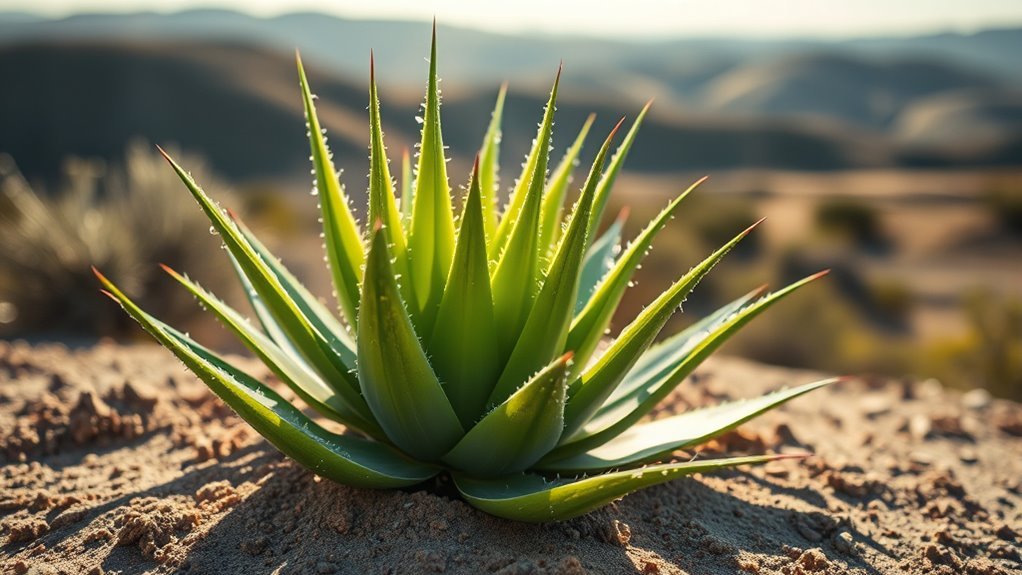
Agave nectar, a sweet syrup derived from the agave plant, is often touted as a natural sugar alternative. It’s known for its low glycemic index, which may offer health benefits for those looking to manage blood sugar levels. There are several agave varieties, including blue agave and red agave, each with unique flavor profiles and sweetness levels. While it can be a tempting substitute for refined sugars, it’s important to contemplate its high fructose content, which may have implications for your health when consumed in excess. Ultimately, understanding the different agave varieties and their effects can empower you to make informed choices about incorporating this sweetener into your diet while maintaining a balanced approach to your overall health.
Nutritional Profile of Agave

When considering agave nectar as a sweetener, it’s important to examine its nutritional profile. Agave is primarily composed of fructose, which can be beneficial for those avoiding glucose spikes—this is one of the agave benefits. It contains fewer calories than traditional sugar, making it appealing for calorie-conscious individuals. However, it also has a high fructose content, which can lead to potential agave drawbacks, such as insulin resistance and increased fat accumulation if consumed excessively. Additionally, agave nectar lacks significant vitamins and minerals, so it’s not a nutritious substitute. Ultimately, while agave can be a versatile sweetener, it’s essential to weigh its benefits against its drawbacks and consider moderation in your diet.
Agave vs. Other Sweeteners
While many people turn to natural sweeteners to enhance their diets, it is crucial to compare agave with other options like honey, maple syrup, and artificial sweeteners. Agave benefits include its low glycemic index, making it appealing for those seeking to manage blood sugar levels. However, its high fructose content can lead to potential drawbacks, such as increased risk of metabolic issues when consumed excessively. Honey and maple syrup provide vitamins and minerals, but they have higher glycemic indices. Artificial sweeteners may offer zero calories but can have controversial health effects. Ultimately, choosing the right sweetener depends on your personal health goals and preferences. Balancing taste and nutrition will empower you to make informed decisions about your sweetening options.
The Impact of Agave on Blood Sugar Levels
Choosing the right sweetener can greatly impact your blood sugar levels, especially for those managing diabetes or insulin sensitivity. Agave, often marketed as a healthier alternative, has a high fructose content that can affect your agave metabolism. While it has a lower glycemic index than sugar, its fructose can still lead to increased insulin resistance over time. This means that, although agave might not spike your blood sugar immediately, it could potentially contribute to long-term issues with insulin sensitivity. If you’re looking for freedom in your dietary choices, it’s important to weigh these factors. Always consider how different sweeteners affect your body and make informed decisions to maintain balanced blood sugar levels.
Can Agave Disrupt Ketosis?
Although agave is often touted as a natural sweetener, it can pose challenges for those trying to maintain ketosis. Agave has a high fructose content, which can greatly affect your agave metabolism. When consumed, fructose is metabolized differently than glucose, often leading to increased fat storage and potentially disrupting ketosis. This disruption can result in elevated blood sugar levels, making it harder for your body to stay in a fat-burning state. If you’re committed to a ketogenic lifestyle, it’s essential to reflect on how agave’s sweetness might impact your ketosis effects. While it can be tempting to use agave as a sweetener, you might want to explore alternatives that align better with your goals of sustaining ketosis and enjoying the freedom of a low-carb diet. Additionally, sugar alternatives like stevia and erythritol can provide sweetness without the negative impacts on blood sugar levels.
Recommended Low-Carb Sweeteners
When you’re following a low-carb diet, choosing the right sweeteners can be essential for maintaining ketosis. Natural low-carb alternatives like stevia and erythritol can satisfy your sweet tooth without spiking your blood sugar. On the other hand, it’s important to avoid sweeteners like sugar and agave, as they can disrupt your progress. Additionally, some artificial sweeteners may impact insulin sensitivity and metabolic state, so it’s crucial to monitor your body’s responses.
Natural Low-Carb Alternatives
As you explore natural low-carb alternatives for sweetening your foods and drinks, it’s essential to contemplate options that won’t derail your ketogenic diet. Luckily, there are several agave alternatives that fit the bill. Here’s a quick overview of some popular low carb options:
| Sweetener | Carbs per tsp | Taste Profile |
|---|---|---|
| Stevia | 0 | Sweet, herbal |
| Monk Fruit | 0 | Sweet, fruity |
| Erythritol | 0.2 | Sweet, similar to sugar |
These sweeteners can satisfy your sweet tooth while keeping your carb intake low. Incorporating these options allows you to enjoy treats without compromising your keto lifestyle. Maintaining low carb intake is essential for achieving health goals on keto, with the standard recommendation of 20-50 grams of net carbs daily.
Sweeteners to Avoid
While many sweeteners may seem keto-friendly at first glance, some can considerably impact your carb count and overall health. It’s essential to avoid high-carb sweeteners like agave nectar, honey, and regular table sugar, as they can spike your blood sugar levels and undermine your keto goals. Even certain low-calorie options, like maltitol, can have a higher glycemic index than you think, affecting sweetener safety. Instead, consider using erythritol, stevia, or monk fruit, which are low in carbs and have minimal effects on blood sugar. By choosing wisely, you can enjoy your sweet cravings without derailing your low-carb lifestyle. Remember, your freedom to choose healthy sweeteners can lead to better overall well-being. Additionally, being aware of hidden carbs in sweeteners is crucial to maintaining ketosis.
How to Use Agave in a Ketogenic Diet
When considering agave in a ketogenic diet, it’s important to note its relatively high glycemic index, which can impact your blood sugar levels. You might also want to compare it with other low-carb sweeteners that can be better suited for keto. Incorporating agave sparingly can allow you to satisfy your sweet cravings while still keeping your carb intake in check.
Agave’s Glycemic Index
Understanding agave’s glycemic index is essential if you’re considering incorporating it into a ketogenic diet. While agave syrup has a lower glycemic index than sugar, it’s still a carbohydrate source. To make informed choices, keep these points in mind:
- Glycemic Index: Agave’s glycemic index ranges from 10 to 19, which is lower than traditional sweeteners.
- Moderation: Use agave in moderation to avoid exceeding your carb limits.
- Health Benefits: Agave may offer some health benefits, including antioxidants.
- Production Methods: Be aware of agave production methods, as they can affect its nutritional profile.
Sweetener Alternatives Comparison
If you’re considering sweetener options for a ketogenic diet, agave syrup might catch your attention due to its lower glycemic index compared to traditional sugars. However, you should compare it with other alternatives to make an informed choice.
Here’s a quick comparison of some popular sweeteners:
| Sweetener | Taste Profiles | Calorie Content |
|---|---|---|
| Agave Syrup | Mild, floral | 60 calories/tbsp |
| Stevia | Sweet, slightly bitter | 0 calories |
| Erythritol | Sweet, similar to sugar | 0.24 calories/g |
| Monk Fruit | Sweet, fruity | 0 calories |
Each option has unique taste profiles and calorie content, so consider what works best for your palate and dietary goals.
Incorporating Agave Sparingly
Although agave syrup can be a tempting option for those on a ketogenic diet, it’s essential to incorporate it sparingly to maintain your carbohydrate limits. Here are some moderation tips to take into account:
- Limit your servings: Use agave as an occasional treat, not a daily staple.
- Pair wisely: Combine agave with flavors like lemon or cinnamon to enhance taste without overdoing it.
- Measure carefully: Use a small amount to sweeten, ensuring you don’t exceed your carb goals.
- Choose the right time: Use agave in recipes where it complements low-carb ingredients, like keto desserts.
Final Thoughts on Agave and Keto
While agave might seem like an appealing sweetener for those on a keto diet, it’s important to assess its high fructose content, which can hinder ketosis. Agave benefits include being natural and having a low glycemic index, but these factors may not outweigh its impact on your carb intake. If you’re committed to a keto lifestyle, you might want to explore alternatives like stevia or erythritol that won’t disrupt your state of ketosis. Ultimately, achieving your health goals means making informed choices. If you choose to use agave, do so sparingly and stay mindful of your overall carbohydrate consumption. Balancing enjoyment with health is key, so always weigh the pros and cons before reaching for that agave syrup. Additionally, being aware of the carbohydrate content in sweeteners is essential for maintaining ketosis.
Frequently Asked Questions
Is Agave Suitable for Vegan Keto Diets?
Agave isn’t the best choice for vegan keto diets, but it’s not entirely off the table. While it’s a plant-based sweetener, its high sugar content can interfere with ketosis. If you’re looking for agave alternatives, consider options like stevia or erythritol, which are low in carbs and keto-friendly. These vegan sweeteners allow you to enjoy sweetness without compromising your diet. Balancing taste and diet freedom can lead to satisfying choices!
Can Agave Cause Digestive Issues on a Keto Diet?
Agave can cause digestive issues for some people on a keto diet due to its high fructose content. This can lead to symptoms like bloating, gas, or diarrhea, especially if your body isn’t used to processing it. While agave might fit into your keto lifestyle, you should listen to your body. If you experience any keto symptoms after consuming it, consider reducing your intake or exploring alternative sweeteners that may be easier on your digestion.
How Does Agave Compare to Honey in Keto?
When you think of agave and honey, you might imagine a sweet symphony playing in your mouth. However, in a keto context, agave’s high fructose content makes it less favorable than honey. While both offer sweetness, agave’s glycemic index is lower, but that doesn’t mean it’s keto-friendly. For a better choice, consider keto-friendly alternatives like erythritol or stevia, which provide sweetness without the carbs. Balance is key in your keto journey!
Is Organic Agave Better for Keto?
Organic agave isn’t necessarily better for keto than other sweeteners. While it may be more natural, it still contains high amounts of fructose, which can impact your carb intake. If you’re looking for agave alternatives, consider monk fruit or erythritol, which have minimal carbs and won’t spike your blood sugar. Organic sweeteners can be a healthier choice, but always check the nutritional content to guarantee they fit your keto lifestyle.
Can Agave Be Used in Keto-Friendly Desserts?
Sure, you can use agave in keto-friendly desserts, but let’s not kid ourselves—it’s like bringing a spoon to a knife fight! While it’s a sweeter alternative, agave’s high fructose content can sneak in carbs. If you’re looking for better agave alternatives, consider erythritol or stevia as sweetener substitutions. They can satisfy your sweet tooth without the guilt, giving you the freedom to indulge while sticking to your keto goals.
References
- https://www.healthline.com/nutrition/agave-syrup
- https://www.ncbi.nlm.nih.gov/pmc/articles/PMC5657484/
- https://www.diabetes.org/nutrition/understanding-food/food-sweeteners
- https://www.webmd.com/diet/what-is-agave-nectar
- https://www.hhs.gov/opa/reproductive-health/healthcare/food-sweeteners/agave-nectar/index.html
- https://www.washingtonpost.com/lifestyle/wellness/agave-nectar-vs-honey/2012/07/30/gJQAvxE2BX_story.html