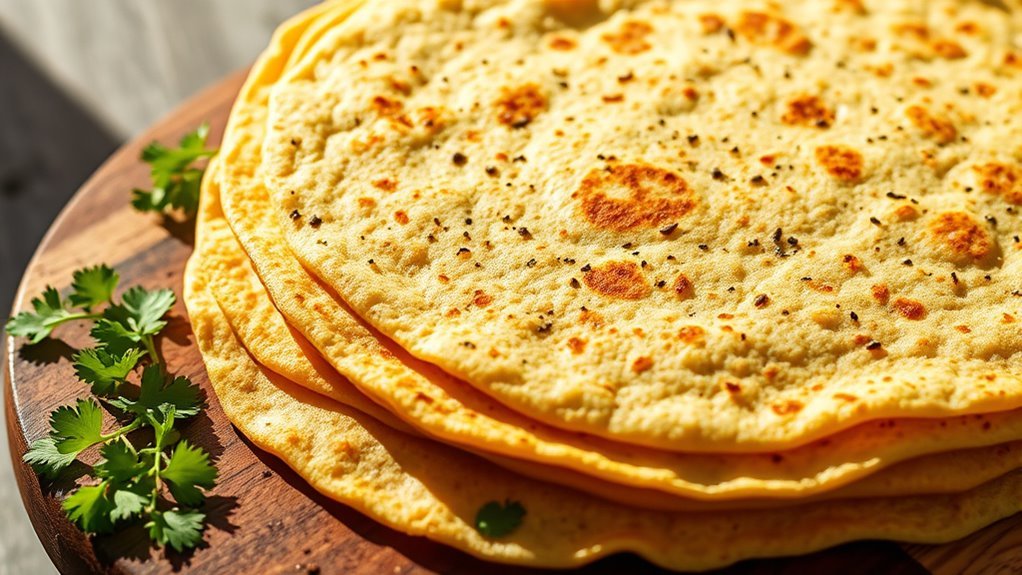

Keto tortillas can be gluten-free, but not all are. To be safe, you should check the ingredient list to verify they contain gluten-free options like almond or coconut flour. Brands like La Banderita and Siete offer gluten-free varieties, but cross-contamination risks exist during manufacturing. Always look for certified gluten-free labels to guarantee safety. If you want to learn about specific brands and how to choose the best options, keep exploring the details.
Understanding Gluten and Its Sources
Gluten, a protein found primarily in wheat, barley, and rye, plays a significant role in the texture and elasticity of many baked goods. If you’re exploring gluten sources, it’s essential to recognize that not all grains contain gluten. For instance, rice and corn are naturally gluten-free. However, if you have gluten intolerance, consuming gluten can lead to various health issues, including digestive discomfort and fatigue. It’s vital to read labels carefully, as gluten can also be present in processed foods, sauces, and even some medications. By understanding gluten and its sources, you can make informed choices that align with your dietary needs, empowering you to enjoy a healthy lifestyle without compromising your well-being.
Common Ingredients in Keto Tortillas
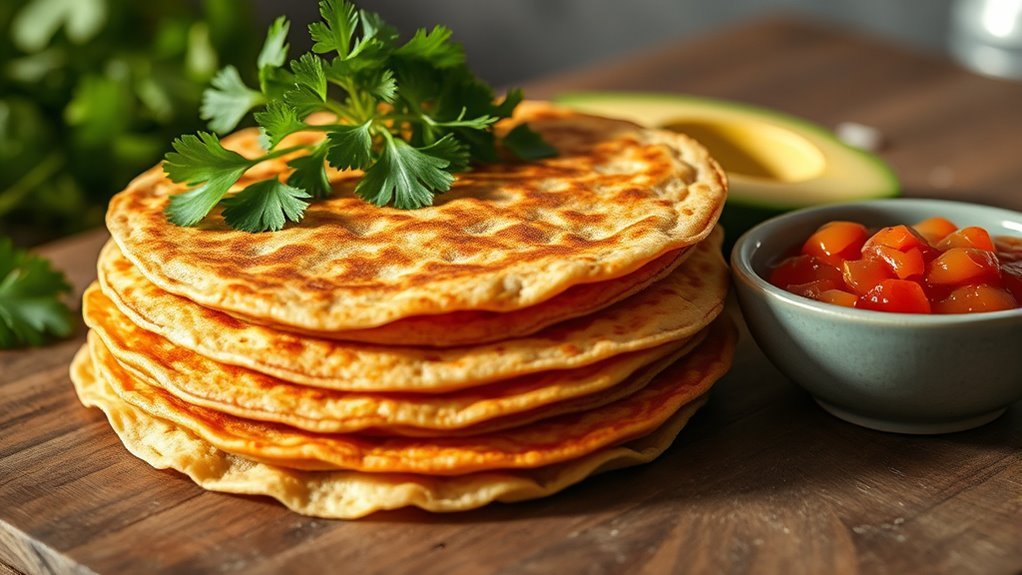
Keto tortillas often feature a unique blend of ingredients designed to keep carbs low while providing the texture and flexibility you’d expect from traditional tortillas. Commonly, you’ll find almond flour and coconut flour as primary bases, offering a nutty flavor and essential nutrients. Psyllium husk is frequently included for its fiber content, helping to bind the ingredients and improve texture. Nutritional yeast adds a cheesy flavor without the carbs, while flaxseed meal contributes omega-3 fatty acids and enhances the tortilla’s structure. Finally, xanthan gum acts as a thickening agent, ensuring your tortillas hold together well during use. This combination not only caters to keto dietary needs but also embraces a more wholesome approach to your meals. Additionally, using low-carb vegetables in your fillings can amplify the nutritional benefits of your keto tortillas.
Are Keto Tortillas Made With Gluten-Free Ingredients?
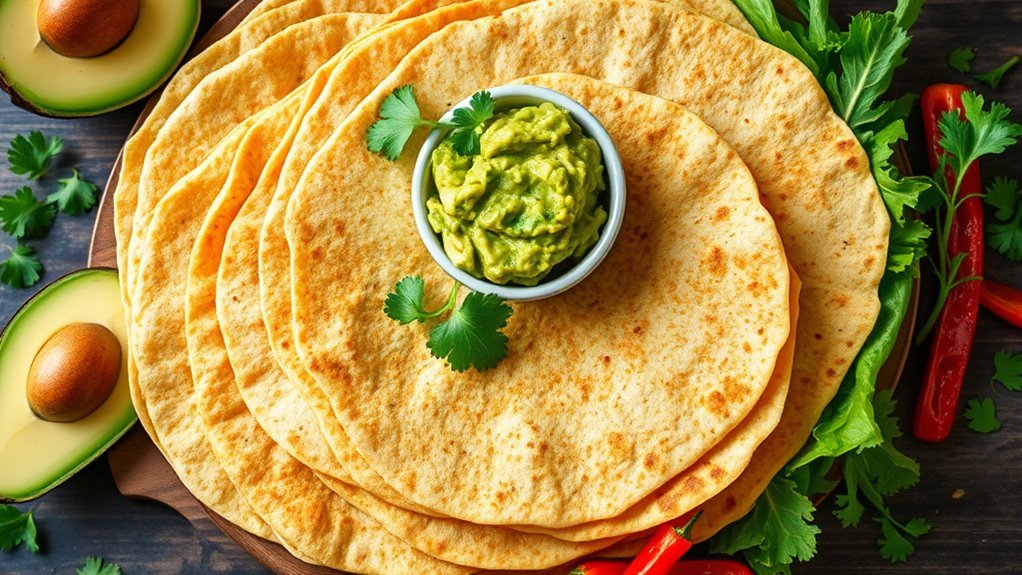
Many people following a ketogenic diet wonder about the ingredients in their food, especially when it comes to gluten. When choosing keto tortillas, it’s vital to look for those made with gluten-free ingredients. Here are some common ingredient alternatives you might find in various keto tortilla types:
When selecting keto tortillas, prioritize those made with gluten-free ingredients for a healthy, low-carb meal.
- Almond flour
- Coconut flour
- Cauliflower
These ingredients not only keep your tortillas gluten-free but also align with the low-carb principles of the ketogenic diet. However, it’s important to check labels, as not all brands guarantee gluten-free status. By being informed about the ingredient alternatives, you can enjoy your meals without compromising your dietary choices. Always opt for options that resonate with your commitment to health and well-being. Including low-carb alternatives can further enhance your meal options while sticking to your keto goals.
Popular Brands of Keto Tortillas and Their Gluten Status
When it comes to choosing the right keto tortillas, understanding the gluten status of popular brands can help you make informed decisions. Many brands, like La Banderita and Mission, offer gluten-free options that cater to your dietary needs. An ingredient analysis reveals that these tortillas often use almond flour or coconut flour instead of traditional wheat. In brand comparisons, you’ll find that while some tortillas are explicitly labeled gluten-free, others may not be. It’s essential to check the packaging and ingredient lists before purchasing. Additionally, brands like Siete and Nuco focus on clean ingredients, ensuring a delicious keto-friendly option without gluten. By staying informed, you can enjoy your meals without compromising your health goals.
Cross-Contamination Risks in Gluten-Free Products
When choosing gluten-free products, it’s important to contemplate the risks of cross-contamination. Manufacturing processes can introduce gluten through shared equipment or facilities, which can compromise the safety of gluten-free items. Additionally, ingredient sourcing practices may not always guarantee that suppliers maintain strict gluten-free standards, so being vigilant is key.
Manufacturing Process Concerns
Although gluten-free products like keto tortillas are designed to cater to individuals with gluten sensitivities or celiac disease, cross-contamination during manufacturing poses a significant concern. It’s crucial to ascertain that brands adhere to strict manufacturing standards and maintain ingredient transparency. Here are some points to evaluate:
- Source of Ingredients: Where do the ingredients come from, and are they processed in gluten-free facilities?
- Testing Practices: Are products tested for gluten levels to verify they meet safety standards?
- Certifications: Does the product have certifications indicating it’s gluten-free?
Understanding these factors can empower you to make informed choices while enjoying your keto tortillas. Always look for brands that prioritize safety and transparency to minimize any risk of cross-contamination. Additionally, consider that low-carb alternatives like almond flour tortillas can also be gluten-free and provide a healthier option for those on a keto diet.
Shared Equipment Hazards
Shared equipment in food manufacturing can pose significant cross-contamination risks for gluten-free products like keto tortillas. When facilities use the same machinery for both gluten-containing and gluten-free items, there’s a chance of residue transfer. This can happen even with thorough cleaning, as microscopic traces of gluten can linger. For individuals with celiac disease or gluten sensitivities, these contamination risks can lead to serious health issues. It’s essential to choose brands that prioritize gluten-free practices and clearly label their products. Understanding how shared equipment impacts safety can empower you to make informed choices. Always look for certifications or assurances that a manufacturer takes steps to minimize cross-contamination in their gluten-free offerings, ensuring your freedom to enjoy safe foods.
Ingredient Sourcing Practices
Cross-contamination risks don’t just stem from shared equipment; they also arise from ingredient sourcing practices. When you’re choosing keto tortillas, it’s essential to reflect on where the ingredients come from and how they’re processed. Ingredient transparency is critical in ensuring your food is genuinely gluten-free.
Here are some key factors to keep in mind:
- Supplier certifications: Look for brands that adhere to strict gluten-free sourcing standards.
- Ingredient origin: Know if the ingredients are sourced from facilities that handle gluten-containing products.
- Testing protocols: Opt for products that undergo rigorous testing for cross-contamination.
Tips for Choosing Safe Keto Tortillas for a Gluten-Free Diet
When you’re choosing keto tortillas for a gluten-free diet, it’s essential to check ingredient labels carefully. Look for certifications, like the gluten-free seal, to guarantee you’re selecting safe options. This way, you can avoid hidden sources of gluten and enjoy your meals with confidence.
Check Ingredient Labels
Maneuvering the world of keto tortillas can be tricky, especially if you’re adhering to a gluten-free diet. To guarantee you’re making safe choices, always check ingredient labels for transparency. Here are some tips to guide you:
- Look for brands that provide detailed ingredient lists.
- Verify that gluten testing is conducted to confirm safety.
- Avoid tortillas with ambiguous or unfamiliar additives.
Ingredient transparency is key; if you can’t identify a component, it’s best to steer clear. Many brands are now prioritizing gluten-free options, but always double-check to avoid surprises. By staying vigilant, you can enjoy your keto lifestyle while keeping your gluten-free needs in check. Remember, knowledge is your best ally in achieving freedom from gluten!
Look for Certifications
Finding keto tortillas that are truly gluten-free can be simplified by looking for specific certifications. The importance of certification cannot be overstated, especially for those with celiac disease or gluten sensitivities. Look for seals from reputable organizations that indicate gluten testing has been conducted. Certifications like “Certified Gluten-Free” or “Gluten-Free Certification Organization” assure you that the product meets strict guidelines and has undergone rigorous testing. When a product displays these certifications, it gives you confidence in its safety. Additionally, always check for transparency in the manufacturing process, as cross-contamination can occur. By prioritizing certified options, you can enjoy your keto lifestyle while ensuring your tortillas are safely gluten-free, giving you the freedom to indulge without worry.
Frequently Asked Questions
Can I Make Homemade Keto Tortillas Gluten-Free?
Yes, you can definitely make homemade keto tortillas gluten-free! You’ll want to explore flour alternatives like almond flour or coconut flour, which are perfect for low-carb diets. Many homemade recipes incorporate these ingredients, providing a flexible base for your tortillas. Just remember to adjust the liquid content since these flours absorb moisture differently. With a bit of experimentation, you’ll enjoy delicious, gluten-free keto tortillas that fit your dietary preferences!
Are All Low-Carb Tortillas Gluten-Free?
Not all low-carb tortillas are gluten-free, but many are. Think of them as a diverse garden; some plants thrive in gluten-free soil while others don’t. When choosing low-carb options, check the ingredients—look for gluten-free ingredients like almond flour or coconut flour. Always read labels, as some brands may sneak in gluten-containing additives. You deserve the freedom to enjoy your meals without worry, so make informed choices that suit your dietary needs.
What Are Common Keto Tortilla Substitutes?
If you’re looking for common keto tortilla substitutes, cauliflower wraps and almond flour tortillas are great options. Cauliflower wraps are low in carbs and offer a light, versatile base for various fillings. On the other hand, almond flour tortillas provide a nutty flavor and are rich in healthy fats, making them satisfying and filling. Both alternatives allow you to enjoy your favorite dishes while maintaining a low-carb lifestyle without sacrificing taste or texture.
How Do I Store Gluten-Free Keto Tortillas?
To store gluten-free keto tortillas, wrap them tightly in plastic wrap or place them in an airtight container. This helps maintain their freshness and texture. For longer tortilla longevity, consider refrigerating them, where they can last up to a week. If you want to extend their life further, freeze them—just separate each tortilla with parchment paper to prevent sticking. When you’re ready to use them, thaw in the fridge or microwave for convenience.
Can I Freeze Keto Tortillas Safely?
Absolutely, you can freeze keto tortillas safely! Picture your tortillas, nestled in a cozy blanket of plastic wrap, ready for their frosty adventure. For best results, use airtight containers or freezer bags to prevent freezer burn. Layer parchment paper between each tortilla for easy separation. When you’re ready to enjoy them, just thaw in the fridge overnight or microwave them briefly. With these freezing methods and storage tips, you’ll savor every bite!
References
- https://www.healthline.com/nutrition/keto-tortillas
- https://www.ncbi.nlm.nih.gov/pmc/articles/PMC6892170/
- https://www.webmd.com/diet/what-is-a-keto-diet
- https://www.celiac.org/celiac-disease/what-is-celiac-disease/
- https://www.ketodietapp.com/Blog/post/what-is-a-keto-diet
- https://www.mayoclinic.org/healthy-lifestyle/nutrition-and-healthy-eating/expert-answers/gluten-free-diet/faq-20058375
- https://www.reuters.com/article/us-health-gluten-idUSKBN1ZT1D2
- https://www.sciencedirect.com/science/article/pii/S2212267219300512