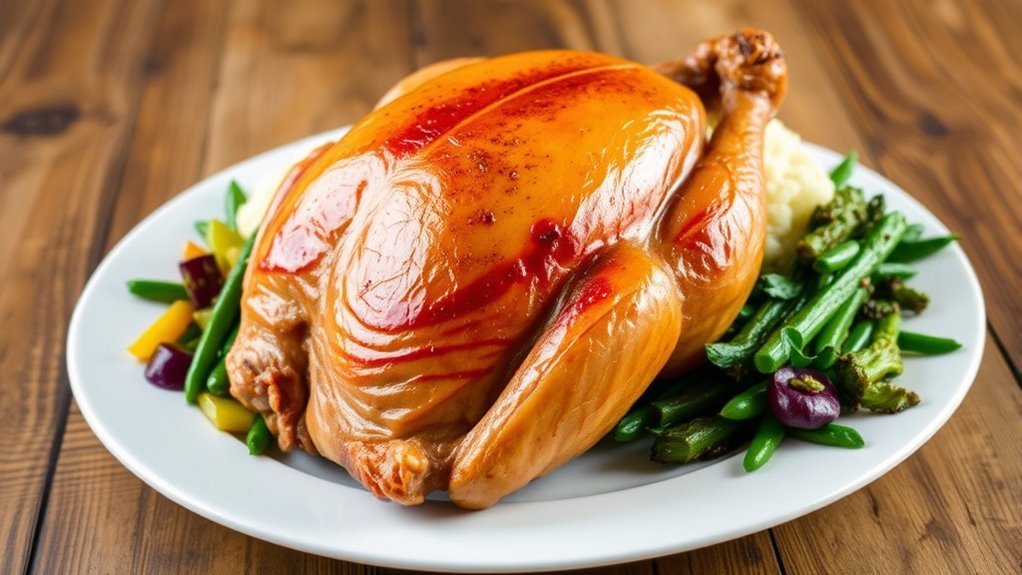

Yes, turkey is keto-friendly! It’s low in carbs and high in protein, making it perfect for a ketogenic diet. All cuts, including turkey breast and thighs, contain minimal to no carbohydrates, supporting your weight management goals. It’s also packed with essential nutrients like B vitamins and selenium, which aid in energy production and immune function. If you want to discover more ways to incorporate turkey into your meals, there’s plenty more to explore!
Nutritional Profile of Turkey
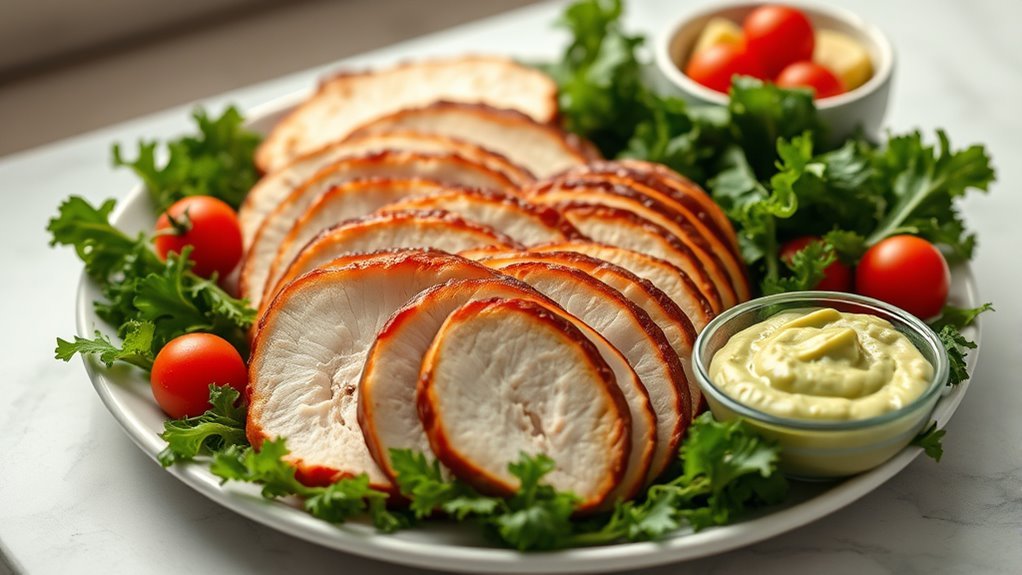
When it comes to evaluating the nutritional profile of turkey, this lean protein source stands out for its impressive benefits. Turkey nutrition is rich in essential nutrients, making it an excellent choice for those seeking a healthy diet. With a high protein content—roughly 26 grams per 3-ounce serving—turkey offers a substantial way to help meet your daily protein needs. Beyond protein, it contains crucial vitamins and minerals, including B vitamins and selenium. These nutrients support energy production and immune function, respectively. Plus, turkey is low in fat, particularly when you choose white meat over dark. Overall, incorporating turkey into your meals can contribute to a balanced, nutritious diet that aligns with your health goals.
Benefits of Turkey on a Keto Diet
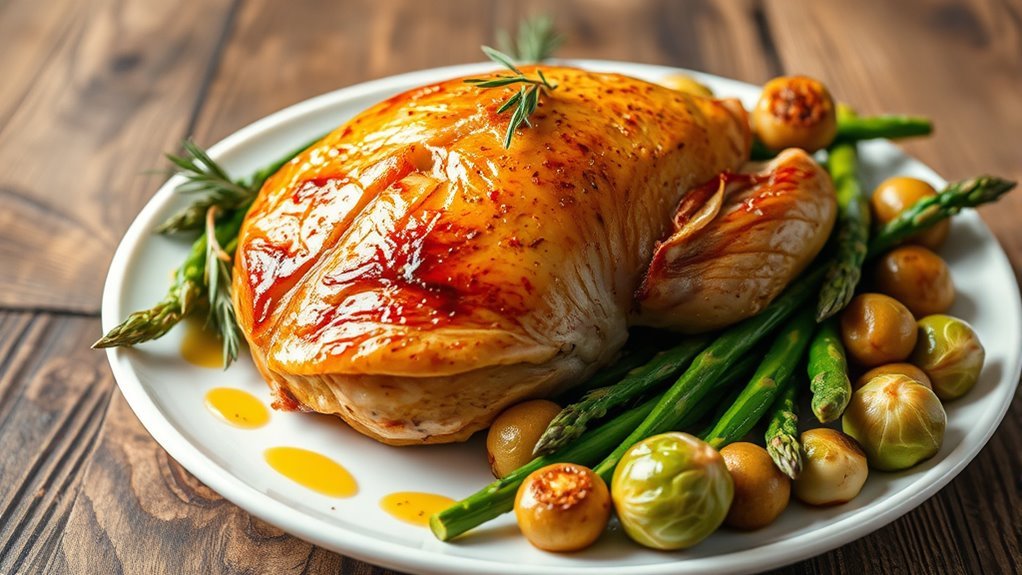
Turkey is not only a nutritious protein source but also a fantastic addition to a keto diet. The benefits of turkey extend beyond its taste; it’s low in carbs while being rich in high-quality protein, which can help you maintain muscle mass during weight loss. Additionally, turkey is packed with vitamins and minerals, offering numerous keto advantages like supporting metabolism and promoting satiety.
| Turkey Benefits | Keto Advantages |
|---|---|
| High in protein | Low in carbs |
| Rich in nutrients | Sustains energy |
| Supports muscle mass | Aids weight loss |
Incorporating turkey into your meals can help you enjoy a satisfying keto lifestyle while reaping health benefits along the way.
Different Cuts of Turkey and Their Carb Content
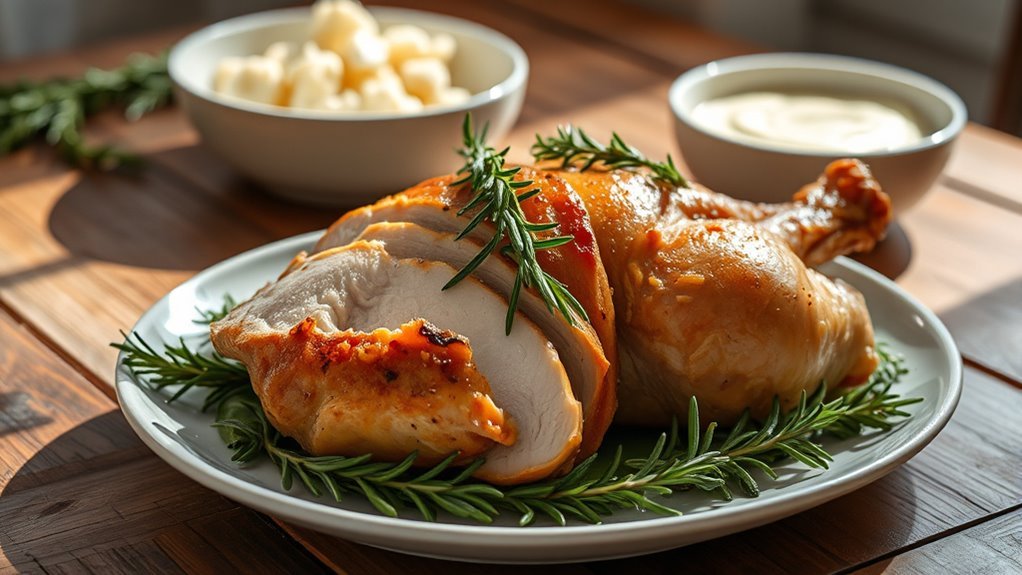
While many people enjoy turkey as a versatile protein option, understanding the carb content in different cuts can help you make informed choices on a keto diet. Generally, turkey is low in carbs, making it a suitable choice. Turkey breast, a popular white meat, contains about 0 grams of carbs, while dark meat, like turkey thighs, has a similar profile. Ground turkey is also keto-friendly, often containing minimal carbs depending on the fat content. Turkey drumsticks can vary slightly but typically remain low in carbs as well. By focusing on these cuts, you can enjoy turkey without worrying about excess carbohydrates, allowing you to stick to your keto goals while savoring delicious flavors.
Cooking Methods for Keto-Friendly Turkey
There are several cooking methods that can enhance the flavor of turkey while keeping it keto-friendly. One popular technique is using brining, which helps retain moisture and adds depth to the meat. You can experiment with different brining techniques, incorporating herbs and spices that align with your keto lifestyle. When it comes to cooking, roasting is an excellent option. Aim for roasting temperatures around 325°F to guarantee even cooking and a crispy skin without compromising the meat’s juiciness. Keep an eye on internal temperatures, targeting 165°F for safety. By mastering these methods, you’ll enjoy flavorful, succulent turkey that fits seamlessly into your keto diet, giving you the freedom to indulge without the guilt.
Flavoring and Seasoning Options
To elevate the flavor of your turkey while keeping it keto-friendly, consider a variety of seasoning and flavoring options that enhance the natural taste of the meat. Herb blends like rosemary, thyme, and sage not only add depth but also provide health benefits. For a bolder flavor, try spice combinations such as paprika, garlic powder, and cumin. These can create a delightful contrast without adding carbs. Additionally, don’t shy away from using healthy fats like olive oil or butter to help the seasonings adhere better and enrich the flavor. Remember, you can mix and match these options to suit your palate while maintaining your keto lifestyle. Enjoy experimenting with different flavors to discover your perfect turkey seasoning!
Meal Ideas Featuring Turkey
If you’re looking to incorporate turkey into your keto meal plan, you’ll find it’s a versatile protein that can be adapted to various dishes. One delicious option is turkey salads; you can mix diced turkey with leafy greens, avocado, and a low-carb dressing for a filling meal. Another idea is turkey wraps, where you can use lettuce leaves as a substitute for traditional tortillas. Simply layer turkey slices, cheese, and your favorite keto-friendly veggies, then roll them up for a satisfying snack. You can also experiment with turkey meatballs or stir-fries, combining them with non-starchy vegetables for a hearty dish. With these ideas, you’ll enjoy turkey while staying aligned with your keto lifestyle.
Common Mistakes to Avoid on a Turkey Keto Diet
When following a turkey keto diet, it’s easy to make some common mistakes that can hinder your progress. You might overlook hidden carbs in sauces or seasonings, misjudge portion sizes, or not choose the right protein sources. Being aware of these pitfalls can help you stay on track and achieve your keto goals more effectively. Additionally, be mindful of processed lunch meats that may contain added sugars and fillers, which can disrupt your ketosis.
Ignoring Hidden Carbs
How often do you check for hidden carbs in your turkey dishes? Many people overlook these sneaky ingredients, which can derail your keto goals. Even if your turkey looks keto-friendly, sauces, marinades, or seasonings may contain hidden sugars that add unwanted carbs. Always read labels and consider the entire meal, not just the turkey itself. Carb counting is essential; it helps you stay on track with your macro goals. For instance, a seemingly harmless glaze could pack a carb punch. By being vigilant about hidden carbs, you can enjoy the freedom of a keto lifestyle without unexpected setbacks. Remember, knowledge is power, and awareness of hidden sugars can make all the difference in your turkey keto diet. Additionally, be mindful of high-carb vegetables that may be served alongside your turkey, as they can also contribute to your overall carbohydrate intake.
Overlooking Portion Sizes
While being aware of hidden carbs is important, another common pitfall in a turkey keto diet is overlooking portion sizes. Many people focus solely on the carb content of turkey and forget that portion control is essential. Eating larger serving sizes can lead to unintentional calorie and protein overload, which may kick you out of ketosis. It’s critical to measure your serving sizes to guarantee you’re staying within your macros. Using a food scale or measuring cups can help you maintain those appropriate portions. Remember, enjoying your meals should be balanced with mindful eating. By keeping an eye on your serving sizes, you can truly enjoy the benefits of a turkey keto diet without compromising your goals.
Misjudging Protein Sources
Although turkey is often celebrated as a lean protein source in a keto diet, misjudging its protein content can lead to unintended consequences. Many people fall for turkey misconceptions, assuming all turkey cuts have the same protein levels. For instance, dark meat contains more fat and fewer proteins than breast meat, affecting your overall macros. If you’re relying solely on turkey without considering alternative protein sources, you might not meet your daily protein needs effectively. Balancing your diet with various protein options, like fish or eggs, can help you avoid deficiencies. Remember, understanding the nutritional differences in turkey cuts is essential for maintaining a successful keto diet. Additionally, incorporating keto-friendly snacks such as cacao nibs can provide added nutritional benefits while satisfying your cravings. Don’t let these misconceptions derail your progress!
Conclusion: Making Turkey Work for Your Keto Lifestyle
If you’re looking to incorporate turkey into your keto lifestyle, you’ll find it an excellent protein option that aligns well with the diet’s low-carb principles. With various turkey types available, from ground turkey to turkey breast, you can easily find a fit for your meals. Lean cuts are particularly beneficial, as they provide high protein with minimal fat. You can also make keto substitutions by swapping traditional high-carb sides for low-carb vegetables or cauliflower rice, ensuring your meals stay within keto guidelines. Don’t forget to season your turkey creatively with herbs and spices to enhance flavor without adding carbs. Additionally, pairing turkey with low-carb vegetables can help you maximize your nutrient intake while maintaining your keto goals. By thoughtfully integrating turkey into your diet, you can enjoy delicious meals while maintaining your keto goals.
Frequently Asked Questions
Can Turkey Be Consumed During Intermittent Fasting?
Absolutely, you can consume turkey during intermittent fasting! Imagine feasting on this protein powerhouse—it’s packed with benefits. Turkey’s low in calories and high in protein, making it a fantastic choice to break your fast. It keeps you full longer and helps maintain muscle mass. Just make sure you enjoy it in moderation, and you’ll experience the freedom of feeling satiated without derailing your fasting goals. So, go ahead, indulge in turkey!
Is Ground Turkey Better Than Whole Turkey for Keto?
Ground turkey can be a great option for keto, but it depends on your goals. It typically contains fewer calories and fat than whole turkey, which might help if you’re watching your macros. However, whole turkey offers richer nutrients and healthy fats, which are essential for a balanced keto diet. Both have their benefits, so consider your personal preferences and nutritional needs when choosing between ground and whole turkey.
How Does Turkey Affect Cholesterol Levels on Keto?
When you think of a grand feast, turkey often takes center stage. On a keto diet, turkey nutrition can actually support healthy cholesterol levels. Turkey is low in saturated fat and high in protein, which may help improve your lipid profile. While individual responses vary, incorporating turkey into your meals can be a flavorful way to manage cholesterol. Just remember to balance it with healthy fats and plenty of veggies for ideal results.
Can I Eat Turkey Bacon on a Keto Diet?
Yes, you can eat turkey bacon on a keto diet! It’s lower in fat than traditional bacon, but it can still fit into your meal prep. Turkey bacon nutrition typically includes fewer calories and carbs, making it a decent protein source. Just watch for added sugars or fillers in some brands. By including it in your keto meals, you can enjoy a tasty, low-carb alternative while keeping your goals in check.
Is Deli Turkey Meat Keto-Friendly?
Yes, deli turkey meat can be keto-friendly! It’s low in carbohydrates and high in protein, making it a great option for your low-carb meals. If you’re looking for sandwich alternatives, try wrapping deli turkey around veggies or cheese slices instead of using bread. Just be mindful of added sugars or fillers in some brands, so check the labels. Overall, deli turkey can be a versatile and satisfying choice on your keto journey!
References
- https://en.wikipedia.org/wiki/Ketogenic_diet
- https://ods.od.nih.gov/factsheets/Choline-HealthProfessional/
- https://www.ncbi.nlm.nih.gov/pmc/articles/PMC7072143/
- https://www.healthline.com/nutrition/keto-diet-foods
- https://www.ncbi.nlm.nih.gov/pmc/articles/PMC6078463/
- https://www.verywellfit.com/the-ketogenic-diet-4118235
- https://www.cdc.gov/healthyweight/assessing/bmi/adult_bmi/english_bmi_calculator/bmi_calculator.html