Peanuts can be keto-friendly if you enjoy them in moderation. They’re nutrient-dense, high in healthy fats, and only contain about 4.3g of net carbs per ounce. Their protein and fiber content also support your dietary needs. However, they do have more carbs than some other nuts, so portion control is key to maintaining ketosis. You might want to explore how best to incorporate peanuts into your diet while maximizing their health benefits.
Nutritional Profile of Peanuts

Peanuts are a nutrient-dense snack that can fit into various dietary plans, including the ketogenic diet. With multiple peanut varieties available, such as Valencia, Virginia, and Spanish, you can enjoy diverse flavors and textures while reaping their health benefits. Peanuts are rich in healthy fats, protein, and essential vitamins and minerals, making them a valuable addition to your diet. Their high nutrient density means you receive ample nutritional benefits without excessive calories. This can support your overall health and help you stay energized throughout the day. Additionally, the presence of antioxidants in peanuts may contribute to heart health and reduce inflammation. Incorporating peanuts into your meals or snacks offers a satisfying way to meet your nutritional needs while enjoying freedom in your food choices. Furthermore, peanuts typically contain low net carbs which makes them suitable for maintaining ketosis.
Carb Content and Serving Size
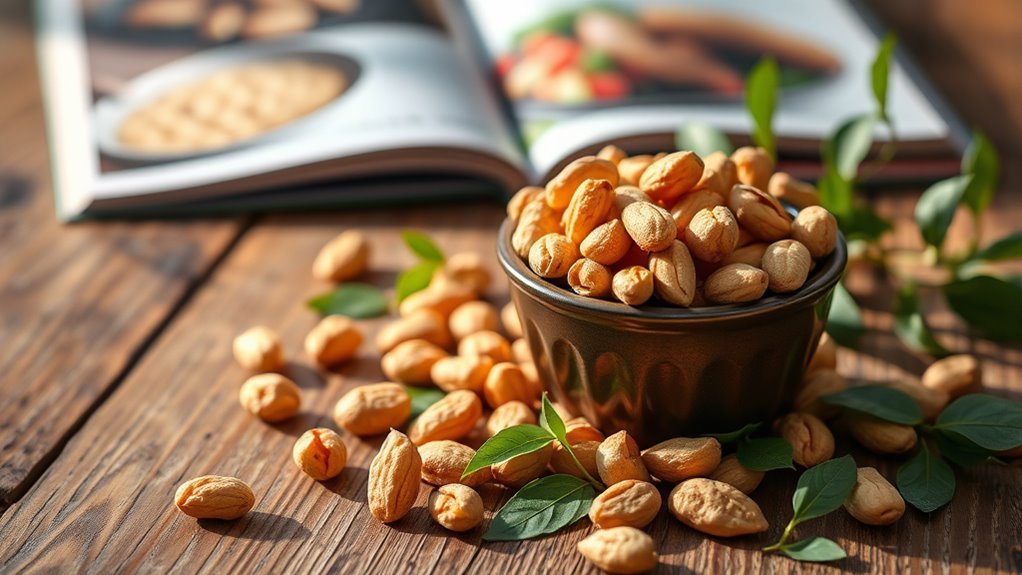
When considering a keto-friendly diet, understanding the carb content and appropriate serving size of peanuts is essential. Peanuts can fit into your low-carb lifestyle, but portion control is key. Here’s a quick look at the carb content and serving suggestions:
| Serving Size | Net Carbs (g) | Carb Sources |
|---|---|---|
| 1 oz (28g) | 4.3 | Peanuts |
| 2 oz (56g) | 8.6 | Peanut Butter |
| 1 tbsp | 1.0 | Peanut Oil |
| 100g | 16.1 | Roasted Peanuts |
| 1/4 cup | 6.0 | Peanuts (raw) |
Incorporating peanuts into your diet can be enjoyable, as long as you’re aware of these carb sources and serving suggestions. Additionally, peanut butter is rich in healthy fats that can aid in promoting satiety on a keto diet.
Health Benefits of Peanuts
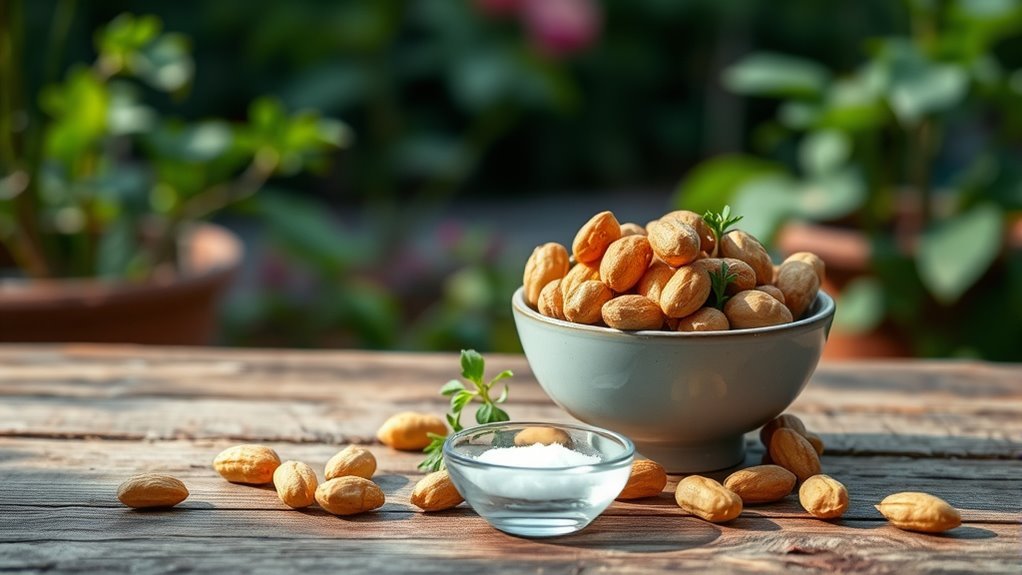
While you might think of peanuts as just a tasty snack, they actually offer several health benefits that can enhance your overall well-being. Packed with nutrients, peanuts are a great source of protein, healthy fats, and fiber. These peanut benefits can support your heart health by reducing bad cholesterol levels and improving blood circulation. Rich in antioxidants, peanuts also help combat oxidative stress, which can lead to chronic diseases. Additionally, their high magnesium content may contribute to better metabolic function and lower blood pressure. Including peanuts in your diet can promote satiety, helping you manage weight effectively. Moreover, natural peanut butter is a great way to enjoy the benefits of peanuts while adhering to a low-carb diet. So, if you’re looking to indulge in a nutritious snack, peanuts can be a satisfying choice that aligns with your health goals.
Peanuts vs. Other Nuts on Keto
When considering peanuts in comparison to other nuts on a keto diet, it’s important to look at their nutritional profiles and carb content. Peanuts are relatively high in protein but also contain more carbohydrates than many other popular nuts, like macadamias or pecans. Understanding these differences can help you make informed choices that align with your keto goals. Additionally, peanuts have higher carb content compared to options like almonds and pecans, which may affect your ability to maintain ketosis.
Nutritional Profile Comparison
Although peanuts are often grouped with tree nuts, their nutritional profile differs markedly, especially for those following a keto diet. You’ll find that peanut varieties like raw or roasted peanuts offer unique benefits, but they typically have lower nutrient density compared to almonds or walnuts. While peanuts provide protein and healthy fats, they lack some essential vitamins and minerals that other nuts boast. For instance, almonds are higher in vitamin E and magnesium, which are beneficial for overall health. When considering your keto journey, balancing your nut choices can make a difference. Opting for a variety of nuts could enhance your nutrient intake, supporting your dietary goals while keeping your meals exciting and satisfying. Additionally, choosing natural varieties of peanut butter can maximize health benefits by minimizing added sugars.
Carb Content Analysis
To determine if peanuts fit into your keto diet, it’s essential to analyze their carb content compared to other nuts. Peanuts, despite their name, are legumes and typically contain around 6 grams of carbs per ounce. In contrast, many nut varieties like almonds and macadamias are lower in carbs, with about 2-3 grams per ounce. This can make a significant difference when you’re aiming for ketosis. Additionally, peanuts have a moderate glycemic index, which means they can raise blood sugar levels more than other nuts. If you’re looking for keto-friendly options, consider almond or pecan varieties, which offer lower carb counts and better fit within your dietary goals. Always remember to monitor your portions for ideal results. Individual responses to peanuts can vary, making it important to assess how they affect your body when following a ketogenic diet.
Incorporating Peanuts Into a Ketogenic Diet
When incorporating peanuts into your ketogenic diet, it’s important to evaluate their nutritional profile, which includes healthy fats, proteins, and fiber. To enjoy their benefits without exceeding your carb limits, practicing portion control is key. By understanding both their nutritional content and how much to consume, you can effectively include peanuts in your keto meals. Additionally, be mindful of portion control to prevent excessive calorie intake while enjoying their rich nutrient profile.
Nutritional Profile Overview
Peanuts can be a surprisingly beneficial addition to a ketogenic diet, offering a unique blend of nutrients that support your health goals. Among the various peanut varieties, such as raw, roasted, or boiled, they all share impressive nutrient density. Peanuts are rich in healthy fats, primarily monounsaturated fats, which can help you stay in ketosis. They also provide protein, fiber, vitamins, and minerals, including magnesium and vitamin E. These nutrients can enhance your overall well-being while satisfying snack cravings. Incorporating peanuts into your meals can add flavor and texture without greatly impacting your carb intake, making them a flexible option for your keto lifestyle. Just remember to enjoy them mindfully to maximize their health benefits, as portion control is essential to avoid exceeding carb limits.
Portion Control Tips
While incorporating peanuts into your ketogenic diet can offer various health benefits, keeping an eye on portion sizes is essential to maintain your carb limits. Peanuts are nutrient-dense but can quickly rack up carbs if not consumed in moderation. Aim for a serving size of about one ounce, which is roughly a small handful. This helps you enjoy their flavor and health benefits without overstepping your carb goals. Practicing mindful eating can also make a difference; savor each bite, and pay attention to how your body feels. This way, you can indulge without the guilt and still stay aligned with your keto lifestyle. Balancing your portions will give you the freedom to enjoy peanuts while adhering to your dietary restrictions. Additionally, remember that peanuts are relatively high in healthy fats and can contribute to your overall nutrient intake on a keto diet.
Potential Drawbacks of Peanuts on Keto
Although peanuts can be a tasty snack option on a keto diet, there are potential drawbacks to evaluate. First, if you have peanut allergies, consuming them could lead to serious health risks. Even a small amount might trigger anaphylaxis, which is life-threatening. Additionally, peanuts are high in fiber, which can cause digestive issues for some people. If you’re not used to a high-fiber diet, you might experience bloating or discomfort. Finally, while they’re low in carbs, peanuts can still contribute to calorie intake, potentially hindering your weight loss goals on keto. It’s important to listen to your body and consider these factors when deciding if peanuts fit into your keto lifestyle. Furthermore, the high protein content in peanuts may not be suitable for everyone depending on their individual dietary needs.
Frequently Asked Questions
Are Roasted Peanuts Better Than Raw Peanuts on Keto?
Roasted peanuts can actually be better than raw peanuts on keto, as the roasting process enhances their flavor and may improve digestibility. Notably, studies show that roasting can reduce certain anti-nutrients, which means you could absorb more nutrients. In a nutritional comparison, roasted peanuts still maintain their healthy fats and protein, making them a satisfying snack. If you’re looking for flavor without sacrificing your keto goals, roasted peanuts might be the way to go!
Can Peanut Butter Be Included in a Keto Diet?
Yes, you can include peanut butter in your keto diet! It’s packed with healthy fats and protein, making it a great option. Just be mindful of the peanut butter nutrition—opt for natural varieties without added sugars. For keto diet tips, keep your portion sizes in check to stay within your carb limits. Enjoy it in moderation, and you’ll find it can be a delicious, satisfying addition to your meals or snacks.
Do Flavored Peanuts Affect Keto Compliance?
Flavored peanuts can be a sneaky little trap on your keto journey, can’t they? While they might sound delicious, those flavored varieties often come packed with nutritional additives and hidden sugars that can derail your carb count. It’s essential to check the labels carefully—some flavors may fit into your plan, but others could push you out of ketosis. Stick to plain or lightly salted options if you want to stay compliant and feel free!
How Do Peanuts Impact Ketosis Levels?
Peanuts can impact your ketosis levels due to their nutrition profile. While they’re high in healthy fats, they also contain carbs, which might affect ketosis maintenance if consumed in large amounts. A moderate intake can fit within a keto diet, but it’s crucial to track your carb consumption. Remember, balancing your macros is key. Enjoy peanuts in moderation, and you can still maintain that freedom with your dietary choices while supporting your ketosis goals.
Are There Any Keto-Friendly Peanut Snacks Available?
You’re craving a tasty snack that aligns with your keto lifestyle, and guess what? There are plenty of keto-friendly peanut snack options out there! From roasted peanuts to homemade keto peanut recipes like peanut butter fat bombs, you’ve got choices. Just remember to watch your portions, as the carbs can add up. Embrace these delicious snacks, and enjoy the freedom of satisfying your cravings while staying on track with your ketogenic journey!
References
- https://www.healthline.com/nutrition/peanuts-and-keto
- https://www.ncbi.nlm.nih.gov/pmc/articles/PMC6313445/
- https://www.medicalnewstoday.com/articles/324316
- https://www.eatright.org/health/diseases-and-conditions/diabetes/are-peanuts-keto-friendly
- https://www.webmd.com/diet/obesity/what-is-the-ketogenic-diet
- https://www.verywellfit.com/are-peanuts-keto-friendly-5187000