

Yes, you can experience hypoglycemia while following a keto diet. As your body shifts from glucose to ketones for fuel, blood sugar levels can drop, especially if you have increased insulin sensitivity or inadequate carbohydrate intake. Signs of hypoglycemia include sweating, dizziness, and irritability. It’s crucial to monitor your blood sugar and maintain a balanced intake of fats and proteins. To learn more about managing these symptoms and ensuring a safe keto journey, keep exploring.
Understanding Ketosis and Blood Sugar Levels
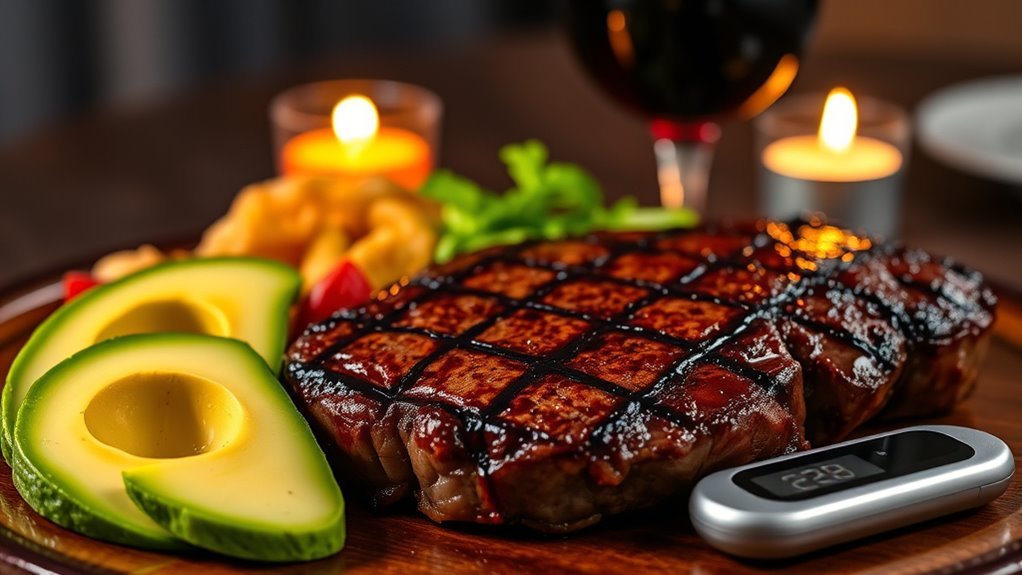
When you commence a keto diet, your body undergoes significant changes in how it processes energy, primarily shifting from glucose to ketones as its main fuel source. This shift brings numerous ketosis benefits, including improved mental clarity and increased fat burning. As your body adapts, you’ll notice a decrease in your blood sugar levels, which can stabilize energy throughout the day. Lower blood sugar can reduce cravings, helping you maintain dietary discipline. Furthermore, consistent ketone production can lead to enhanced metabolic flexibility, allowing your body to efficiently switch between fuel sources. By understanding these changes, you empower yourself to embrace the freedom that comes with a well-managed keto lifestyle. This knowledge can help you navigate potential challenges effectively. Importantly, monitoring your blood sugar levels during this transition can ensure that you remain within a healthy range.
Signs and Symptoms of Hypoglycemia on Keto
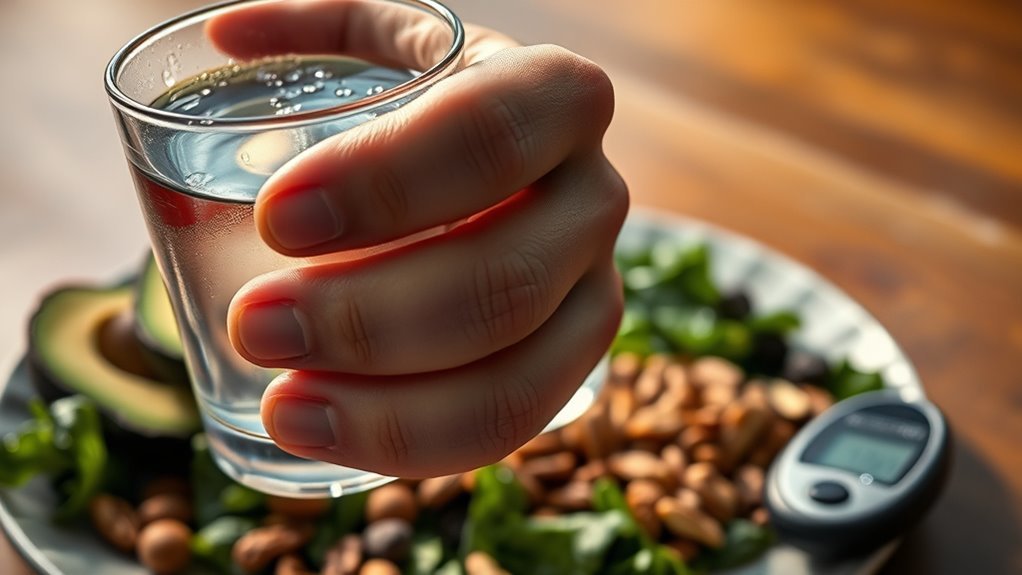
Hypoglycemia, a condition characterized by abnormally low blood sugar levels, can present specific signs and symptoms for those following a keto diet. It is crucial to recognize these symptoms early, especially during your keto adaptation phase. Here’s a symptoms checklist to help you identify potential hypoglycemia:
| Symptoms | Severity Level | Action Needed |
|---|---|---|
| Sweating | Mild | Monitor blood sugar |
| Dizziness | Moderate | Eat a small snack |
| Irritability | Moderate | Rest and reassess |
| Confusion or weakness | Severe | Seek medical help |
Being aware of these symptoms can empower you to maintain your health while enjoying the benefits of the keto diet. Always listen to your body and seek guidance if needed.
Factors Contributing to Hypoglycemia During Keto

While following a keto diet can effectively manage weight and improve metabolic health, several factors can contribute to the risk of hypoglycemia. One significant factor is your insulin sensitivity, which may increase as your body adapts to using fat for fuel instead of carbohydrates. This heightened sensitivity can lead to a more pronounced drop in blood sugar levels, especially if you consume fewer carbohydrates than your body is used to. Additionally, inadequate carbohydrate intake can exacerbate this issue, leaving you with insufficient glucose to stabilize blood sugar levels. It’s crucial to monitor your food choices and be aware of how your body responds, ensuring you maintain a balanced approach to prevent potential hypoglycemic episodes during your keto journey. Furthermore, monitoring essential vitamins and minerals is key to avoiding deficiencies that can worsen hypoglycemic symptoms.
Strategies to Prevent and Manage Hypoglycemia
To effectively prevent and manage hypoglycemia on a keto diet, it’s imperative to adopt a proactive approach to meal planning and monitor your body’s signals. Start by making dietary adjustments that emphasize balanced macronutrient intake, ensuring you’re getting adequate fats and proteins. Incorporating low-carb snacks can help stabilize glucose levels between meals. Regular glucose monitoring is essential; it allows you to identify patterns and respond promptly to drops in blood sugar. Don’t skip meals, and consider smaller, frequent meals to maintain energy levels. Staying hydrated and ensuring sufficient electrolyte intake also plays a significant role in preventing hypoglycemia. Additionally, understanding how the ketogenic diet influences blood sugar levels can further enhance your ability to manage this condition. By being attentive to your body’s needs, you can enjoy the freedoms of a keto diet while minimizing hypoglycemic risks.
When to Seek Medical Advice on Keto Diet and Hypoglycemia
Recognizing when to seek medical advice is essential for anyone on a keto diet who experiences symptoms of hypoglycemia. If you frequently feel shaky, dizzy, or excessively fatigued, it’s vital to consult a healthcare professional. A medical evaluation can help determine whether these symptoms stem from the keto diet or another underlying issue. Additionally, if you notice persistent low blood sugar levels despite making dietary adjustments, it’s time to reach out for guidance. Ignoring these signs could lead to serious health complications. Working with a healthcare provider can guarantee your keto journey remains safe and effective, allowing you to maintain the freedom you seek in your dietary choices while prioritizing your health.
Frequently Asked Questions
Can I Experience Hypoglycemia if I’M Not Diabetic on Keto?
Yes, you can experience hypoglycemia on a keto diet, even if you’re not diabetic. During keto adaptation, your body shifts from using glucose to fat for energy, which can lead to fluctuations in blood sugar levels. If you’re not consuming enough carbohydrates, your blood sugar might drop too low, causing symptoms like dizziness or fatigue. It’s crucial to monitor your intake and listen to your body’s signals to maintain balance and avoid hypoglycemia.
Does Intermittent Fasting Increase Hypoglycemia Risk on Keto?
Intermittent fasting can indeed increase your risk of hypoglycemia on keto, especially if you’re not careful with your meal timing. When you fast, your blood sugar levels can drop, and combined with a low-carb diet, it may lead to symptoms like dizziness or fatigue. It’s essential to monitor how your body responds. Make sure you eat nutrient-dense meals during your eating windows to maintain balanced blood sugar levels and avoid potential pitfalls.
Can Hypoglycemia Affect My Workout Performance on Keto?
Yes, hypoglycemia can negatively impact your workout performance on keto. If you’re experiencing hypoglycemia symptoms like dizziness, weakness, or irritability, your energy levels may drop, making it difficult to complete keto workouts effectively. Maintaining stable blood sugar levels is essential for endurance and strength during exercise. To prevent this, make certain you’re consuming enough healthy fats and proteins while being mindful of your carb intake, which can help support your workout efforts.
Is Hypoglycemia More Common in Beginners or Long-Term Keto Followers?
Hypoglycemia’s often more common in beginners than in long-term keto followers. Think of it like adjusting to a new rhythm in dance; at first, you might stumble while your body adapts to a lower carb intake and fluctuating blood sugar levels. As your body becomes more efficient in using fat for fuel, this risk diminishes. Staying aware of your symptoms during the keto adaptation phase can help you navigate this dance gracefully.
Are Certain Keto Foods More Likely to Cause Hypoglycemia?
Certain keto food types can contribute to blood sugar fluctuations, especially if they’re low in fiber or high in simple carbohydrates. Foods like processed snacks or sugary sauces might spike your blood sugar initially, leading to potential dips later. Instead, focus on whole foods, healthy fats, and low-carb vegetables to maintain stable glucose levels. By choosing wisely, you can enjoy the freedom of keto without risking hypoglycemia.
References
- https://www.ncbi.nlm.nih.gov/pmc/articles/PMC6581975/
- https://www.webmd.com/diet/what-is-a-keto-diet
- https://ods.od.nih.gov/factsheets/Chromium-HealthProfessional/
- https://www.health.harvard.edu/staying-healthy/the-ketogenic-diet
- https://www.nhlbi.nih.gov/health-topics/diabetes
- https://www.cdc.gov/diabetes/basics/hypoglycemia.html
- https://www.mayoclinic.org/healthy-lifestyle/nutrition-and-healthy-eating/expert-answers/keto-diet/faq-20417531
- https://www.jamanetwork.com/journals/jama/fullarticle/2780861