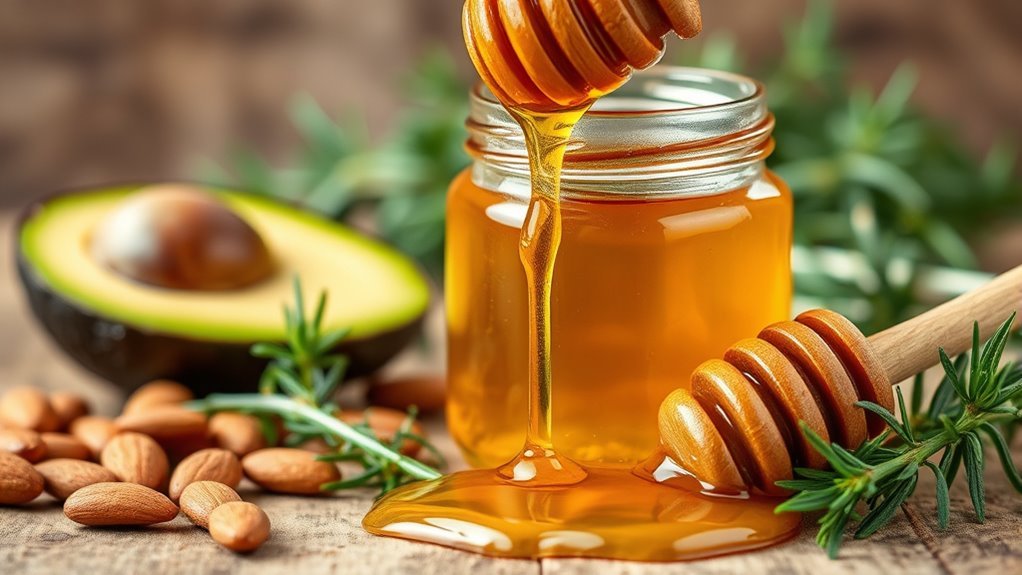

You can have honey on the keto diet, but you’ll need to be careful. Honey is high in carbohydrates, with about 17 grams per tablespoon, which can disrupt ketosis. To enjoy honey without going over your carb limit, consider using it in moderation—limit it to a teaspoon or less. While honey offers health benefits, there are also keto-friendly sweeteners that won’t affect your ketosis. Let’s explore how you can incorporate them effectively.
Understanding the Keto Diet Principles
When you plunge into the keto diet, it’s essential to understand its core principles, as they guide not just what you eat but how your body functions. The primary keto principles revolve around drastically reducing carbohydrates while increasing healthy fats. This shift encourages your body to enter ketosis, a state where it burns fat for fuel instead of glucose. While this approach can offer benefits like weight loss and improved energy levels, it comes with dietary restrictions that might feel limiting at first. You’ll need to avoid high-carb foods, including many fruits and grains. However, embracing these guidelines can lead to newfound freedom in your eating choices, allowing you to explore a variety of delicious, low-carb recipes that support your keto journey. Additionally, understanding carb restriction is crucial for maintaining ketosis and ensuring that your body effectively burns fat for energy.
Nutritional Profile of Honey
When considering honey’s role in your diet, it’s important to look at its carbohydrate content, which can impact your keto goals. You’ll also want to understand its glycemic index and how it may affect your blood sugar levels. Plus, honey does offer some nutritional benefits that can be valuable, even in moderation. However, the high sugar content of honey can quickly disrupt ketosis, making it a less suitable option for those strictly adhering to a keto diet.
Carbohydrate Content Overview
Although honey is often praised for its natural sweetness and potential health benefits, its carbohydrate content is an essential factor to take into account, especially for those following a ketogenic diet. Here’s a quick overview of honey’s carbohydrate profile:
- Carbohydrates per tablespoon: Honey contains about 17 grams of carbs.
- Sugar types: It’s primarily made up of fructose and glucose, which are simple sugars.
- Serving size matters: Even small amounts can add up quickly, impacting your carb limit.
- Comparative sources: While honey is a natural sweetener, consider other sugar alternatives that fit better into a keto lifestyle.
Being aware of these carbohydrate sources helps you make informed choices about incorporating honey into your diet.
Glycemic Index Implications
Understanding honey’s carbohydrate content leads to an important consideration for those on a keto diet: its glycemic index (GI). Honey has a moderate GI, typically ranging from 45 to 64, which means it can cause a notable glycemic response. For those monitoring their carbohydrate intake, this can be a concern since a higher GI food may spike blood sugar levels, potentially affecting insulin sensitivity. While honey offers some benefits, it’s essential to weigh these against the need for maintaining ketosis. If you’re aiming to keep your blood sugar stable, you might want to limit honey consumption or choose lower GI alternatives. Ultimately, being mindful of your body’s unique response is crucial in steering your keto journey.
Nutritional Benefits of Honey
Honey is often celebrated for its rich nutritional profile, which includes a variety of vitamins, minerals, and antioxidants. It can be a delicious source of natural energy while also providing health benefits. Here are some nutritional highlights:
- Antioxidant properties: Honey contains flavonoids and phenolic acids, which help combat oxidative stress in your body.
- Vitamins: You’ll find small amounts of B vitamins, including riboflavin and niacin, essential for energy metabolism.
- Minerals: Honey provides minerals like calcium, magnesium, and potassium, supporting overall health.
- Natural energy booster: Its natural sugars offer a quick energy lift, making it a favored choice among athletes.
While honey offers these benefits, moderation is key, especially on a keto diet.
Carbohydrate Content in Honey
When considering honey on a keto diet, it’s essential to look at its carbohydrate content. Honey is primarily made up of sugars, which means even a small amount can impact your ketosis levels. Understanding its carb composition helps you make informed choices about incorporating honey into your meal plan.
Honey’s Carb Composition
Approximately 82 grams of carbohydrates can be found in just 100 grams of honey, making it a significant source of sugars. If you’re evaluating honey consumption on a keto diet, it’s crucial to be mindful of this carb content. Here are a few things to reflect on:
- Honey primarily consists of fructose and glucose.
- Its high sugar content can quickly add up and impact your daily carb limit.
- There are keto alternatives like stevia, erythritol, or monk fruit that can satisfy your sweet tooth.
- If you indulge, do so sparingly to maintain your keto goals.
Additionally, understanding its high glycemic index can help you make informed choices, allowing for a balance between enjoyment and staying on track with your diet.
Impact on Ketosis Levels
Although it might seem tempting to incorporate honey into your diet for its natural sweetness, its high carbohydrate content can considerably disrupt ketosis. Just a tablespoon of honey contains about 17 grams of carbs, which can easily exceed your daily limit on a keto diet. This spike in carbohydrates can hinder ketosis maintenance, pushing your body out of its fat-burning mode. Instead of honey, consider honey alternatives like stevia or erythritol, which provide sweetness without the carbs. These options can help you satisfy your cravings while keeping your ketosis levels stable. Remember, maintaining ketosis is about finding balance, so choose wisely and explore alternatives that align with your lifestyle and dietary goals. Staying within the recommended carb intake levels is essential for achieving health goals on keto.
The Impact of Honey on Ketosis
While honey is often praised for its natural sweetness and health benefits, its impact on ketosis can be significant. If you’re aiming for ketosis maintenance, it’s essential to contemplate how honey fits into your diet. Here are some key points to keep in mind:
- Carbohydrate Content: Honey is high in carbs, which can disrupt ketosis.
- Sugar Spike: Consuming honey can lead to blood sugar spikes, halting fat-burning.
- Moderation is Key: If you choose to indulge, keep portions very small.
- Sweetener Alternatives: Consider low-carb sweeteners like stevia or erythritol for a keto-friendly option.
Health Benefits of Honey
If you’re looking for natural remedies, honey offers a range of health benefits that go beyond its sweet flavor. It’s packed with antioxidant properties, helping to combat oxidative stress and support heart health. Honey can provide an energy boost, making it a great natural source of fuel. When it comes to digestive health, it may help soothe gastrointestinal issues and promote beneficial gut bacteria. Its wound healing abilities are well-documented, as honey can aid in tissue repair. Additionally, honey offers skin benefits, including hydration and healing properties. For allergy relief, local honey may help your body adapt to local pollen. Finally, some studies suggest honey can enhance brain function, making it a versatile addition to your wellness toolkit. However, it’s important to remember that honey’s high carbohydrate content can disrupt ketosis and energy levels for those on a ketogenic diet.
Alternative Sweeteners for Keto
When you’re following a keto diet, finding suitable sweeteners can be challenging due to the strict carbohydrate limits. Luckily, there are several sugar substitutes and natural sweeteners that can satisfy your cravings without derailing your progress. Here are some great low carb options:
- Stevia: A popular choice, stevia offers sweetness with minimal calories. Plus, its benefits include no impact on blood sugar.
- Monk Fruit: This natural sweetener is gaining popularity and has zero calories, making it a fantastic sugar alternative.
- Erythritol: A sugar alcohol, erythritol has minimal carbs and doesn’t spike your insulin levels.
- Keto Friendly Syrups: These syrups are specially formulated to provide sweetness without carbs, perfect for flavor enhancers in recipes. Additionally, allulose is a low-calorie sweetener suitable for keto diets, allowing for guilt-free enjoyment of desserts and beverages.
Explore these sweetener alternatives to enjoy your keto journey!
Moderation: How Much Honey Can You Use?
When considering honey on a keto diet, it’s essential to pay attention to its carb content, as even small amounts can add up quickly. Portion control is key, so think about how much honey you can incorporate without exceeding your daily carb limit. Finding a balance will help you enjoy honey while staying within your dietary goals.
Carb Content Considerations
Although honey is a natural sweetener, it’s important to take into account its carb content when following a keto diet. Honey contains about 17 grams of carbs per tablespoon, which can quickly add up. If you’re considering using honey, keep these carb content considerations in mind:
- Daily Carb Limit: Most keto diets recommend staying under 20-50 grams of carbs daily.
- Moderation is Key: If you choose to indulge, limit your intake to a teaspoon.
- Explore Honey Alternatives: Look into keto sweeteners like stevia, erythritol, or monk fruit as lower-carb options.
- Balance Your Diet: Verify you’re still getting enough nutrients while incorporating honey sparingly. Additionally, be aware that hidden sugars can accumulate quickly and affect your progress.
Being mindful of these factors will help you enjoy honey without derailing your keto journey.
Portion Control Strategies
Finding the right balance with honey on a keto diet requires careful portion control. Since honey is high in carbs, it’s essential to be mindful of your portion sizes. Aim for small amounts—consider limiting yourself to one teaspoon or less. This way, you can enjoy the sweetness without jeopardizing your carb limits.
Practicing mindful eating can help you savor the flavor of honey while staying within your dietary goals. Pay attention to how it enhances your meals or snacks. Remember, it’s about moderation; even small amounts can add up if consumed frequently. By understanding how honey fits into your overall carb intake and being conscious of your portions, you can enjoy its benefits while maintaining your keto lifestyle.
Recipes to Incorporate Honey on a Keto Diet
Incorporating honey into a keto diet can be a delightful challenge, as it’s important to balance its natural sweetness with your daily carbohydrate limits. With careful planning, you can enjoy a touch of honey in various keto-friendly recipes. Here are some ideas:
- Honey Mustard Dressing: Mix honey, mustard, and olive oil for a tangy salad dressing.
- Low-Carb Yogurt Parfait: Swirl a small amount of honey into Greek yogurt, topped with nuts.
- Keto Smoothie: Blend avocado, spinach, unsweetened almond milk, and a drizzle of honey for a tasty drink.
- Honey Glazed Chicken: Use honey, soy sauce, and ginger for a flavorful marinade.
Personalizing Your Keto Journey With Honey
When you commence a keto journey, personalizing your approach can make all the difference, especially when it comes to integrating honey. Honey usage can be a delicious way to enhance your meals while maintaining keto flexibility. By considering your personal preferences and dietary adjustments, you can enjoy the natural sweetness of honey in moderation. It’s essential to practice mindful consumption, ensuring that any added carbs align with your daily limits. A small drizzle in your tea or yogurt can provide flavor enhancement without derailing your progress. Remember, everyone’s keto experience is unique, so finding the right balance of honey that fits your lifestyle will help you stay committed and enjoy the journey. Additionally, understanding honey’s high sugar content can help you make informed choices about how much to use.
Final Thoughts on Honey and Keto
While you may be tempted to indulge in honey’s natural sweetness, it’s important to approach it with a clear understanding of its place within a keto diet. Honey is high in carbs and can disrupt ketosis, but if you’re looking for some flexibility, consider these points:
- Moderation is Key: If you choose to indulge, do so sparingly to minimize carb intake.
- Explore Honey Alternatives: Try options like stevia, erythritol, or monk fruit for sweetness without the carbs.
- Monitor Your Macros: Keep track of your daily carb limit to maintain ketosis.
- Balance Your Choices: Incorporate honey occasionally while focusing on nutrient-dense foods for overall health.
- Understanding macronutrient ratios is essential to ensure you stay within your carb limits while enjoying sweeteners.
Ultimately, enjoying keto means finding a balance that works for you!
Frequently Asked Questions
Can Honey Spike Blood Sugar Levels for Diabetics on Keto?
Yes, honey can spike blood sugar levels for diabetics, even on a keto diet. Its natural sugars can lead to a quick rise in blood glucose, which may be concerning for those managing diabetes. While honey has some health benefits, the diabetic impact shouldn’t be overlooked. If you’re considering using it, monitor your blood sugar closely, and consult with a healthcare professional to ascertain it fits within your dietary goals and health needs.
Is Raw Honey Better Than Processed Honey for Keto?
When you’re choosing between raw and processed honey, raw honey’s benefits often stand out. Picture yourself enjoying a spoonful of golden, unfiltered honey, packed with antioxidants and nutrients. Unlike processed honey, which can lose beneficial compounds and might have added sugars, raw honey retains its natural goodness. However, both types can still impact your blood sugar levels. So, if you’re aiming for a healthier choice, raw honey may be the way to go.
Can I Use Honey in Keto-Friendly Beverages?
You can’t really use honey in keto-friendly beverages if you want to stay within your carb limits. Honey’s high sugar content can quickly push you over, making it tough to maintain ketosis. Instead, consider honey alternatives like stevia or erythritol, which provide sweetness without the carbs. These options can enhance your keto beverages without derailing your diet, giving you the freedom to enjoy tasty drinks while keeping your goals in mind.
Does the Floral Source of Honey Affect Its Keto Compatibility?
Yes, the floral source of honey does affect its keto compatibility. Did you know there are over 300 different types of honey, each with varying sugar content? Floral diversity influences the carbohydrate levels, meaning some honey types might be higher in sugars than others. If you’re aiming for a low-carb lifestyle, it’s essential to check the specific variety’s nutritional information. Ultimately, moderation is key to enjoying honey while staying keto-friendly.
Can Honey Be Part of a Strict Ketogenic Meal Plan?
Honey isn’t typically part of a strict ketogenic meal plan due to its high carbohydrate content. If you’re looking for sweeter options, consider honey alternatives like stevia or erythritol, which are keto-friendly sweeteners that won’t spike your blood sugar. These alternatives can help you satisfy your sweet tooth without compromising your goals. Remember, it’s all about making choices that align with your lifestyle while enjoying the freedom of your diet!
References
- https://www.healthline.com/nutrition/honey-and-keto-diet
- https://www.ncbi.nlm.nih.gov/pmc/articles/PMC3611628/
- https://www.webmd.com/diet/obesity/what-is-the-keto-diet
- https://www.diabetes.org/nutrition/healthy-food-choices-made-easy/understanding-carbohydrates
- https://www.hhs.gov/fitness/eat-healthy/nutrition/index.html