

The ketogenic diet plan is a low-carbohydrate, high-fat eating approach that shifts your metabolism from burning glucose to utilizing ketones for energy. Typically, this involves consuming about 70-75% fat, 20-25% protein, and only 5-10% carbohydrates. By entering ketosis, your body can efficiently burn fat, leading to rapid weight loss and enhanced mental clarity. However, it’s important to reflect on potential drawbacks. There’s much more to discover about the benefits and tips for successful adherence.
What Is the Ketogenic Diet?

The ketogenic diet, often referred to as keto, is a low-carbohydrate, high-fat eating plan designed to shift your body’s metabolism away from glucose and towards ketones, which are produced from fat. This macronutrient breakdown typically consists of around 70-75% fat, 20-25% protein, and only about 5-10% carbohydrates. By adhering to this ratio, you encourage your body to enter the ketosis process, where it becomes highly efficient at burning fat for energy. This not only helps in weight management but also promotes mental clarity and sustained energy levels. Understanding these fundamental principles can empower you to take control of your nutrition, allowing for a greater sense of freedom in your dietary choices while working toward your health goals.
Benefits of the Keto Diet
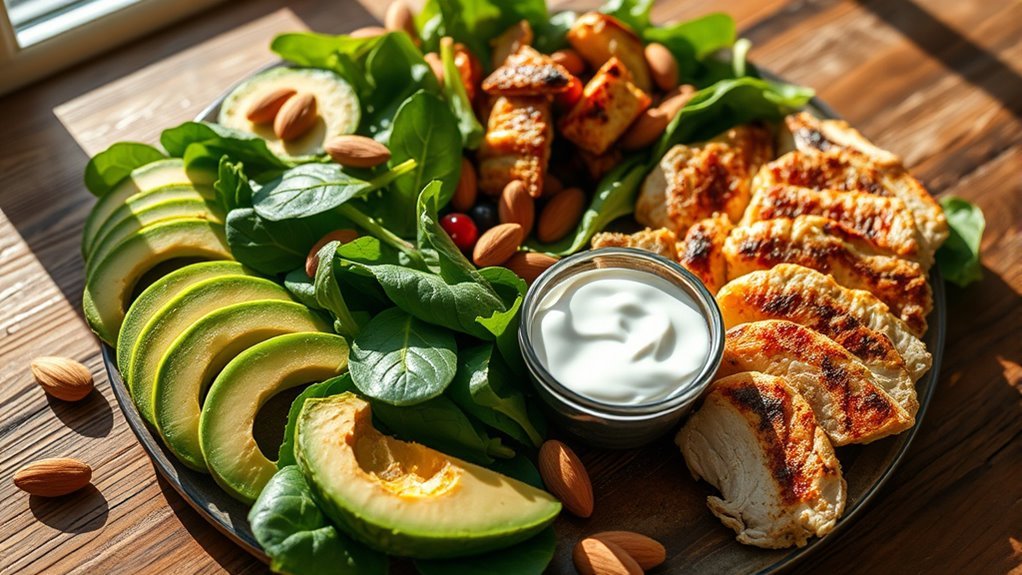
Numerous studies highlight the benefits of the keto diet, making it a popular choice for many seeking effective weight loss and improved health. By considerably reducing carbohydrate intake, your body enters a state of ketosis, where it burns fat for fuel. This process can lead to rapid weight loss, making it easier to achieve your goals. Beyond physical changes, many individuals report enhanced mental clarity and focus while following the keto diet. This cognitive boost is often attributed to the brain’s reliance on ketones, a more efficient energy source than glucose. Overall, the keto diet not only supports weight loss but also promotes a sharper mind, giving you the freedom to feel your best in daily life.
Potential Drawbacks and Risks

While many people experience success on the keto diet, it’s important to be aware of the potential drawbacks and risks associated with this eating plan. One significant concern is the risk of nutrient deficiencies, as the diet restricts various food groups, limiting your intake of essential vitamins and minerals. Over time, this can lead to health issues if not properly managed. Additionally, the long-term sustainability of the keto diet can be challenging for many. Adhering to such a restrictive plan may not be feasible in the long run, leading to potential weight regain or unhealthy eating patterns. It’s vital to evaluate your individual needs and consider a balanced approach to guarantee both short-term success and long-term health.
How to Get Started on Keto
Getting started on the keto diet requires some planning and preparation to guarantee a smooth conversion into this low-carbohydrate, high-fat lifestyle. Begin by understanding your daily macronutrient needs, as tracking macros is essential for success. This involves calculating your ideal fat, protein, and carbohydrate intake to maintain ketosis. Meal prepping can simplify your journey; prepare meals in advance to avoid the temptation of high-carb options. Stock your pantry with keto-friendly foods like avocados, nuts, and low-carb vegetables. Don’t forget to stay hydrated and consider electrolyte supplementation, as your body adapts. With these strategies in place, you’ll find the change to keto more manageable and empowering, revealing a new level of dietary freedom.
Tips for Success on the Keto Diet
To thrive on the keto diet, it’s vital to stay informed and adaptable as you navigate this new eating approach. Start with effective meal planning; this not only saves time but guarantees you stick to your carb limits. Consider prepping your meals for the week to avoid last-minute temptations. When grocery shopping, focus on whole, unprocessed foods like meats, dairy, and low-carb vegetables. Reading labels is essential—watch for hidden sugars and carbs in packaged items. Don’t forget to stay hydrated and replenish electrolytes, as this can help mitigate the “keto flu.” Finally, embrace flexibility; if you slip up, don’t be discouraged—just refocus and keep moving forward. Your journey to freedom in your eating habits is a continuous process.
What is the Keto Diet Plan?
The Keto diet, short for ketogenic diet, is a low-carb, high-fat dietary regimen that aims to shift the body’s metabolism away from carbohydrates and towards fat and ketones. This metabolic state is known as ketosis, where the body becomes efficient at burning fat for energy. Typically, the macronutrient breakdown for a keto diet is approximately 70-75% fat, 20-25% protein, and only about 5-10% carbohydrates. This change in diet can help with weight loss, improved energy levels, and better mental clarity for some individuals.
What foods can you eat on a Keto Diet?
On a Keto diet, you should primarily focus on foods that are high in healthy fats and low in carbohydrates. Examples of foods you can eat include:
- Meat: beef, pork, chicken, and fatty fish
- Low-carb vegetables: leafy greens, broccoli, cauliflower, and zucchini
- High-fat dairy: cheese, butter, and cream
- Nuts and seeds: almonds, walnuts, chia seeds, and flaxseeds
- Healthy oils: olive oil, coconut oil, and avocado oil
It’s important to avoid high-carb foods such as grains, sugars, and starchy vegetables while following this diet.
What are the potential benefits of the Keto Diet?
The Keto diet offers several potential benefits, including:
- Weight Loss: Many individuals experience significant weight loss due to ketosis, which helps the body burn stored fat.
- Improved Blood Sugar Control: The diet may help stabilize blood sugar levels, making it beneficial for those with type 2 diabetes.
- Enhanced Mental Clarity: Some followers report improved focus and cognitive function as the brain utilizes ketones for energy.
- Increased Energy Levels: Once adapted, many people find they have more sustained energy throughout the day.
However, individual results may vary, and it’s essential to consult with a healthcare provider before making significant dietary changes.
Are there any side effects of the Keto Diet?
Yes, while many people adapt well to the Keto diet, some may experience side effects, particularly during the initial transition phase, often referred to as the “Keto flu.” Common side effects include:
- Fatigue and lethargy
- Nausea
- Headaches
- Difficulty sleeping
- Digestive issues
These symptoms are usually temporary and can be alleviated by ensuring proper hydration, maintaining electrolyte balance, and gradually transitioning into the diet. Long-term adherence may also pose risks, including nutrient deficiencies and potential effects on heart health, so regular monitoring by a healthcare professional is advisable.
Is the Keto Diet suitable for everyone?
The Keto diet is not suitable for everyone. Individuals with certain medical conditions, such as pancreatitis, liver disease, or metabolic disorders, should avoid it. Additionally, pregnant or breastfeeding women and those with a history of eating disorders should consult a healthcare provider before starting the diet. It’s crucial to evaluate personal health circumstances and dietary preferences when considering the Keto diet, as a balanced approach to nutrition is essential for overall health.
References
- https://en.wikipedia.org/wiki/Ketogenic_diet
- https://www.ncbi.nlm.nih.gov/pmc/articles/PMC7072286/
- https://www.healthline.com/nutrition/what-is-the-keto-diet
- https://www.webmd.com/diet/what-is-the-keto-diet
- https://www.mayoclinic.org/healthy-lifestyle/nutrition-and-healthy-eating/expert-answers/keto-diet/faq-20474881
- https://www.cdc.gov/healthyweight/assessing/bmi/adult_bmi/english_bmi_calculator/bmi_calculator.html
- https://www.who.int/news-room/fact-sheets/detail/healthy-diet
- https://www.fda.gov/food/food-labeling-nutrition/what-you-need-know-about-keto-diet

