Oatmeal isn’t typically suitable for a ketogenic diet due to its high carbohydrate content, which can interfere with ketosis and affect your blood sugar levels. A single serving of cooked oatmeal contains around 27 grams of carbs, likely exceeding your daily limit. While oatmeal has health benefits, its carbs can hinder keto goals. However, there are great oatmeal alternatives that allow you to maintain your low-carb lifestyle while enjoying tasty meals. Discover more about these options and tips to stay in ketosis.
Understanding the Ketogenic Diet

When you’re exploring the ketogenic diet, it’s important to understand its fundamental principles. At its core, the ketogenic diet focuses on drastically reducing carbohydrate intake while increasing fats, prompting your body to enter a state of ketosis. This metabolic shift allows your body to burn fat for energy instead of carbs. However, adopting this lifestyle comes with dietary restrictions, as not all foods fit within the ketogenic framework. You’ll need to be mindful of your food choices, prioritizing healthy fats and protein while avoiding high-carb options. Balancing these elements can empower you to make informed decisions that align with your health goals, ultimately giving you the freedom to enjoy the benefits of a ketogenic lifestyle without feeling deprived. Maintaining a daily carb intake of 20-50 grams is essential for achieving and sustaining ketosis.
The Nutritional Profile of Oatmeal
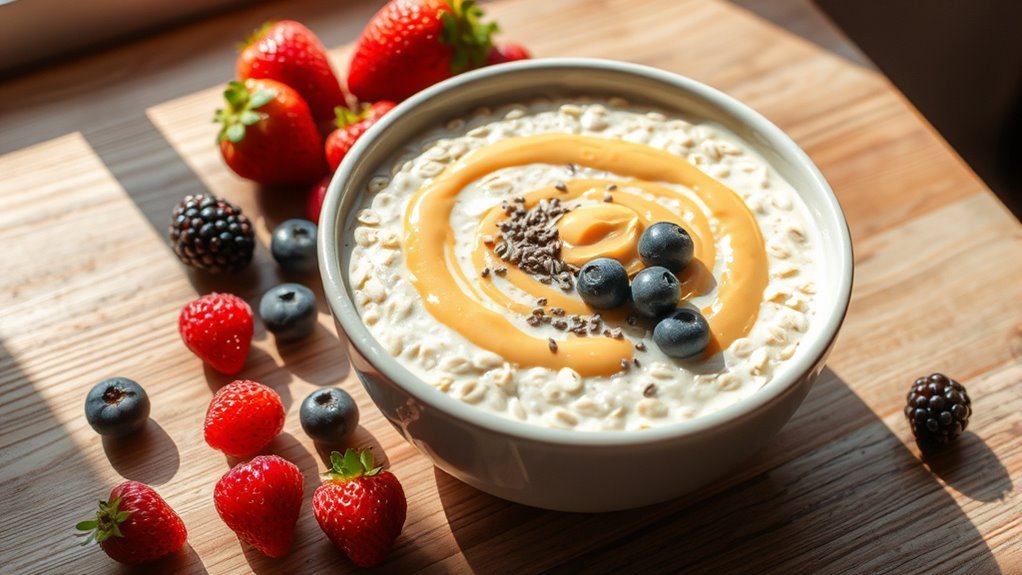
Oatmeal is often celebrated for its nutritional benefits, but its carbohydrate content raises questions for those following a ketogenic diet. One serving of cooked oatmeal typically contains about 27 grams of carbs, which can considerably impact your daily intake. However, oatmeal offers health benefits like fiber, which aids digestion and promotes satiety. If you’re considering oatmeal, explore various preparation methods—such as overnight oats, baked oatmeal, or using it in smoothies—to potentially lower its carb impact. You can also combine oatmeal with low-carb toppings like nuts or seeds to enhance the nutritional profile. Ultimately, it’s essential to weigh these health benefits against your individual carb goals to see if oatmeal fits your lifestyle. Additionally, understanding carbohydrate content can help you make informed dietary choices while following a low-carb diet.
Carbohydrates and Ketosis Explained
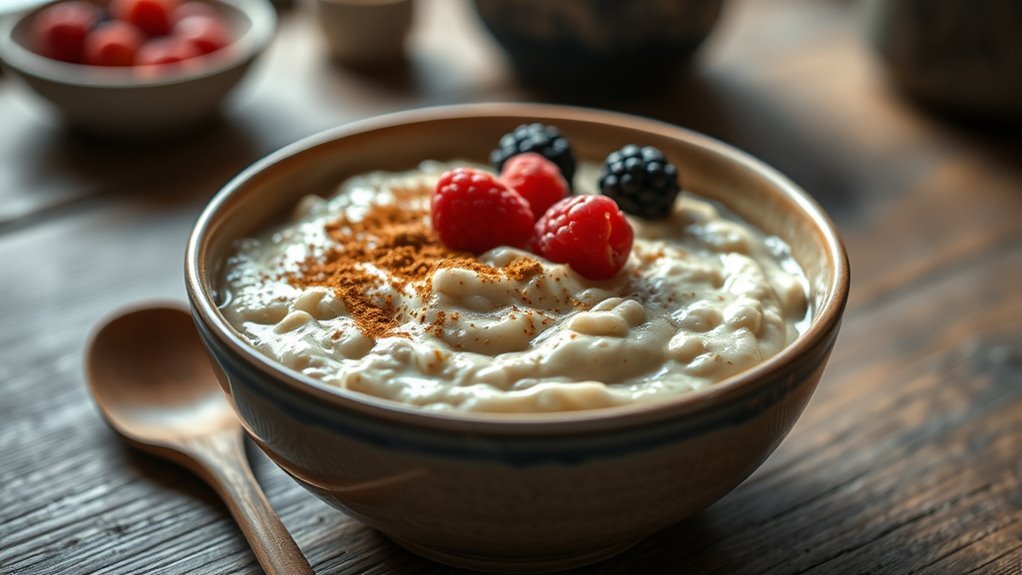
Carbohydrates play an essential role in determining whether your body enters a state of ketosis, where it primarily burns fat for fuel instead of glucose. When you consume carbs, they undergo carbohydrate metabolism, raising your blood sugar levels and prompting insulin release. This process can hinder ketosis maintenance, as your body will prefer using glucose for energy. To achieve and sustain ketosis, you’ll typically need to limit your carbohydrate intake, often to less than 20-50 grams per day. This restriction encourages your body to deplete its glycogen stores and shift into fat-burning mode. By understanding the balance between carbohydrates and ketosis, you can enjoy the freedom to make informed dietary choices that align with your health goals. Additionally, carbohydrate restriction is essential for entering and maintaining ketosis, allowing for efficient fat burning.
The Impact of Oatmeal on Blood Sugar Levels
When considering oatmeal on a keto diet, it’s essential to understand its glycemic index and how it affects your blood sugar levels. While oatmeal can provide important nutrients, its impact on insulin response and blood sugar may differ compared to other grains. By examining these factors, you can make informed choices that align with your dietary goals.
Glycemic Index of Oatmeal
Understanding the glycemic index (GI) of foods is vital for anyone monitoring their blood sugar levels, especially on a ketogenic diet. Oatmeal varieties can greatly affect your glycemic response. For instance, instant oatmeal tends to have a higher GI compared to steel-cut or whole oat options, which release sugars more slowly into your bloodstream. This slower release can be beneficial, but it’s important to take into account portion sizes and how these oats fit into your overall carb intake. If you choose to include oatmeal in your diet, opting for lower-GI varieties and pairing them with healthy fats or protein can help mitigate blood sugar spikes. Balancing your meals is key to maintaining your desired freedom while sticking to your dietary goals.
Effects on Insulin Response
Although oatmeal can be a nutritious choice, its impact on insulin response is crucial for those following a ketogenic diet. The carbohydrates in oatmeal can greatly affect your blood sugar levels, leading to increased insulin secretion. Here are three key points to evaluate:
- Insulin Sensitivity: Consuming oatmeal may hinder your body’s ability to maintain insulin sensitivity, a critical factor for ketosis.
- Blood Sugar Spike: Oatmeal can cause a rapid increase in blood sugar, making it challenging to stay within your carb limits.
- Long-term Effects: Regular consumption could lead to insulin resistance over time, further complicating your keto journey. Additionally, understanding the high carbohydrate content of oatmeal is essential in managing your overall carb intake.
Understanding these effects can empower you to make informed food choices while pursuing a ketogenic lifestyle.
Comparisons With Other Grains
While oatmeal is often praised for its health benefits, it’s essential to compare its impact on blood sugar levels with that of other grains. Oatmeal typically has a lower glycemic index than refined grains like white rice or bread, which means it may cause a slower rise in blood sugar. However, compared to whole grains like quinoa or barley, oatmeal’s glycemic response can be higher. If you’re aiming for stable blood sugar levels, consider these grain comparisons. While oatmeal offers fiber and nutrients, you might find that other grains provide similar benefits with less impact on your glucose. Ultimately, exploring various options can help you maintain a balanced diet while enjoying the freedom to choose what works best for you.
Exploring Oatmeal Alternatives for Keto
If you’re following a ketogenic diet, finding suitable alternatives to traditional oatmeal can be essential for maintaining your low-carb lifestyle. Fortunately, there are several oatmeal substitutes that can satisfy your breakfast cravings without disrupting ketosis. Here are three great options:
- Chia Seed Pudding: Packed with fiber and healthy fats, chia seeds create a creamy texture when soaked in almond milk.
- Flaxseed Meal: This low-carb option provides a nutty flavor and can be mixed with water or yogurt for a quick meal.
- Coconut Flour Porridge: Combining coconut flour with water or nut milk yields a deliciously thick and satisfying dish.
These keto cereals can help you enjoy breakfast while keeping your carb count low, giving you the freedom to stay on track. Additionally, choosing low carbohydrate content alternatives is crucial for maintaining ketosis and managing blood sugar levels.
Low-Carb Porridge Recipes to Try
When you’re on a keto diet, finding satisfying breakfast options can feel challenging, but low-carb porridge recipes offer a delicious solution. One popular choice is using low carb oats made from ground flaxseed or chia seeds, which can mimic the texture of traditional oatmeal. Simply mix these ingredients with unsweetened almond milk or coconut milk and cook until thickened.
To elevate your porridge, consider keto friendly toppings like sliced almonds, berries, or a dollop of almond butter for added flavor and healthy fats. You can also sprinkle cinnamon or a sugar-free sweetener to enhance the taste. With these low-carb porridge recipes, you can enjoy a hearty breakfast while staying true to your keto lifestyle. Embracing ketosis can redefine your relationship with food and enhance your overall well-being.
The Role of Fiber in a Keto Diet
Fiber plays an essential role in maintaining digestive health, especially on a keto diet where carbohydrate intake is greatly reduced. It helps regulate blood sugar levels and can aid in keeping you feeling full longer. You’ll find plenty of fiber sources that fit into your keto lifestyle, from leafy greens to nuts and seeds. Incorporating low-carb fruits into your meals can also enhance your fiber intake while adhering to keto guidelines.
Importance of Dietary Fiber
Although many people associate the ketogenic diet with high fat and low carbohydrates, the importance of dietary fiber shouldn’t be overlooked. Including fiber in your diet is essential for several reasons:
- Digestive Health: Soluble fiber helps regulate blood sugar levels and can lower cholesterol, while insoluble fiber aids in keeping your digestive system running smoothly.
- Satiety: Fiber-rich foods can help you feel full longer, making it easier to stick to your keto goals without constant cravings.
- Nutrient Absorption: A balanced intake of fiber improves the absorption of essential nutrients, which can be particularly beneficial on a restrictive diet like keto.
Incorporating the right types of fiber can enhance your overall well-being while enjoying the freedom of a ketogenic lifestyle. For instance, consuming leafy greens provides not only fiber but also a wealth of vitamins and minerals essential for health.
Fiber Sources on Keto
While following a ketogenic diet, it’s important to incorporate fiber sources that align with your low-carb goals. Fiber plays an important role in digestion and can help you feel full, supporting your weight management efforts. There are various fiber types, including soluble and insoluble fibers, each offering unique fiber benefits. Here’s a quick guide to some keto-friendly fiber sources:
| Fiber Source | Fiber Type |
|---|---|
| Chia Seeds | Soluble |
| Flaxseeds | Soluble |
| Avocado | Soluble |
| Spinach | Insoluble |
| Broccoli | Insoluble |
Incorporating these fiber sources can enhance your keto journey, ensuring you stay on track while enjoying a diverse array of foods. Chia seeds, with their high fiber content and net carb count, are particularly beneficial for maintaining a keto lifestyle.
Tips for Maintaining Ketosis
To successfully maintain ketosis, it’s crucial to monitor your carbohydrate intake closely. Here are three tips to help you stay on track:
- Meal Planning: Plan your meals in advance to guarantee you have keto-friendly options available. Incorporate healthy fat sources and protein choices in your recipes to enhance flavor and satisfaction.
- Mindful Eating: Practice portion control by being aware of your hunger cues. This can prevent overeating and help you enjoy your keto snacks without guilt.
- Hydration Strategies: Stay hydrated by drinking plenty of water. Proper hydration supports nutrient timing and can help curb cravings, making it easier to stick to your meal prep and maintain ketosis. Additionally, be mindful of your body’s hydration needs to ensure you’re meeting your daily water intake requirements.
Balancing Nutrients on a Keto Diet
Balancing nutrients on a keto diet is vital for maintaining energy and supporting your overall health. You’ll need to understand macronutrient ratios, the difference between fiber and carbs, and the impact of meal timing on your metabolic state. By focusing on these factors, you can optimize your diet to stay in ketosis while meeting your nutritional needs.
Macronutrient Ratios Explained
Understanding macronutrient ratios is essential for successfully following a keto diet, especially when you want to enjoy foods like oatmeal without derailing your progress. The ideal ratios for a keto diet typically consist of high fats, moderate protein, and very low carbohydrates. Here’s a quick macronutrient breakdown to keep in mind:
- Fats: 70-75% of your daily intake to promote ketosis.
- Proteins: 20-25% helps maintain muscle mass while on a low-carb diet.
- Carbohydrates: 5-10% should be limited to stay within keto guidelines.
Fiber vs. Carbs
While many people focus on limiting carbohydrates when following a keto diet, it’s equally important to contemplate the role of fiber in your overall nutrient intake. Fiber content is vital for digestive health and can help you feel full, which is essential when you’re managing carb limitations. Unlike net carbs, fiber isn’t digested, so it doesn’t impact your blood sugar levels the same way other carbohydrates do. Incorporating high-fiber foods like leafy greens, seeds, and nuts can support your keto journey without compromising your carb goals. Balancing fiber with your carb intake not only promotes better health but also provides you with the freedom to enjoy a diverse range of foods while adhering to a keto lifestyle.
Meal Timing Importance
Meal timing can greatly influence how effectively your body utilizes the nutrients you consume, especially on a keto diet. By implementing smart meal timing strategies, you can enhance your energy levels and maintain ketosis more efficiently. Here are three key points to evaluate:
- Intermittent Fasting: This can help optimize fat burning and improve insulin sensitivity, making your keto journey smoother.
- Meal Frequency: Eating fewer, larger meals can stabilize your energy levels and prevent unnecessary snacking, aligning with your keto goals.
- Nutrient Timing: Consuming the right nutrients at specific times can maximize their benefits, aiding in muscle recovery and overall health.
Real-Life Experiences: Oatmeal on Keto
As you navigate the keto lifestyle, you might wonder how oatmeal fits into your meal plan. While traditional oatmeal is high in carbs, some people have found creative ways to satisfy their oatmeal cravings without derailing their keto goals. For example, you could try chia seed pudding or flaxseed meal porridge, which mimic the texture of oatmeal but are low in carbs. Many keto enthusiasts have shared experiences of enjoying these alternatives as a keto breakfast, feeling satisfied without the carb overload. It’s all about finding options that align with your dietary choices while still giving you that comforting breakfast feel. Remember, it’s essential to listen to your body and choose what works best for you on your keto journey.
Frequently Asked Questions
Can I Eat Oatmeal Occasionally on a Keto Diet?
You can eat oatmeal occasionally on a keto diet, but it’s essential to monitor your carb counts. Traditional oatmeal is high in carbs, which can kick you out of ketosis. Instead, consider oatmeal alternatives like chia seeds or flaxseed meal, which are lower in carbs and high in fiber. These options can provide a similar texture while fitting better within your carb limitations, allowing you some freedom in your meal choices.
What Are the Best Low-Carb Oatmeal Substitutes?
When you’re looking for oatmeal alternatives, consider that a recent study found that almost 70% of people struggle to maintain low-carb diets due to high-carb cravings. Instead of traditional oats, try chia seeds, flaxseeds, or almond meal. These options are not only low in carbs but also excellent fiber sources, helping you feel full longer. Embracing these substitutes can give you the freedom to enjoy a satisfying breakfast without derailing your keto goals.
How Does Oatmeal Affect Weight Loss on Keto?
Oatmeal can hinder weight loss on keto due to its higher carb content, which might disrupt ketosis. When you’re meal planning, it’s crucial to take into account oatmeal nutrition; while it’s nutritious, it’s not low enough in carbs for a keto diet. Instead, opt for low-carb substitutes that provide similar texture and satisfaction. This way, you can enjoy your meals while staying on track with your weight loss goals. Freedom to choose wisely is key!
Are There Any Keto-Friendly Oatmeal Brands Available?
Yes, there are keto-friendly oatmeal brands available. Look for products made from low carb grains like chia seeds or flaxseed. These options can be used in keto oatmeal recipes to create a satisfying breakfast without derailing your carb count. Brands like “Keto Oats” offer alternatives that mimic traditional oatmeal while keeping carbs low. You can enjoy a warm, comforting bowl while staying within your dietary goals, giving you the freedom to indulge without guilt.
Can I Prepare Oatmeal With Almond Milk on Keto?
You can prepare oatmeal with almond milk on keto, but it’s essential to choose low-carb oatmeal alternatives, like chia seed pudding or flaxseed meal. Curiously, studies show that almond milk can reduce calorie intake by up to 50% compared to regular milk, making it a great choice for those watching their carbs. Just be mindful of portions and added sugars. Enjoy the creamy texture while keeping your keto goals in check!
Can I have oatmeal on a keto diet?
Oatmeal is generally not considered keto-friendly due to its high carbohydrate content. A standard serving of oatmeal can contain around 27 grams of carbs, which can exceed the daily carb limit for many individuals on a keto diet. However, some people may choose to include small amounts of oatmeal occasionally if it fits within their daily carb allowance, but this should be done with caution and consideration of your overall daily intake.
What are the alternatives to oatmeal on a keto diet?
There are several low-carb alternatives to oatmeal that are more compatible with the keto diet. Options include chia seed pudding, flaxseed meal porridge, or coconut flour porridge. These alternatives provide similar textures and can be flavored with spices like cinnamon or vanilla, while keeping carb counts low.
How many carbs can I consume on a keto diet?
The standard ketogenic diet typically restricts carbohydrate intake to about 20-50 grams per day. This amount may vary depending on individual factors like activity level, age, and metabolic health. It’s essential to track your carb intake carefully to maintain ketosis, which is the metabolic state that the keto diet aims to achieve.
Can I eat oatmeal in moderation on keto?
While some individuals may choose to include a small serving of oatmeal in moderation and still remain in ketosis, this varies from person to person. It is crucial to monitor how your body responds and to calculate the carbs from the oatmeal in the context of your total daily intake. If you find that your ketone levels drop, it may be best to avoid oatmeal entirely.
What should I look for when choosing keto-friendly breakfast options?
When selecting keto-friendly breakfast options, look for foods that are low in carbohydrates and high in healthy fats. Ingredients such as eggs, avocado, cheese, nuts, and seeds are excellent choices. Additionally, consider incorporating non-starchy vegetables and dairy products like Greek yogurt, while avoiding grains and sugar-rich foods to stay within your carb limits.
References
- https://www.ncbi.nlm.nih.gov/pmc/articles/PMC6366438/
- https://www.healthline.com/nutrition/keto-diet-foods
- https://www.webmd.com/diet/what-to-eat-on-the-keto-diet
- https://www.mayoclinic.org/healthy-lifestyle/nutrition-and-healthy-eating/expert-answers/keto-diet/faq-20486617
- https://www.verywellfit.com/keto-diet-food-list-4688951
- https://www.cdc.gov/healthyweight/assessing/bmi/adult_bmi/english_bmi_calculator/bmi_calculator.html
- https://www.nutrition.org.uk/healthyliving/healthyeating/the-ketogenic-diet.html