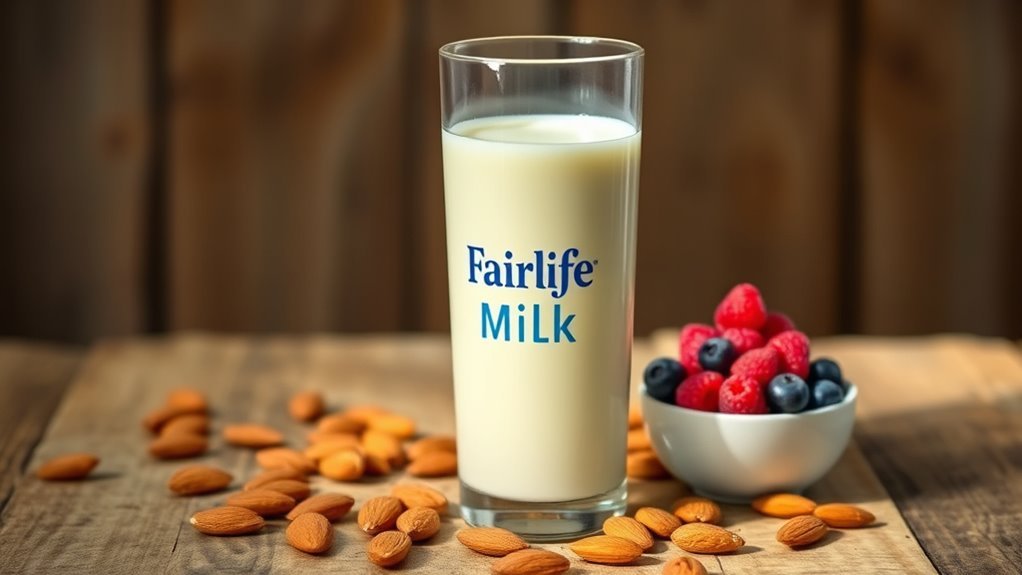
Fairlife Milk is a keto-friendly option for your diet, as it contains only 6 grams of carbs per cup and boasts a high protein content of about 13 grams. Its ultra-filtered process removes lactose and sugar, making it easier to digest while supporting stable blood sugar levels. However, keep in mind potential drawbacks, such as added ingredients or higher costs. To better understand how it fits into your keto meal plan, you may want to explore further.
Understanding the Ketogenic Diet
The ketogenic diet, often referred to as keto, is a low-carbohydrate, high-fat dietary approach designed to shift your body into a state of ketosis, where it burns fat for fuel instead of carbohydrates. Understanding the ketogenic basics can help you navigate the many diet misconceptions that exist. Many believe that eating fat leads to weight gain, but research indicates that a higher fat intake can actually promote fat loss when carbohydrates are restricted. By focusing on whole, nutrient-dense foods and eliminating sugar and starches, you’ll empower your body to function efficiently. This freedom from traditional dietary constraints allows for greater flexibility in meal choices, ultimately supporting your health goals while enjoying the process. Embracing keto can transform your relationship with food. Additionally, metabolic adaptation enhances the body’s efficiency in utilizing fat, which is a crucial aspect of the keto lifestyle.
Nutritional Profile of Fairlife Milk
When evaluating Fairlife Milk’s nutritional profile, you’ll want to take into account its carbohydrate content, which is lower than that of regular milk, making it more suitable for a ketogenic diet. Additionally, the protein and fat ratio in Fairlife Milk plays an essential role in meeting your dietary goals. Understanding these components will help you determine how this milk fits into your keto lifestyle. Fairlife Milk’s lower carb content and higher protein levels can significantly support your nutritional needs while following a ketogenic diet.
Carb Content Analysis
Although many dairy products can be high in carbohydrates, Fairlife Milk stands out due to its unique nutritional profile. With just 6 grams of carbs per cup, it’s a great choice for those following a keto lifestyle. Unlike traditional milk, which can contain higher carb sources, Fairlife employs a filtration process that reduces sugar while maintaining essential nutrients. This makes it a suitable option for keto snacks, allowing you to enjoy your favorite recipes without exceeding your carb limits. Fairlife Milk also provides a creamy texture, enhancing your beverages and meals. By incorporating this milk into your diet, you can enjoy dairy without compromising your ketogenic goals. It truly offers a revitalizing balance of taste and nutrition. Additionally, its lower carb content compared to traditional cow’s milk makes it an even better fit for those on a ketogenic diet.
Protein and Fat Ratio
Fairlife Milk’s nutritional profile offers a compelling protein and fat ratio that aligns well with keto dietary needs. This milk is a fantastic choice if you’re looking for quality protein sources while keeping your fat types in check. Here’s what you get:
- High Protein: Approximately 13 grams of protein per cup, which supports muscle maintenance.
- Low Carbohydrates: Only 6 grams of carbs, making it keto-friendly.
- Healthy Fats: Contains beneficial fats, including omega-3 and omega-6 fatty acids.
- Calcium-Rich: A great source of calcium to support bone health.
- No Added Sugars: Guarantees your keto journey remains uncompromised.
Additionally, it’s important to note that milk contains lactose, which may affect those with specific dietary restrictions. Incorporating Fairlife Milk into your diet can help you maintain the right balance of protein and fat while enjoying your freedom to choose nutritious options.
Carbohydrate Content Comparison
When considering Fairlife milk in the context of a keto diet, it is crucial to examine its carbohydrate content. Fairlife milk contains considerably fewer carbs compared to traditional milk, making it a more suitable option for those adhering to keto standards. Understanding these numbers can help you make informed choices about incorporating Fairlife into your low-carb lifestyle. Additionally, Fairlife milk is lower in carbs than regular cow’s milk, which can help you stay within your daily carb limits.
Fairlife Milk Carbs
Since you’re exploring options for a keto-friendly diet, understanding the carbohydrate content in Fairlife Milk is essential. Fairlife Milk is known for its reduced sugar content, making it a suitable choice for those on keto. Here’s a quick overview of its carbohydrate benefits:
- Contains only 6 grams of carbs per cup
- Offers higher protein and lower lactose levels
- Rich in calcium and vitamin D
- Ideal for various fairlife milk recipes, from smoothies to keto coffee
- Helps support muscle health and recovery
With these benefits, Fairlife Milk can fit nicely into your low-carb lifestyle. Just remember to account for the carbs in your daily intake, ensuring you maintain your desired macronutrient balance!
Keto Diet Standards
Understanding keto diet standards is essential for anyone looking to maintain a low-carb lifestyle, especially when comparing different food options. Adhering to keto macros means limiting carbohydrate intake while focusing on fats and proteins. Below is a comparison of common milk types regarding their carbohydrate content, which is vital for meeting your dietary restrictions.
| Milk Type | Carbohydrates (g) per 1 cup | Keto Friendly? |
|---|---|---|
| Fairlife Milk | 6 | Yes |
| Almond Milk | 1-2 | Yes |
| Whole Milk | 12 | No |
| Coconut Milk | 6 | Yes |
| Soy Milk | 4-5 | Yes |
This chart helps you make informed choices while enjoying your keto journey. Including options like low carbohydrate intake is crucial for achieving and maintaining ketosis.
Protein and Fat Content in Fairlife Milk
Although many dairy products can be high in carbohydrates, Fairlife Milk stands out due to its impressive protein and fat content, making it a popular choice for those following a keto diet. With its unique filtration process, Fairlife Milk retains essential nutrients while minimizing carbs. Here’s what you’ll find in this milk:
- High Protein: Approximately 13 grams of protein per cup.
- Moderate Fat: Around 4.5 grams of fat, providing healthy fat sources.
- Low Carbohydrates: Only 6 grams of carbs per cup, making it keto-friendly.
- Calcium-Rich: Supports bone health with added calcium.
- Versatile Use: Great for smoothies, coffee, or standalone drinking.
Utilizing Fairlife Milk can help you enjoy the protein benefits while adhering to a low-carb lifestyle. Additionally, the carbohydrate intake is crucial for maintaining ketosis on a ketogenic diet.
Benefits of Fairlife Milk on a Keto Diet
Fairlife Milk not only fits well into a keto diet due to its impressive nutritional profile but also offers several specific benefits that can enhance your overall health and dietary adherence. First, its high protein content supports muscle maintenance, vital for those on a low-carb regimen. In addition, Fairlife Milk is lactose-free, making it easier to digest for many individuals, which can help you stay on track without discomfort. The lower sugar content aligns perfectly with keto advantages, promoting stable blood sugar levels. Moreover, the inclusion of essential vitamins and minerals can contribute to overall health benefits, ensuring you meet your nutritional needs while enjoying the freedom of a varied diet. Embracing Fairlife Milk can make your keto journey more enjoyable and sustainable.
Potential Drawbacks of Fairlife Milk
While Fairlife Milk offers numerous benefits for those following a keto diet, it’s important to contemplate potential drawbacks that could impact your dietary choices. Here are some considerations you should keep in mind:
- Lactose Intolerance: Some individuals may still experience discomfort despite Fairlife’s lower lactose levels.
- Nutrient Absorption: The high protein content can interfere with the absorption of certain nutrients if consumed in excess.
- Added Ingredients: Fairlife Milk may contain additives that some prefer to avoid.
- Cost: It’s generally pricier than traditional milk, which can be a concern for budget-conscious consumers.
- Environmental Impact: The production process may involve practices that don’t align with sustainable living values.
- Carbohydrate Content: It’s essential to monitor the carbohydrate content in Fairlife Milk to ensure it fits within your daily limits on a keto diet.
Being aware of these factors can help you make informed choices that suit your lifestyle.
Fairlife Milk vs. Traditional Dairy Milk
When comparing Fairlife Milk to traditional dairy milk, it’s essential to evaluate their nutritional profiles and how they align with your dietary needs. Fairlife Milk offers notable benefits, including higher protein content and lower sugar levels, which can be appealing for those following low-carb diets. Traditional dairy milk, while a good source of calcium and vitamin D, typically contains more carbohydrates, which may not fit your keto goals. Additionally, Fairlife’s ultra-filtered process removes lactose, making it a suitable option for those with lactose intolerance. If you’re exploring milk alternatives, consider how these differences can impact your overall nutrition and dietary freedom, allowing you to make informed choices that align with your health objectives. Moderate carb source like Fairlife Milk can be a helpful addition to maintaining ketosis.
How to Incorporate Fairlife Milk Into Your Keto Meal Plan
Incorporating Fairlife Milk into your keto meal plan can enhance your nutrition while keeping your carbohydrate intake low. This versatile milk offers a variety of options for meal ideas and recipe suggestions that align with your dietary goals. Here are some ways to include it in your meals:
- Smoothies: Blend Fairlife Milk with spinach, avocado, and chia seeds for a nutrient-packed breakfast.
- Coffee: Use it as a creamer in your morning coffee for added creaminess without the carbs.
- Soups: Substitute traditional milk in creamy soups for a keto-friendly twist.
- Baking: Incorporate it into keto-friendly baked goods like muffins or pancakes.
- Cereal: Enjoy it with your favorite low-carb cereal or nuts for a satisfying snack.
Additionally, since Fairlife Milk is higher in protein than regular milk, it can help you feel more satiated during your keto meals, making it a nutrient-dense option for your diet. Embrace these ideas to make Fairlife Milk a staple in your keto journey!
Alternatives to Fairlife Milk for Keto Dieters
Are there suitable alternatives to Fairlife Milk that still align with a keto diet? Yes, there are several nutritional alternatives you can consider. Unsweetened almond milk is a popular choice, as it’s low in carbs and calories while providing a creamy texture. Coconut milk is another excellent option, particularly the canned variety, which is rich in healthy fats. If you prefer plant-based options, try soy milk or hemp milk, both of which offer a good balance of protein and healthy fats. For those who want a dairy alternative, unsweetened cashew milk can also fit well into your keto meal plan. Always check labels to verify there are no added sugars, keeping your carb intake in check while enjoying your freedom of choice.
Frequently Asked Questions
Is Fairlife Milk Lactose-Free?
Yes, Fairlife milk is lactose-free, making it a great option for those with lactose intolerance. This milk undergoes a unique filtration process that removes lactose while retaining essential nutrients, offering significant lactose intolerance benefits. With Fairlife nutrition, you get a product rich in protein and calcium without the discomfort often associated with lactose. This allows you to enjoy dairy without restrictions, giving you the freedom to include it in your diet comfortably.
Can Fairlife Milk Be Used in Baking?
Yes, you can use Fairlife milk in baking. Its higher protein content and lower sugar level make it a great option for keto recipes, providing a creamy texture without compromising your dietary goals. When looking for milk substitutes, Fairlife milk stands out due to its lactose-free nature and nutritional profile. It can enhance the flavor and moisture of your baked goods while aligning with your nutritional needs and preferences.
What Is the Shelf Life of Fairlife Milk?
In the domain of dairy, Fairlife milk stands as a fortress of shelf stability, lasting up to 12 months unopened. Once you break the seal, it’s best consumed within seven days. To guarantee its longevity, store it in a cool, dark place and keep it refrigerated after opening. With these storage tips, you’re not just preserving milk; you’re holding onto a source of nourishment that supports your nutritional freedom. Enjoy wisely!
Does Fairlife Milk Contain Added Sugars?
Fairlife milk doesn’t contain added sugars; instead, it focuses on a high nutritional content. You’ll find it uses sugar alternatives, which can be beneficial if you’re monitoring your sugar intake. The milk is ultra-filtered, removing lactose and enhancing protein and calcium levels while keeping sugar low. This makes it a versatile option for those wanting to enjoy dairy without the excess sugars that often accompany traditional milk products.
Is Fairlife Milk Suitable for Those With Dairy Allergies?
Fairlife milk isn’t suitable for those with dairy allergies, as it’s still derived from cow’s milk. If you’re experiencing allergy symptoms, it’s best to take into account dairy alternatives like almond, soy, or oat milk, which can provide similar nutritional benefits without the risk of triggering an allergic reaction. Always check labels for added ingredients and consult with a healthcare professional to guarantee you’re making the best choice for your dietary needs.
1. Is Fairlife milk low in carbohydrates?
Yes, Fairlife milk is low in carbohydrates compared to traditional milk. Fairlife’s ultrafiltered milk contains about 6 grams of carbohydrates per cup, which makes it a suitable option for those following a ketogenic diet, as it allows for a higher intake of fats while keeping carb consumption low.
2. How does Fairlife milk compare to regular milk in terms of fat content?
Fairlife milk offers various options, including whole, 2%, and skim versions. The whole Fairlife milk contains around 8 grams of fat per cup, compared to about 8 grams in whole regular milk, making it a good source of healthy fats, which aligns well with ketogenic dietary guidelines that emphasize fat intake.
3. Does Fairlife milk contain added sugars?
No, Fairlife milk does not contain added sugars. The natural sugars present in Fairlife milk come from lactose, which is significantly reduced due to the ultrafiltration process. This makes it a better choice for those on a keto diet, as added sugars can hinder ketosis.
4. Can I use Fairlife milk in keto recipes?
Absolutely! Fairlife milk can be used in a variety of keto recipes. It works well in smoothies, sauces, or as a base for creamy soups. Its lower carb content and high protein make it a versatile ingredient that can help enhance the flavor and texture of keto-friendly dishes.
5. What are the nutritional benefits of Fairlife milk on a keto diet?
Fairlife milk is rich in protein, containing approximately 13 grams per cup, which is beneficial for maintaining muscle mass while on a ketogenic diet. Additionally, it is fortified with vitamins and minerals such as calcium and Vitamin D, promoting bone health. The combination of high protein, low carbs, and healthy fats makes Fairlife milk a nutritious option for those seeking to adhere to keto principles.
References
- https://www.ncbi.nlm.nih.gov/pmc/articles/PMC6520980/
- https://www.healthline.com/nutrition/keto-diet-food-list
- https://www.usda.gov/
- https://www.cdc.gov/nutrition/index.html
- https://www.eatright.org/health/wellness/dietary-guidelines/keto-diet-what-you-need-to-know
- https://www.theguardian.com/us-news/2020/jul/24/keto-diet-what-is-it
- https://www.nutrition.gov/
- https://www.webmd.com/diet/what-is-the-keto-diet