

Lentils aren’t typically considered keto-friendly due to their significant carbohydrate content. A cup of cooked lentils has around 20-30 grams of carbs, which can challenge strict keto guidelines. However, you can still enjoy them in moderation by pairing with low-carb vegetables or using small servings. It’s important to monitor your overall carb intake. Interested in learning how to make lentils work for a low-carb diet? You’ll find some valuable tips ahead.
Understanding the Ketogenic Diet
While many diets come and go, the ketogenic diet has gained significant traction due to its unique approach to nutrition. At its core, the ketogenic fundamentals focus on reducing carbohydrate intake while increasing fat consumption. This shift encourages your body to enter a state of ketosis, where it burns fat for energy instead of glucose. However, diet misconceptions abound; many believe it means eating unlimited fats or that it’s unsuitable for everyone. In reality, a well-balanced ketogenic diet requires careful planning to guarantee you’re getting essential nutrients. It’s about finding a sustainable way to enjoy your meals while promoting overall health. Understanding these principles can empower you to make informed choices that align with your lifestyle while embracing the freedom the ketogenic diet offers.
Nutritional Profile of Lentils
When you look at the nutritional profile of lentils, you’ll find they contain a notable amount of carbohydrates, which can be a concern on a keto diet. However, lentils are also rich in protein and fiber, offering significant health benefits that can support your overall well-being. Understanding these aspects can help you make informed choices about incorporating lentils into your meals.
Carb Content Overview
Understanding the carb content of lentils is essential for anyone following a keto diet, as these legumes offer a unique nutritional profile. While lentils are often considered healthy, they’re not typical keto snacks due to their carb content. Here’s a quick overview:
- Carbs per 100g: Lentils contain about 20g of carbs.
- Net Carbs: After accounting for fiber, net carbs are approximately 10-15g.
- Glycemic Index: Lentils have a low glycemic index, which means they won’t spike your blood sugar.
- Usage: They can be a useful carb source if consumed in moderation.
If you’re seeking alternatives to traditional keto snacks, understanding lentils’ carb content will help you make informed choices while maintaining your dietary freedom.
Protein and Fiber Benefits
Lentils aren’t just notable for their carb content; they also pack a punch regarding protein and fiber, making them a valuable addition to your diet, even on keto. They’re an excellent source of plant-based protein, providing about 18 grams per cooked cup. This makes them one of the better protein sources for those following a vegetarian or vegan lifestyle. Additionally, lentils are rich in fiber, which can enhance your fiber intake and promote digestive health. While you might be wary of their carb count, the balance of protein and fiber can help stabilize blood sugar levels, making them a beneficial choice. Just remember to monitor your portion sizes to maintain your keto goals while enjoying their nutritional perks.
Carbohydrate Content in Lentils
How much carbohydrate is in lentils, and what does that mean for those following a keto diet? Lentils, while nutritious, contain significant carbohydrates, which can impact your keto goals. Here’s a breakdown of their carbohydrate content:
Lentils are nutritious but contain significant carbs, posing challenges for those on a strict keto diet.
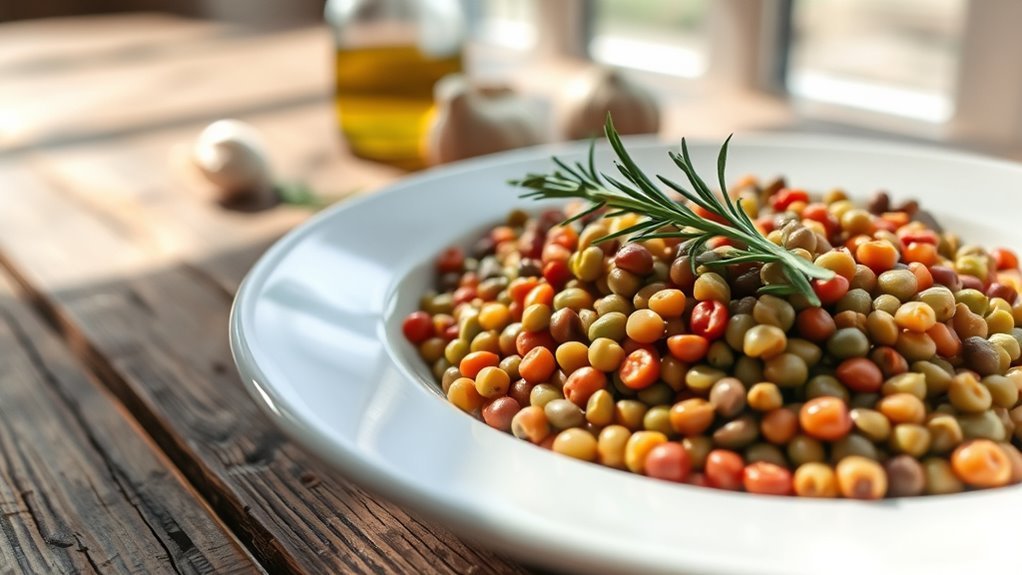
- Cooked Green Lentils: About 20 grams of carbs per cup.
- Cooked Red Lentils: Roughly 30 grams of carbs per cup.
- Cooked French Lentils: Approximately 18 grams of carbs per cup.
- Cooked Black Lentils: Around 24 grams of carbs per cup.
These figures highlight that although lentils are healthy carbohydrate sources rich in protein and fiber, their varieties differ in carbohydrate content. If you’re committed to a strict keto lifestyle, you might want to limit your lentil intake or explore alternative low-carb options.
Comparing Lentils to Other Legumes
When you compare lentils to other legumes, you’ll notice differences in their nutritional profiles, particularly in protein, fiber, and carbohydrate content. Understanding the glycemic index of these foods can also help you make informed choices, especially if you’re watching your blood sugar levels. By examining these factors, you can better appreciate how lentils stack up against their legume counterparts.
Nutritional Profile Comparison
While many consider lentils a staple in plant-based diets, comparing their nutritional profile to other legumes reveals important distinctions. Lentils are known for their high nutrient density and dietary fiber, but how do they stack up against other options?
- Chickpeas: Similar in fiber content, but higher in carbohydrates, making them less keto-friendly.
- Black Beans: Rich in protein, but also higher in carbs, which can impact your keto goals.
- Pinto Beans: Great fiber source, yet, like black beans, they come with increased carbohydrates.
- Peas: Offer a good protein punch but contain more sugars than lentils.
Understanding these differences can help you make informed decisions about incorporating legumes into your diet while respecting your keto lifestyle.
Glycemic Index Insights
Examining the glycemic index (GI) of lentils reveals significant insights that can influence your dietary choices, especially on a keto plan. Lentils have a low GI, typically ranging from 21 to 29, meaning they have a minimal glycemic impact on your blood sugar. This is quite favorable compared to many other legumes, which often have higher GIs and can spike your blood sugar levels more dramatically. For instance, chickpeas and kidney beans can have GI values up to 40 or more. By choosing lentils, you can enjoy a protein-rich legume without as much worry about blood sugar fluctuations. Ultimately, if you’re looking to maintain stable energy levels while on keto, lentils can be a smart addition to your meals.
How to Incorporate Lentils in a Low-Carb Diet
If you’re looking to incorporate lentils into a low-carb diet, it’s important to understand how they fit into your overall macronutrient goals. Here are some strategies for meal planning with lentils:
- Portion Control: Use small servings to manage carb intake while still enjoying lentils.
- Pair Wisely: Combine lentils with low-carb vegetables to create balanced meals.
- Explore Lentil Recipes: Experiment with soups, stews, or salads that highlight lentils without overwhelming your carb count.
- Monitor Your Macros: Keep track of your daily intake to guarantee lentils fit within your desired carbohydrate limits.
Alternatives to Lentils for a Keto Lifestyle
Finding suitable alternatives to lentils can be essential for maintaining a keto lifestyle, especially since lentils can be higher in carbohydrates than you’d like. Luckily, there are plenty of keto substitutes that can fit seamlessly into your meal plan. Consider using cauliflower rice or zucchini noodles as low carb options that can mimic the texture of lentils in various dishes. Additionally, mushrooms provide a hearty, meaty alternative and are low in carbs. If you’re looking for protein, chickpeas are a no-go, but hemp seeds or walnuts can elevate your meals without sacrificing your carb count. Exploring these choices allows you to enjoy your favorite recipes while staying true to your keto goals, giving you the freedom to savor every bite.
Frequently Asked Questions
Can I Eat Lentils on a Strict Keto Diet?
You can’t eat lentils on a strict keto diet if you want to stay in ketosis. While they’re packed with nutritional benefits like protein and fiber, their carbohydrate content can hinder your goals. Think of keto alternatives like cauliflower or zucchini, which offer similar textures without the carbs. Balance is key; enjoy lentils in moderation if you’re not strict, but to truly embrace the freedom of keto, stick to low-carb options.
How Do Lentils Affect Ketosis?
Lentils can impact ketosis due to their carbohydrate content. While they’re rich in protein and fiber, a typical serving of lentils contains about 20 grams of carbs, which might exceed your daily allowance on a strict keto diet. If you’re aiming for ketosis, it’s essential to monitor your intake. Balancing lentils with low-carb vegetables could help maintain your goals while still enjoying their nutritional benefits. Always consider your individual dietary needs for the best results.
What Are the Best Lentil Varieties for Keto?
When it comes to lentils, red and green varieties are your best bets for a keto-friendly diet. Curiously, a 100-gram serving of red lentils contains about 20 grams of carbs, while green lentils offer around 18 grams. A lentil nutrition analysis shows that while they’re nutritious, they may not fit perfectly into strict keto plans. You’ll want to monitor your portion sizes to stay within your carb limits and enjoy their benefits!
Are Lentils High in Fiber and Protein?
Yes, lentils are high in both fiber and protein. They offer significant nutritional benefits, making them a great addition to your diet. With about 18 grams of protein and 15 grams of fiber per cooked cup, they provide health advantages like improved digestion and sustained energy. Including lentils in your meals can help you feel full longer, supporting your overall wellness while enjoying a variety of flavors and textures.
Can I Combine Lentils With Keto-Friendly Foods?
You can definitely combine lentils with keto-friendly foods, but it requires a bit of strategy. Picture a hearty lentil stew simmering alongside zoodles or cauliflower rice. These lentil recipes can be delicious, but keep an eye on portion sizes to stay in ketosis. Consider swapping out higher-carb ingredients for keto alternatives like avocado or leafy greens. This way, you can enjoy the nutritional benefits of lentils without compromising your keto goals.
Frequently Asked Questions
1. Are lentils considered keto-friendly?
Lentils are not typically considered keto-friendly because they are relatively high in carbohydrates compared to the strict limits of a ketogenic diet. A one-cup serving of cooked lentils contains approximately 40 grams of carbohydrates, which may exceed the daily carb intake for those following a strict ketogenic diet, typically limited to around 20-50 grams per day. However, they can be included in moderation for those on a more liberal low-carb diet.
2. What is the carbohydrate content of lentils?
One cup of cooked lentils contains about 40 grams of carbohydrates, with around 16 grams of fiber. The net carbs, which are the total carbs minus fiber, would be approximately 24 grams. This higher carb content is why many ketogenic diets discourage the consumption of lentils, as they can hinder ketosis.
3. Can lentils fit into a low-carb diet?
Yes, lentils can fit into a low-carb diet if consumed in moderation. While they are not suitable for strict ketogenic diets, those following a more flexible low-carb approach may enjoy small portions of lentils as part of a balanced meal. It’s essential to monitor your overall carbohydrate intake and adjust portion sizes accordingly to maintain your dietary goals.
4. What are the health benefits of lentils?
Lentils are packed with nutrients and offer several health benefits. They are an excellent source of protein, fiber, vitamins, and minerals. The fiber in lentils aids in digestion and can help regulate blood sugar levels. Additionally, they are rich in folate, iron, and potassium, contributing to heart health and overall well-being. Including lentils in your diet can promote satiety and support healthy weight management.
5. Are there any alternatives to lentils for keto diets?
Yes, there are several alternatives to lentils that are more suitable for a ketogenic diet. Some popular options include cauliflower, zucchini, and mushrooms, which can be used to create low-carb dishes. Additionally, legumes like black soybeans or green beans are lower in carbs and can be used sparingly. Always check the nutritional information to ensure they fit within your daily carb limits.
References
- https://www.healthline.com/nutrition/keto-diet-foods#keto-friendly-foods
- https://www.ncbi.nlm.nih.gov/pmc/articles/PMC6520670/
- https://www.webmd.com/diet/obesity/what-is-a-ketogenic-diet
- https://www.washingtonpost.com/food/2020/07/30/keto-diet-foods/
- https://www.eatright.org/health/wellness/healthy-eating/keto-diet-facts
- https://www.diabetes.org/nutrition/healthy-foods/keto-diet
- https://www.mayoclinic.org/healthy-lifestyle/nutrition-and-healthy-eating/in-depth/keto-diet/art-20460154