Beetroot can fit into a keto diet, but you’ll need to be cautious with portion sizes due to its higher carbohydrate content. With about 9.6g of net carbs per 100g, it’s important to monitor your intake to maintain ketosis. Despite this, beetroot offers several health benefits, like antioxidants and improved blood flow. By understanding how to incorporate it properly, you can enjoy its nutritional perks without exceeding your carb limits. Curious about how to do this effectively?
Nutritional Profile of Beetroot
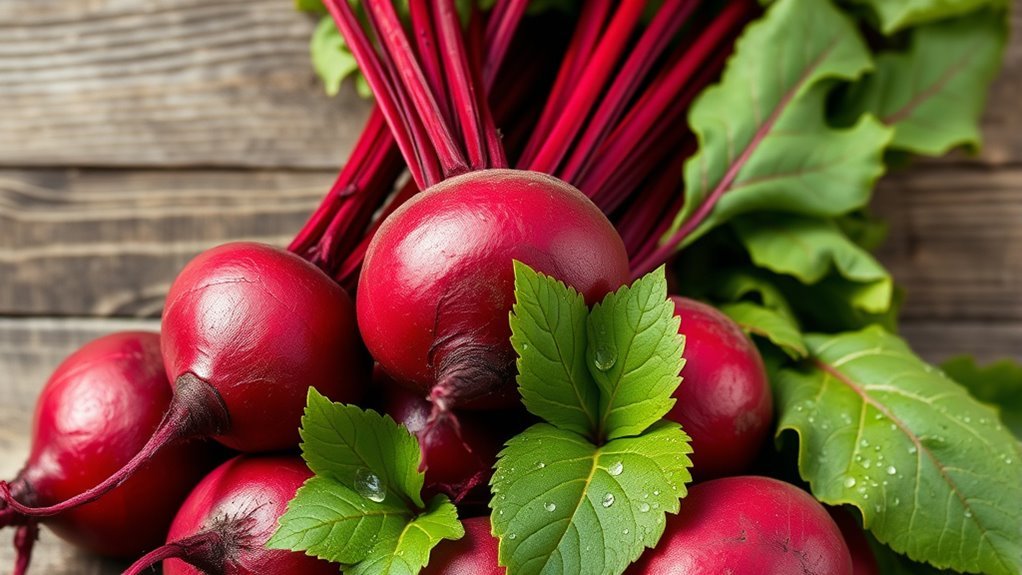
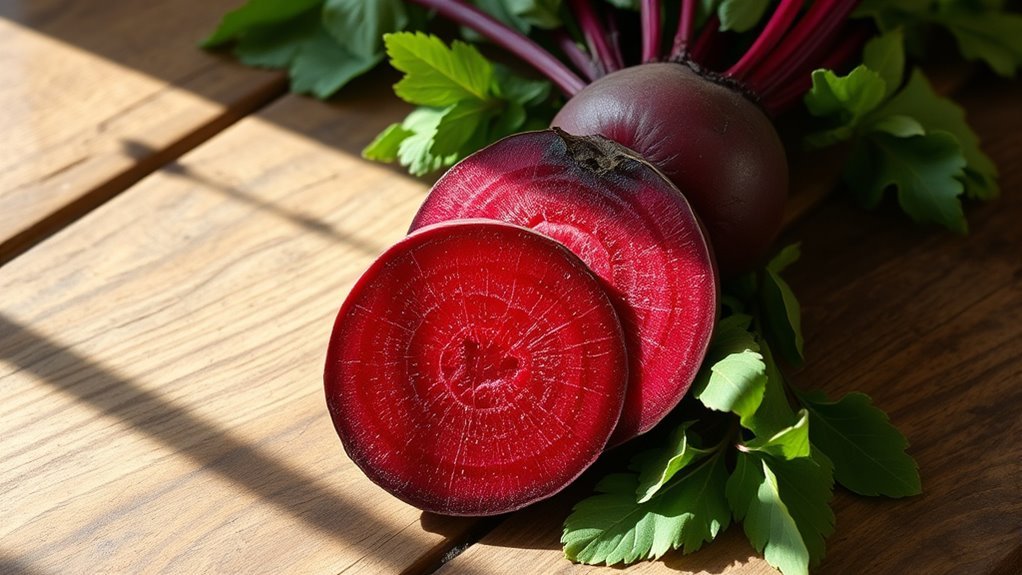
Beetroot, often hailed for its vibrant color and health benefits, boasts a rich nutritional profile that can be surprising. This root vegetable is low in calories yet packed with essential nutrients, including vitamins A, C, and several B vitamins, alongside minerals like potassium and magnesium. You’ll find various beetroot varieties, each offering unique flavors and textures, from the classic red to golden and striped options. Incorporating beetroot into your diet can be simple through a variety of beetroot recipes, whether you’re roasting, juicing, or blending it into smoothies. The fiber content supports digestive health, while antioxidants in beetroot may aid in reducing inflammation. Overall, beetroot is a versatile, nutritious option for those looking to enhance their meals.
Carbohydrate Content and Ketosis
While many vegetables are typically encouraged on a keto diet due to their low carbohydrate content, beetroot presents a unique challenge. Its carbohydrate breakdown shows that it contains more sugars than other low-carb veggies, which can hinder ketosis maintenance.
Here’s a quick comparison of beetroot’s carb content with other vegetables:
| Vegetable | Net Carbs (per 100g) |
|---|---|
| Beetroot | 9.6g |
| Spinach | 1.4g |
| Zucchini | 3.1g |
| Broccoli | 4.0g |
| Cauliflower | 2.0g |
Incorporating beetroot may require careful portion control to avoid exceeding your daily carb limit and disrupting your state of ketosis. Understanding its carbohydrate content is essential for maintaining a successful keto lifestyle.
Health Benefits of Beetroot
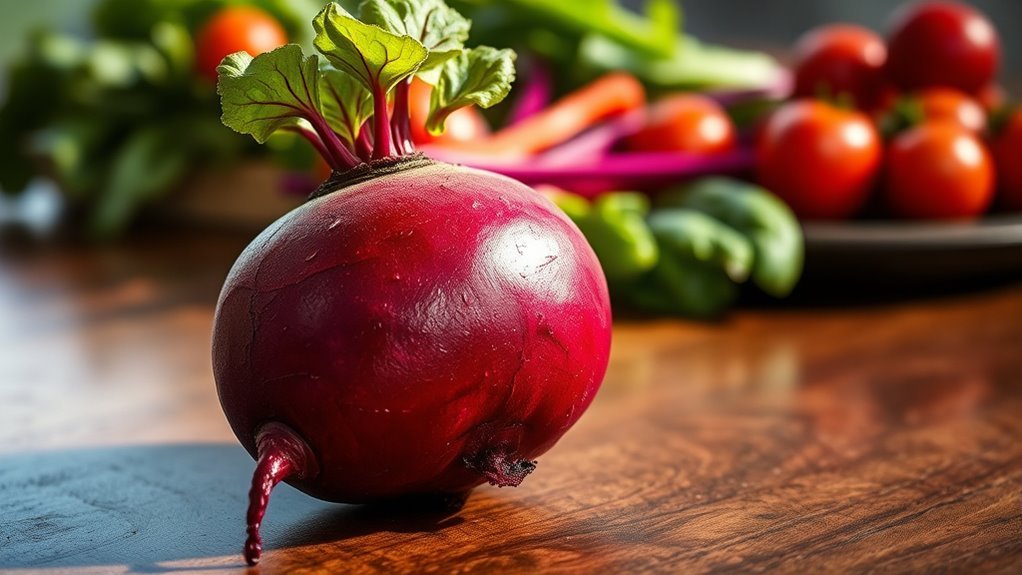
Although you may need to monitor your intake carefully on a keto diet, beetroot offers several notable health benefits that can be appealing. One key advantage is its high content of beetroot antioxidants, which help combat oxidative stress in the body. These compounds can support overall health and may reduce the risk of chronic diseases. Additionally, beetroot is known for its potential to alleviate beetroot inflammation, which can be beneficial for muscle recovery and joint health. By incorporating beetroot into your diet, you’re also supporting cardiovascular health due to its ability to improve blood flow and lower blood pressure. While keeping an eye on carbs, these health benefits make beetroot a worthy consideration for your nutritional choices.
Ways to Incorporate Beetroot Into a Keto Diet
When you’re looking to incorporate beetroot into a keto diet, it helps to get creative with how you use this vibrant vegetable. Start by exploring various beetroot recipes; you can roast them for a sweet, earthy flavor or spiralize them into salads for a crunchy texture. For a quick option, consider beetroot chips as a satisfying keto snack—just slice, season, and bake until crispy. You can also juice beetroot and mix it into smoothies, balancing the natural sweetness with low-carb ingredients like spinach or avocado. Finally, try adding grated beetroot to meat dishes or egg-based recipes for added color and nutrients. Embracing these ideas allows you to enjoy beetroot while sticking to your keto lifestyle.
Final Thoughts on Beetroot and Keto
As you consider the role of beetroot in a keto diet, it is essential to weigh both its benefits and potential drawbacks. While beetroot can add color and nutrients, its higher carb content may not align with strict keto guidelines. Here are some points to ponder:
Weigh the benefits of beetroot against its higher carb content when considering it for a keto diet.
- Nutritional Value: Beetroot is rich in vitamins and minerals, but it also contains sugar.
- Portion Control: If you enjoy beetroot, consider small servings to manage carb intake.
- Beetroot Alternatives: Look into keto-friendly vegetables like spinach, zucchini, or cauliflower for lower carb options.
- Balance: Integrate beetroot with other low-carb foods to maintain a balanced keto diet.
Ultimately, it’s about finding what works for you while enjoying the freedom of your dietary choices.
Frequently Asked Questions
Can Beetroot Be Consumed Raw on a Keto Diet?
Yes, you can consume beetroot raw on a keto diet. Raw preparation maintains its nutritional benefits, including vitamins, minerals, and antioxidants. While beetroot does contain carbs, its fiber content can help mitigate blood sugar spikes. Just be mindful of portion sizes to stay within your carb limits. Incorporating raw beetroot in salads or smoothies can add flavor and nutrients while keeping your diet diverse and enjoyable.
Does Cooking Beetroot Affect Its Carb Content?
You know what they say: “You can’t have your cake and eat it too.” When it comes to cooking beetroot, the method you choose can impact its nutritional values, but it won’t greatly alter its carb content. Boiling or steaming may retain more nutrients compared to roasting, which could lead to some loss. Overall, cooked beetroot still provides a healthy dose of fiber and vitamins, making it a versatile option in your diet.
Are There Any Keto-Friendly Beetroot Recipes?
Yes, there are keto-friendly beetroot recipes you can enjoy! A delicious option is a keto beetroot salad, combining roasted beetroot with leafy greens, avocado, and a tangy vinaigrette. Alternatively, you can make roasted beetroot chips by slicing beetroots thinly, tossing them in olive oil, and baking until crispy. Both recipes allow you to savor beetroot while keeping your carb intake in check, providing a satisfying and nutritious addition to your keto meals.
Is Beetroot Juice Suitable for a Keto Lifestyle?
Beetroot juice isn’t typically considered suitable for a keto lifestyle due to its higher carbohydrate content. While it offers beetroot benefits like improved blood flow and lower blood pressure, you might want to explore juice alternatives that are lower in carbs, such as cucumber or celery juice. These alternatives can provide hydration and nutrients without compromising your keto goals, allowing you the freedom to enjoy flavors while sticking to your dietary preferences.
How Does Beetroot Impact Blood Sugar Levels?
“You are what you eat.” Beetroot has a medium glycemic index, meaning it can cause a moderate rise in blood sugar levels. However, its fiber content helps slow this process, reducing the insulin response. For you, this means that while beetroot may affect blood sugar, it does so in a balanced way when consumed in moderation. If you’re mindful of your overall diet, you can enjoy beetroot without compromising your health.
Is beetroot keto-friendly?
Beetroot can be included in a ketogenic diet, but moderation is key. While it is low in calories, beetroot does contain carbohydrates, primarily in the form of natural sugars. A typical serving of beetroot (about 100g) contains around 9 grams of carbohydrates, which can take up a significant portion of your daily carb allowance on a strict keto diet. If you can fit it into your macros, it can be enjoyed, but it’s important to monitor your overall carbohydrate intake.
What are the nutritional benefits of beetroot on a keto diet?
Beetroot is rich in essential nutrients, including folate, manganese, potassium, and vitamin C, which can be beneficial even on a keto diet. Its high antioxidant content may help reduce inflammation and improve heart health. Additionally, beetroot is a source of nitrates, which can enhance exercise performance and endurance. Including small amounts of beetroot can add variety and nutritional value to your meals.
How can I incorporate beetroot into my keto meals?
You can incorporate beetroot into your keto meals in several delicious ways. Try roasting or steaming beetroot and adding it to salads or as a side dish. You can also use it to make a low-carb beetroot hummus by blending cooked beetroot with tahini and olive oil. Additionally, beetroot can be juiced or blended into smoothies, but be mindful of the carbohydrate content when doing so.
Are there any potential drawbacks to eating beetroot on a keto diet?
One potential drawback of consuming beetroot on a keto diet is its carbohydrate content, which may hinder achieving or maintaining ketosis if consumed in large quantities. Additionally, some individuals may experience digestive issues, such as bloating or gas, due to the high fiber content of beetroot. It’s essential to listen to your body and adjust your intake accordingly to find a balance that works for you.
Can I eat pickled beetroot on a keto diet?
Pickled beetroot can be consumed on a keto diet, but you should check the label for added sugars or preservatives, which can increase the carb content. Homemade pickled beetroot can be a healthier option, allowing you to control the ingredients. Just like with fresh beetroot, moderation is essential to ensure you stay within your carbohydrate limits while still enjoying the tangy flavor that pickled beetroot offers.
References
- https://www.ncbi.nlm.nih.gov/pmc/articles/PMC5537857/
- https://www.healthline.com/nutrition/beetroot-keto
- https://www.webmd.com/diet/obesity/what-is-the-ketogenic-diet
- https://www.medicalnewstoday.com/articles/327166
- https://www.ncbi.nlm.nih.gov/pmc/articles/PMC5015032/
- https://www.bbcgoodfood.com/howto/guide/keto-diet-what-you-need-know
- https://www.health.harvard.edu/staying-healthy/the-ketogenic-diet-a-diet-for-the-ages
- https://www.livescience.com/52756-ketogenic-diet.html