

Keto dieters must avoid high-carb foods, which include sugary items, grains, and most fruits. Understanding these restrictions is crucial for maintaining ketosis and achieving your health goals. A ketogenic diet emphasizes low carbohydrate intake to promote fat burning as the primary energy source. In this article, we’ll delve into the specific categories of foods you should steer clear of while following a ketogenic diet, ensuring you have all the necessary tools to succeed in your dietary journey.
Sugary Foods and Sweets

One of the most significant components to eliminate from a ketogenic diet is sugary foods and sweets. All forms of sugar, including table sugar, honey, and syrups, are high in carbohydrates and can rapidly derail your efforts to maintain ketosis. This includes not just obvious sources like granulated sugar but also agave syrup and maple syrup, which are often mistakenly viewed as healthier alternatives.
Desserts such as cakes, cookies, and ice creams are also off-limits due to their high sugar content. A typical slice of cake can contain upwards of 30 grams of carbs, which can exceed or consume the daily carb allowance for many keto dieters. Instead, consider utilizing sugar substitutes like erythritol or stevia in moderation, which can provide sweetness without the carb load, allowing you to enjoy treats while staying in line with your diet.
Grains and Starches
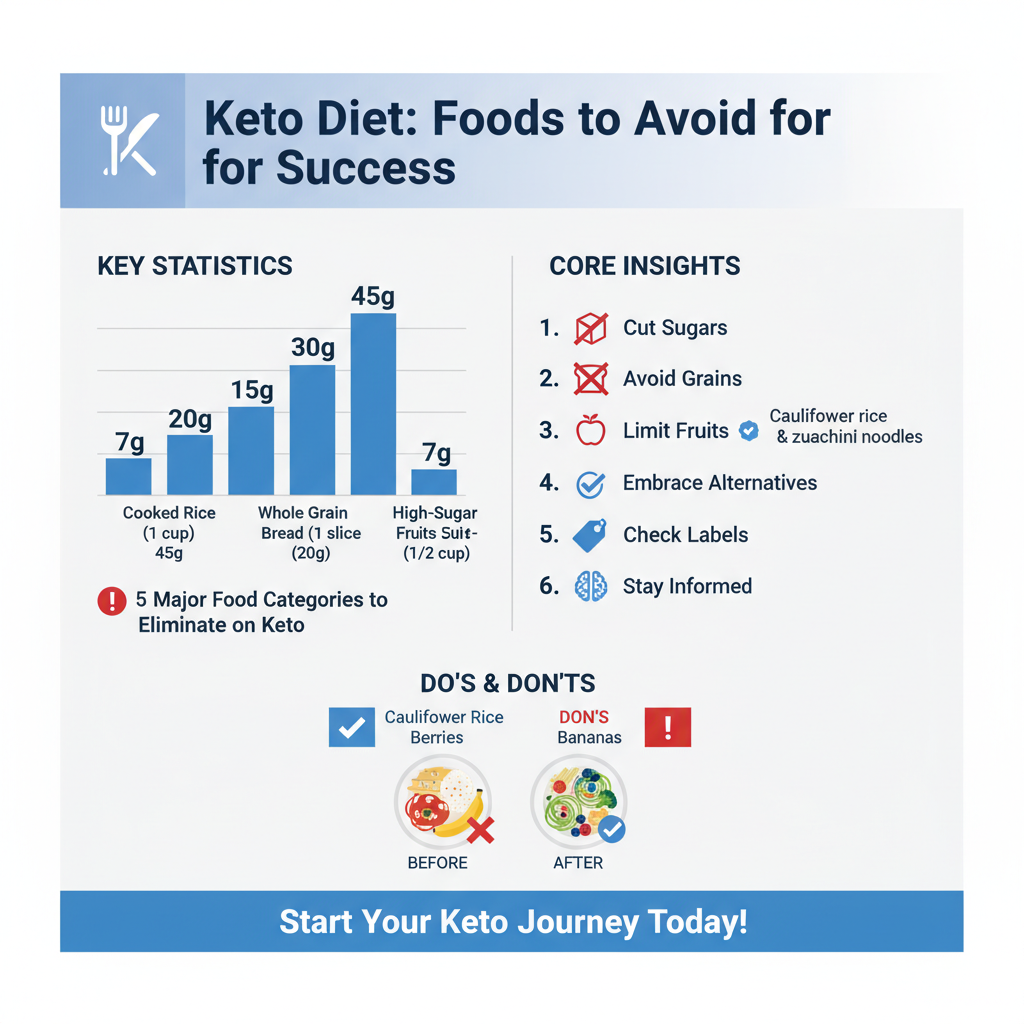
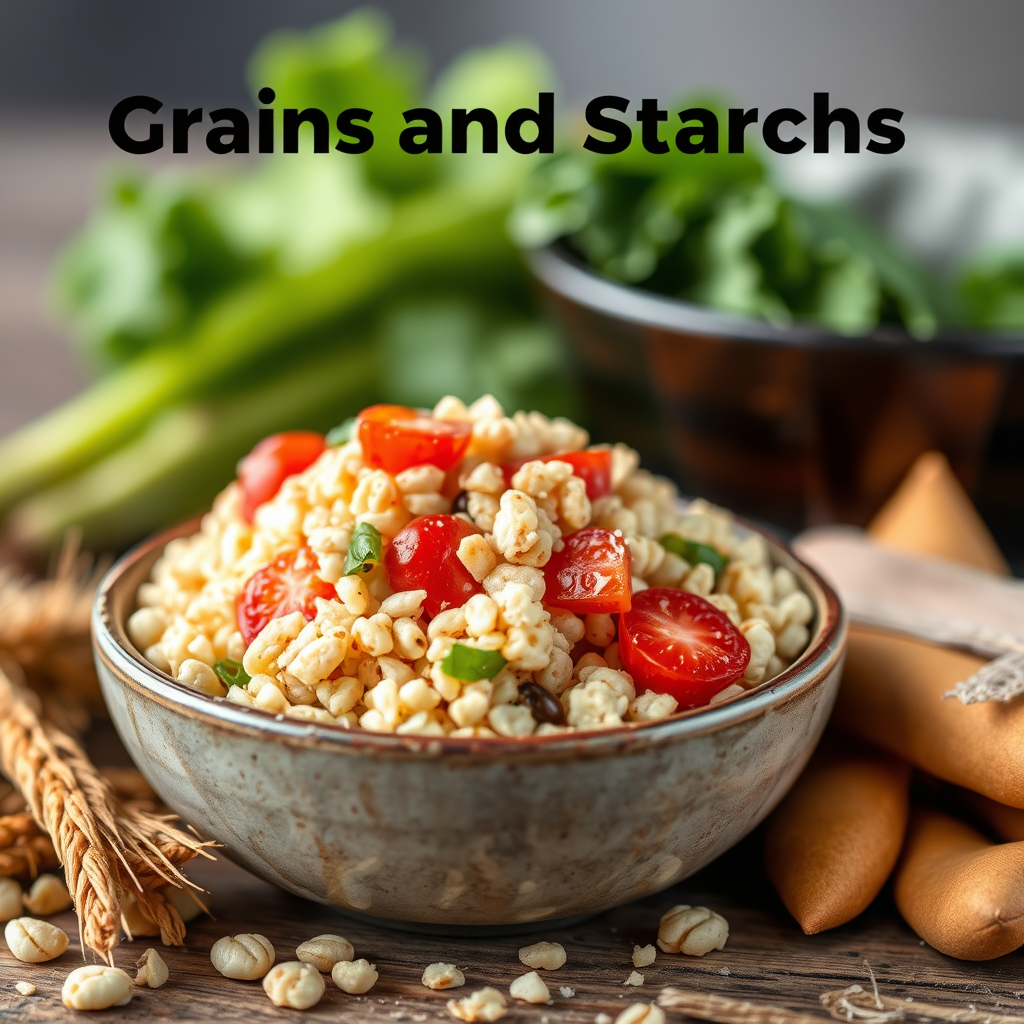
Grains are another major category to be avoided on a ketogenic diet. Foods such as bread, pasta, rice, and cereals contain high levels of carbohydrates that disrupt ketosis. For instance, just one cup of cooked rice can contain approximately 45 grams of carbohydrates, far exceeding the daily carb limit for most keto practitioners.
Whole grains, though often marketed as healthier options, still contain enough carbs to be problematic. Even whole grain bread has around 15 grams of carbs per slice, making it unsuitable for a strict keto plan. Instead, consider alternatives like cauliflower rice or zucchini noodles, which not only satisfy cravings for grain-based dishes but also keep your carb intake low.
Most Fruits
Fruits are often viewed as healthful components of a balanced diet, but on a ketogenic diet, most fruits should be avoided due to their high sugar content. High-sugar fruits like bananas, apples, and grapes are particularly problematic, as they can contain 20 grams of carbs or more per serving.
While berries can be eaten in moderation, they should still be consumed with caution. For example, a half-cup of raspberries contains about 7 grams of carbs, making them a more favorable option. Focus on lower-carb fruits, such as avocados and olives, which provide healthy fats and fiber without derailing your ketosis.
Legumes and Pulses
Legumes and pulses, which include beans, lentils, and chickpeas, are rich in carbohydrates and should not be included in a keto meal plan. While these foods are often celebrated for their high protein and fiber content, they are not compatible with the low-carb requirement of the ketogenic diet. A single cup of cooked lentils can contain over 35 grams of carbohydrates, making it a significant source of carbs that can prevent you from achieving and maintaining ketosis.
If you’re looking for protein sources on a keto diet, consider options like eggs, fish, and meat, which provide necessary nutrients without the high carb counts associated with legumes.
Starchy Vegetables
Starchy vegetables such as potatoes, corn, and peas are high in carbohydrates and should be replaced with lower-carb alternatives. For instance, a medium-sized potato can contain approximately 37 grams of carbohydrates, making it a poor choice for those adhering to a ketogenic lifestyle.
Instead, focus on incorporating leafy greens and non-starchy vegetables like broccoli, cauliflower, and spinach into your meals. These options not only provide essential vitamins and minerals but also offer fiber that aids digestion. Cauliflower, for example, can serve as a versatile substitute for mashed potatoes, allowing you to enjoy comfort foods without the excessive carbs.
Processed Foods
Processed foods often contain hidden sugars and unhealthy additives that are not keto-friendly. Many items labeled as “low-fat” or “sugar-free” may still be high in carbohydrates, leading to unexpected spikes in your daily intake. It’s essential to read labels carefully to avoid unexpectedly high-carb items in packaged foods.
For example, some salad dressings contain added sugars that can quickly add up. Opting for whole, unprocessed foods is a more reliable way to maintain control over your carb intake. Cooking at home and using fresh ingredients allows you to create meals tailored to your dietary needs without unwanted additives.
Alcohol and Sugary Drinks
Alcoholic beverages and sugary drinks can be deceptive in their carb content. Beer and sweetened beverages are often packed with carbs and should be avoided on a ketogenic diet. A standard beer can have anywhere from 10 to 20 grams of carbohydrates, while sweetened beverages, including sodas and fruit juices, can contain even more.
Instead, opt for low-carb options such as dry wines, spirits, or cocktails mixed with soda water. These alternatives typically contain less than 5 grams of carbs per serving and can allow you to enjoy a social drink without compromising your dietary goals. Always be mindful of mixers, as they can dramatically increase the carb content of your drink.
Maintaining a keto diet requires careful attention to the foods you consume. By avoiding sugary foods, grains, most fruits, legumes, starchy vegetables, processed foods, and certain alcoholic beverages, you can stay on track with your ketogenic lifestyle. Remember, always consider the carb content of your meals to ensure you remain in ketosis and achieve your dietary goals. Understanding which foods to avoid is integral to your success on this diet, empowering you to make informed choices and foster a sustainable, healthful lifestyle.
Frequently Asked Questions
What foods should I avoid on a keto diet?
On a keto diet, it’s essential to avoid high-carb foods that can hinder ketosis, the state your body enters when it primarily burns fat for energy. This includes sugary foods like candies, desserts, and sweetened beverages, as well as grains such as bread, pasta, rice, and cereals. Starchy vegetables like potatoes, corn, and peas, as well as most fruits (except for small portions of berries), should also be limited to maintain low carbohydrate intake.
How can I satisfy my sweet tooth on keto without breaking my diet?
If you’re craving something sweet while on a keto diet, consider using keto-friendly sweeteners such as stevia, erythritol, or monk fruit, which have minimal impact on blood sugar levels. You can also indulge in low-carb desserts made with almond flour or coconut flour, and incorporate small amounts of berries, which are lower in carbs compared to other fruits. This way, you can enjoy treats without exceeding your daily carbohydrate limit.
Why is it important to avoid processed foods on a keto diet?
Avoiding processed foods on a keto diet is crucial because many of these items are high in hidden sugars, unhealthy fats, and refined carbohydrates that can disrupt ketosis. Processed foods often contain additives and preservatives that can lead to cravings and overconsumption, making it harder to stick to your diet. By focusing on whole, unprocessed foods like meats, vegetables, and healthy fats, you can better control your carb intake and support your overall health.
Which beverages are not keto-friendly?
Many popular beverages should be avoided on a keto diet due to their high sugar content and carbohydrates. This includes sodas, sweetened teas, fruit juices, and most alcoholic drinks like beer and sugary cocktails. Instead, opt for unsweetened beverages such as water, black coffee, or herbal teas to stay hydrated while remaining within your carbohydrate limits.
What are the best alternatives to high-carb snacks on keto?
When looking for keto-friendly snack alternatives, consider options like nuts and seeds, cheese, hard-boiled eggs, and sliced vegetables with low-carb dips such as guacamole or cream cheese. Other great choices include beef jerky (watch for added sugars), pork rinds, and keto bars made with low-carb ingredients. These snacks can help satisfy your hunger without compromising your daily carb intake, making your keto journey more enjoyable and sustainable.