

The keto diet requires strict limitations on carbohydrate intake, making it crucial to understand which foods to avoid. Key categories include high-carb foods, sugary items, and certain grains. In this article, you will learn about the specific foods that can disrupt your ketogenic lifestyle and how to make better choices to maintain your health goals effectively.
High-Carbohydrate Foods

High-carbohydrate foods are the primary culprits that can derail your ketogenic journey. Among the most notorious offenders are bread and pasta, which are staples in many diets but are laden with carbs. A standard serving of white pasta can contain over 40 grams of carbohydrates, easily exceeding the daily limit for those on a keto diet, which typically caps at around 20-50 grams of net carbs. Instead of these traditional sources, consider using alternatives such as zucchini noodles or cauliflower rice, which provide the same texture without the carbohydrate load.
Rice and grains, including quinoa, barley, and oats, also fall into this category. These foods are high in starch content, which can lead to increased blood sugar levels and ultimately kick you out of ketosis. For a satisfying grain-free option, you might explore shirataki rice or other low-carb substitutes that can keep your meals hearty without compromising your keto goals.
Sugary Foods and Beverages
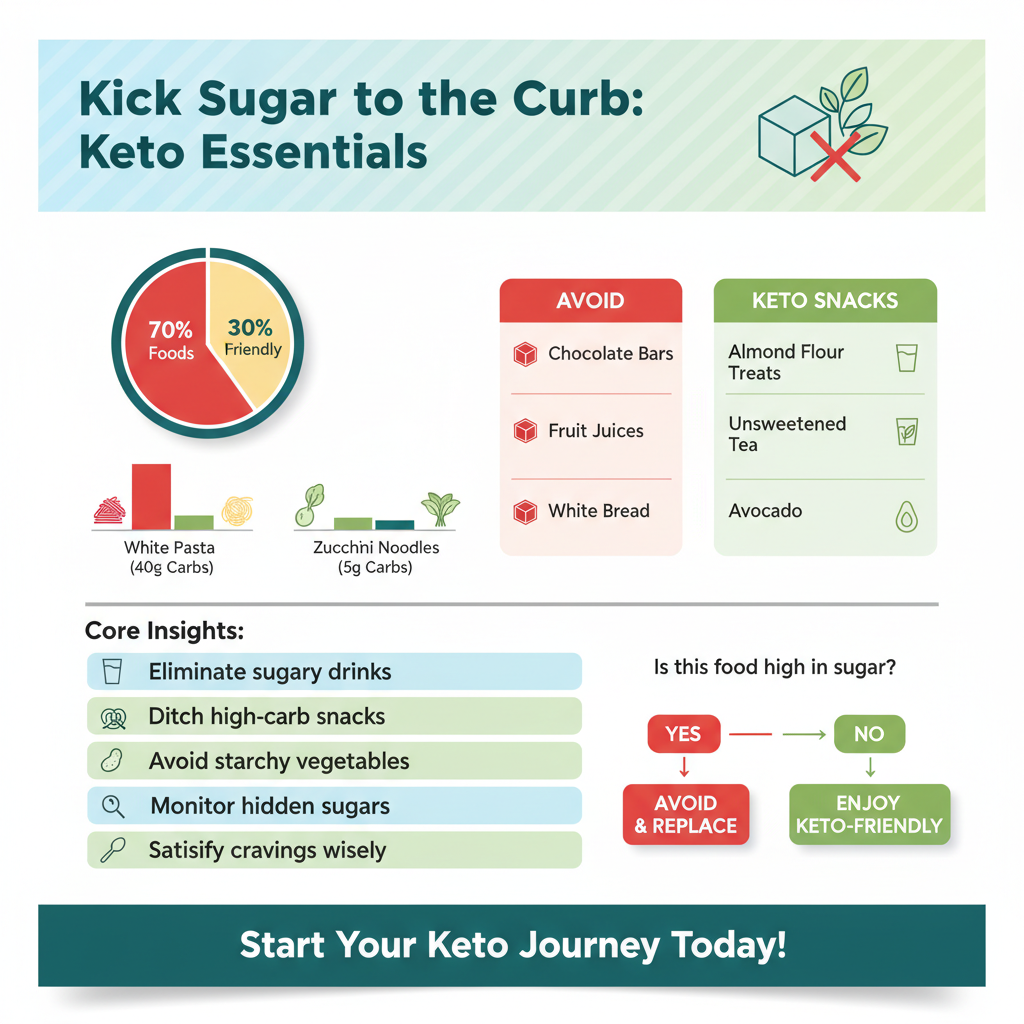
Sugary foods and beverages are an obvious category to avoid on a ketogenic diet. Sweets and candies, including chocolate bars and pastries, typically contain high levels of sugar and refined carbohydrates. For example, a single chocolate bar can have up to 30 grams of sugar, which is more than your entire carbohydrate allowance for the day. Instead, consider satisfying your sweet tooth with keto-friendly desserts made from almond flour, coconut flour, or sugar substitutes like erythritol or stevia.
Sugary drinks are another significant pitfall. Soft drinks, fruit juices, and sweetened beverages are often laden with high fructose corn syrup and cane sugar, leading to rapid spikes in insulin and blood sugar. Opt for water, unsweetened iced tea, or black coffee to stay hydrated without the added sugars. These alternatives not only help maintain low-carb levels but also support overall health.
Starchy Vegetables
While vegetables are a vital component of a balanced diet, certain starchy varieties can hinder your progress on the keto diet. Potatoes and corn are two prime examples that should be avoided due to their high carbohydrate content. A medium potato can contain upwards of 30 grams of carbohydrates, making it a poor choice for keto dieters. Instead, incorporate low-carb vegetables like spinach, broccoli, and zucchini, which provide essential nutrients without the excess carbs.
Carrots and peas, while often considered healthy, can also contribute to higher carbohydrate consumption than you might realize. For instance, a cup of cooked peas contains about 25 grams of carbs. If you’re looking for crunchy options, consider bell peppers or cucumbers, which are lower in carbohydrates and can add variety to your meals.
Certain Fruits
Fruits are generally nutritious, but certain types can significantly impact your ketosis. Bananas and grapes are particularly high in sugar, with a medium banana containing around 27 grams of carbohydrates. These fruits can easily push you over your daily carb limit. Instead, focus on berries, such as raspberries and blackberries, which are lower in sugar and can fit into your keto diet in moderation.
Apples and oranges, though healthy choices in a standard diet, are also relatively high in sugar. An average apple can contain around 25 grams of carbohydrates, making it less than ideal for those adhering to a strict keto regimen. If you crave fruit, consider incorporating small portions of avocado or olives, which are not only low in carbs but also high in healthy fats.
Processed Foods and Snacks
Processed foods and snacks often contain hidden sugars and carbohydrates that can sabotage your keto efforts. Snack bars and chips typically boast health claims but can be loaded with sugars and carbs masked by appealing packaging. For example, many so-called “healthy” granola bars can contain upwards of 15 grams of sugar per serving. Instead, opt for whole foods like nuts, seeds, or cheese, which provide satiating fats and protein without unnecessary carbs.
Ready-to-eat meals are another area to scrutinize. Many convenience meals are high in preservatives and carbohydrates, designed for quick consumption at the cost of nutritional value. Always read labels carefully and consider meal prepping at home, where you can control the ingredients and ensure they align with your keto goals.
Low-Fat Products
Low-fat products may seem like a healthier choice, but they often contain added sugars to enhance flavor, making them unsuitable for a ketogenic diet. Low-fat yogurt, for instance, can contain significant amounts of sugar to compensate for the removed fat. A single serving can have more than 20 grams of sugar, undermining your efforts to stay in ketosis. Instead, choose full-fat dairy options like Greek yogurt or heavy cream, which are lower in carbs and provide essential fats.
Diet sodas, while low in calories, may contain artificial sweeteners that can affect your insulin response and potentially disrupt your ketosis. Research shows that these sweeteners can trigger cravings and lead to overeating. Therefore, it’s advisable to stick to naturally flavored sparkling water or herbal teas as a refreshing alternative without the risks associated with diet sodas.
Alcoholic Beverages
Alcoholic beverages can be challenging on a keto diet due to their varying carbohydrate content. Beer is particularly notorious for its high carbohydrate levels, with a single bottle containing up to 15 grams of carbs. For those committed to their keto lifestyle, it is best to avoid beer altogether.
Sweet wines and cocktails are also typically high in sugar, with many mixed drinks containing syrups and sugary mixers. Instead, consider choosing spirits like vodka, gin, or whiskey, which have virtually no carbohydrates, and mix them with soda water or serve them neat. When consuming alcohol, moderation is key to ensuring that you stay within your carbohydrate limits and maintain ketosis.Avoiding these foods is essential for maintaining ketosis and achieving your health goals on the keto diet. By focusing on low-carb alternatives and whole foods, you can enjoy a variety of delicious meals without sacrificing your keto lifestyle.
Making informed choices about what to eat is key to your success on the keto diet. By steering clear of these specific foods, you can better maintain your desired state of ketosis and work towards your health objectives. Consider keeping a food diary or using tracking apps to help monitor your intake and stay on track!
Frequently Asked Questions
What foods should I avoid on the keto diet?
On the keto diet, you should avoid high-carb foods that can hinder your ability to achieve ketosis. This includes grains like rice, wheat, and oats, as well as sugary foods such as candies, pastries, and sugary beverages. Additionally, starchy vegetables like potatoes and corn, along with most fruits (except for berries in moderation), should also be limited to maintain your low-carb intake.
Why can’t I eat fruits on the keto diet?
Most fruits are naturally high in sugars and carbohydrates, which can significantly impact your daily carb limit on the keto diet. While fruits like berries can be consumed in moderation due to their lower sugar content, most other fruits such as bananas, apples, and grapes should be avoided as they can quickly push you out of ketosis. Understanding the carbohydrate content in fruits is crucial for staying compliant with the keto guidelines.
How can I substitute high-carb foods while on the keto diet?
To successfully adhere to the keto diet, you can substitute high-carb foods with low-carb alternatives. For example, replace traditional pasta with zucchini noodles or spaghetti squash, and use cauliflower rice instead of regular rice. Additionally, consider almond flour or coconut flour as alternatives to wheat flour for baking, which allows you to enjoy a variety of dishes while keeping your carb intake low.
Which processed foods should I avoid on the keto diet?
Many processed foods should be avoided on the keto diet due to their hidden sugars and unhealthy carbohydrates. This includes items like bread, chips, and most snack foods that often contain refined grains and added sugars. Always read labels carefully and avoid products with high carbohydrate counts or ingredients that are not keto-friendly, such as maltodextrin and dextrose, to ensure you remain in ketosis.
What are the best low-carb snacks for the keto diet?
The best low-carb snacks for the keto diet include options that are high in healthy fats and low in carbohydrates. Some excellent choices are nuts (such as almonds and walnuts), cheese, boiled eggs, and avocado. You can also enjoy homemade keto-friendly fat bombs made with coconut oil or nut butter, which provide energy and help curb cravings without compromising your carb limits.
References
- 16 Foods to Avoid (or Limit) on the Keto Diet
- https://www.ncbi.nlm.nih.gov/pmc/articles/PMC6520981/
- https://www.webmd.com/diet/what-is-the-keto-diet
- https://www.verywellfit.com/keto-diet-foods-to-avoid-5110300
- https://www.cdc.gov/healthyweight/assessing/bmi/adult_bmi/english_bmi_calculator/bmi_calculator.html